

Learning that you might need a root canal can feel quite overwhelming at first. Lots of folks immediately think of pain or long procedures. But the good news is, modern dentistry has made great strides, smoothing out that experience. In Portland, residents depend on daily coffee from Stumptown or Coava, and lingering tooth sensitivity can escalate into a serious issue needing a root treatment. Many enjoy quick relief from tooth pain so they can return to their routines without discomfort. When tooth pain disrupts simple pleasures like coffee or a meal, understanding the procedure can help ease worries. In this blog, find out how root canal treatment can protect your tooth and prevent many future problems from arising.
What Actually Causes the Pain?
Most discomfort people associate with this procedure comes from the infection itself, not the treatment. When the inner pulp of a tooth becomes infected, pressure builds up. This leads to sensitivity, swelling, and sometimes sharp pain. The procedure removes that infection, which is why many patients feel relief afterward. Root canal pain usually refers to the discomfort before treatment. It is caused by infection and pressure inside the tooth.
What Happens During the Procedure?
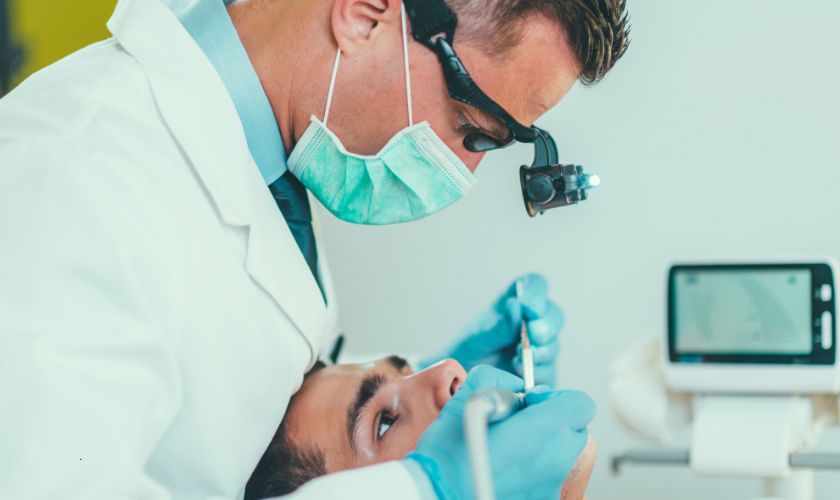
Here are the steps:
Numbing the Area: A sedation is applied to ensure comfort throughout the process.
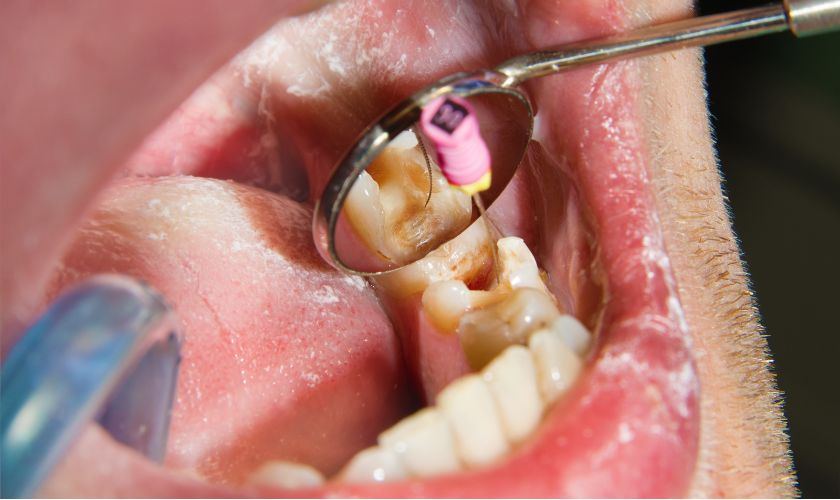
Removing the Infection: The damaged pulp is carefully removed to eliminate the source of pain.
Cleaning and Sealing: The inner canals are cleaned and sealed to prevent future infection.
Restoring the Tooth: The tooth is restored to maintain its function and strength.
How Long Does Recovery Take?
If your tooth hurts after root canal due to inflammation in the surrounding tissues, it is usually temporary and improves with time. Recovery is usually smooth and predictable. Most patients return to normal activities the same day. There may be slight tenderness when chewing for a few days. Avoiding hard foods initially can help. After a visit, many people look forward to simple comforts, like walking through places such as Washington Park or relaxing after a damp afternoon, without being distracted by tooth discomfort.
Does the Procedure Itself Hurt?
This is the most common concern. Thanks to local anesthesia and updated techniques, the procedure feels similar to getting a filling. The area is numbed before anything begins, so patients typically feel pressure rather than pain. Think of it as escaping the discomfort of a throbbing tooth just before heading out to enjoy food carts or local bites. Relief comes immediately once the source is treated.
Pain after root canal, like some mild soreness, can occur as the area heals. It typically reduces within a few days. Some soreness is normal after the treatment, but it is usually mild and temporary. This happens because the surrounding tissue may still be inflamed. However, this discomfort fades within a few days and is manageable with simple care. Common concerns patients have
Signs You May Need This Treatment
Recognizing symptoms early can help prevent pain from worsening. Here they are:
- Persistent toothache that does not go away
- Sensitivity to hot or cold that lingers
- Swelling around the gums
- Darkening of the tooth
- Pain when biting or chewing
These signs indicate that the inner portion of the tooth may be affected.
How Long Do Root Canals Hurt?
Most patients begin to experience an improvement in their symptoms within a few days after treatment. However, complete healing and full recovery may take a bit longer. The exact duration depends on the individual case, the severity of the condition, and how well the patient follows the recommended care plan. Root canal pain after 3 days may indicate delayed healing or bite pressure issues. A follow-up visit can help resolve it.
Why Avoiding Treatment Can Make Things Worse?
Ignoring the problem does not make it go away. Instead, the infection can spread, leading to more severe discomfort and complications. Delaying care may result in more extensive procedures later. Addressing it early helps preserve the natural tooth and reduces overall discomfort. Enjoying crunchy bites at places like Pine State Biscuits or food truck pods can become uncomfortable if an untreated tooth infection affects your bite.
Finding Relief from Tooth Pain with Us
A well-performed root canal treatment is designed to remove discomfort, not create it. Most patients feel relief shortly after the procedure and return to their daily routines quickly. Understanding what to expect helps reduce anxiety and builds confidence in the process.
For those dealing with persistent tooth pain, visiting our dental practice, City Dental, can provide clarity and effective care. If symptoms persist, book an appointment or call us at 503-765-7845 to discuss next steps.
Frequently Asked Questions
1. Can the procedure be completed in one visit?
In many cases, it can be completed in a single visit. However, some situations require more than one session. This depends on the severity of infection and the tooth’s condition. A proper evaluation helps determine the best approach.
2. Is it normal to feel pressure during the procedure?
Yes, feeling slight pressure is normal. The area is numbed, so sharp pain is not expected. Pressure occurs because tools are used inside the tooth. It is usually brief and manageable.
3. Can eating be done right after the procedure?
It is better to wait until the numbness wears off. Eating too soon may lead to accidental biting. Soft foods are recommended for the first day. This helps reduce irritation and supports healing.
4. Will the treated tooth function normally?
Yes, once restored, the tooth can function like any other. Proper care helps maintain its strength. Avoiding excessive pressure and maintaining hygiene supports long-term use without issues.
5. What should be avoided during recovery?
Hard, sticky, or crunchy foods should be avoided initially. These can put stress on the treated area. Maintaining gentle care during the first few days helps prevent unnecessary discomfort.
6. When should follow-up care be considered?
If discomfort continues beyond a few days or worsens, a follow-up is recommended. Regular checkups also help monitor healing. Early attention ensures the treated area stays healthy over time.