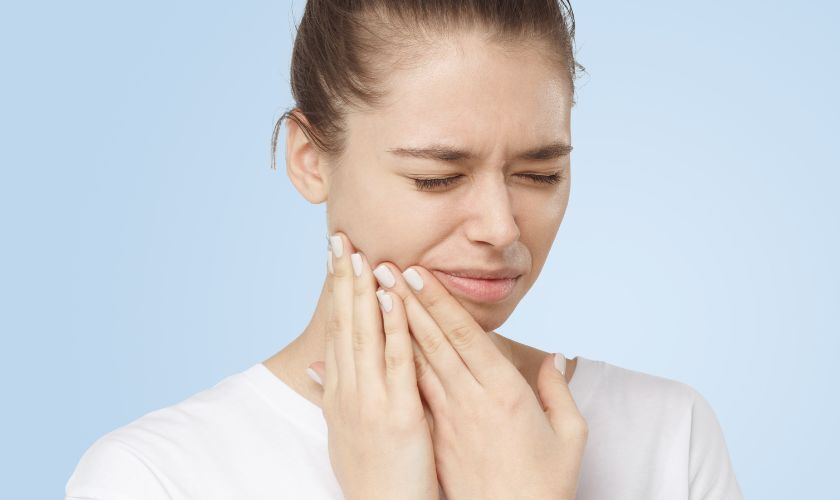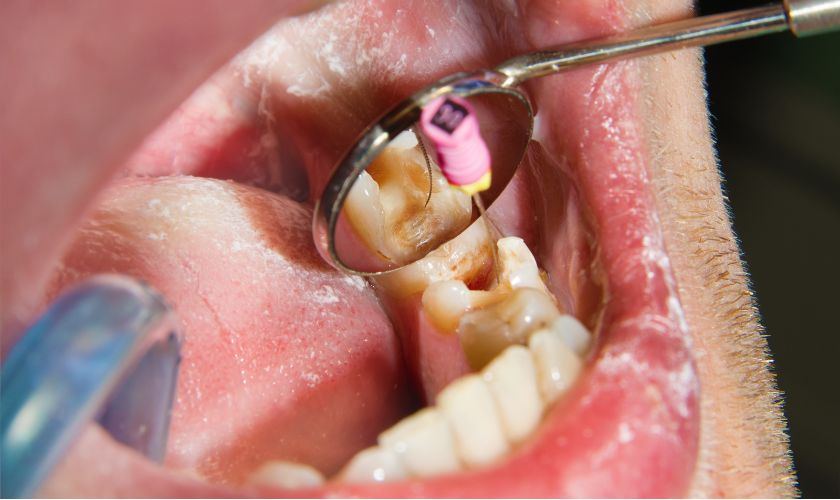



A treated tooth should feel better, not worse. Sometimes, though, some folks notice discomfort days or even weeks later. That can feel confusing and worrying, but remember, pain after treatment doesn’t always mean something’s gone wrong. It often indicates that healing is underway or that there’s a minor issue. Here in Portland, many patients find they experience sensitivity after enjoying a hot Stumptown coffee downtown. Temperature changes can sometimes bring out underlying inflammation. Knowing why discomfort happens can help you decide when it’s okay to wait and when it’s best to get in touch with your dentist.
Is Pain After a Root Canal Normal?
It’s completely normal to experience some short-term soreness afterward, as the surrounding tissue might still be inflamed. Biting pressure can sometimes trigger sensitivity, but gentle tenderness typically diminishes within a few days. However, if you experience severe or persistent pain, it’s important to get checked.
Delayed discomfort could be a sign of irritation or infection. Additionally, during the city’s chilly rainstorms, you might notice increased tooth pressure due to sinus pressure rising. Changes in seasonal weather can also sometimes heighten your dental sensations, but overall, these are usually temporary and manageable.
Common Reasons Pain Persists
Here are the reasons why you might still feel pain even after the treatment was done:
Inflammation Around the Tooth
The surrounding ligament may stay irritated. This happens if an infection existed before treatment. Healing tissues can stay sensitive for several days.
Hidden Canal Branches
Some teeth contain tiny branches. These may hold bacteria if missed. Persistent microbes can cause soreness.
Bite Misalignment
A treated tooth may sit slightly higher. Extra pressure during chewing causes discomfort. Adjustment often resolves this quickly.
Cracked Tooth Structure
Fractures sometimes appear after treatment. Cracks allow pressure inside the tooth. That pressure triggers pain when biting.
Delayed Infection
Sometimes, bacteria can come back unexpectedly. You might notice swelling, throbbing, or pus, and it’s important to seek prompt care to take good care of yourself.
Signs You Should Not Ignore
Here are the signs that indicate that you need professional guidance even after the treatment:
- Severe pain lasting longer than a week
- Swelling in the surrounding tissue
- Fever or general illness
- Pain when biting only
- Unusual discharge near the tooth
These symptoms suggest complications. Quick evaluation prevents worsening issues.
What Complications Can Happen After Treatment?
These are the complications:
- Lingering Infection: Residual bacteria may remain deep inside canals. This can cause tenderness and pressure.
- Surrounding Tissue Trauma: Nearby tissue sometimes becomes bruised during treatment. Healing usually resolves discomfort.
- Restoration Problems: A filling or crown may not seal fully. Bacteria can reenter. Correction restores comfort.
Why Does Pain Return Weeks Later?
Pain weeks later often surprises patients. Healing should already be complete. Delayed discomfort usually points to reinfection or structural issues. Patients leaving the Portland Rose Festival often notice chewing sensitivity when eating festival caramel apples. Sticky foods can reveal hidden bite problems. Late pain deserves an exam.
Treatments That May Help
If discomfort persists, an evaluation determines the cause. Options depend on diagnosis and may include:
- Bite adjustment
- Medication for inflammation
- Retreatment of the tooth
- Sedation dentistry for comfort during care
- Extraction if damage is severe
Only recommended procedures are performed. The goal is relief and long-term stability.
Should You Be Worried?
Not always. Mild soreness is normal early on. Pain should gradually decrease. Persistent or worsening discomfort needs evaluation. Sudden swelling requires urgent attention. Early care prevents serious complications. Many cyclists riding the Springwater Corridor notice throbbing from wind exposure. Cold air can irritate sensitive nerves.
How to Reduce Discomfort at Home?
Gentle care helps healing. Avoid chewing hard foods on the treated side. Maintain daily brushing and flossing. Take medications exactly as directed. Use warm saltwater rinses if advised. Contact a provider if pain increases.
Follow-ups confirm healing progress. Imaging checks internal health. Adjustments may be made if pressure exists. Monitoring prevents hidden problems from worsening. Regular exams protect treated teeth long-term.
Relief Starts With the Right Care
Don’t ignore persistent tooth pain; it’s important to get it checked out. At City Dental, we provide advanced diagnostics and a relaxed, comfortable environment. Call us today to book your appointment and take a step towards feeling better and more confident!
FAQs
1. Can a treated tooth become sensitive to weather changes?
Yes. Pressure shifts and temperature differences can stimulate nerves in healing tissues. Sensitivity often fades as inflammation decreases. Persistent discomfort should be evaluated to rule out underlying concerns.
2. Is it normal to feel pressure when chewing afterward?
Mild pressure can occur if the surrounding tissue is still healing. This should improve gradually. If chewing pain worsens or continues beyond several days, an adjustment may be needed.
3. Can stress make dental pain feel worse?
Yes. Stress can increase muscle tension and clenching. This adds pressure to treated teeth. Relaxation techniques and protective appliances may reduce strain and discomfort.
4. Why does pain sometimes move to nearby teeth?
Inflammation can spread through surrounding tissue. Neighboring teeth may feel sore even if they are healthy. A clinical exam determines whether the discomfort is referred pain or another issue.
5. What foods should be avoided after treatment?
Hard, sticky, or very hot foods should be avoided initially. These can stress healing tissue or expose sensitivity. Soft foods and lukewarm drinks are safer choices during recovery.
6. Can sinus pressure cause dental discomfort?
Yes. Sinus cavities sit near the upper tooth roots. Congestion or pressure can create toothache-like sensations. Treating sinus issues often reduces the discomfort quickly.