
Biting into your favorite Portland food, maybe a bagel from Ken’s Artisan Bakery or a slice from Apizza Scholls, and suddenly feeling a sharp jolt in your tooth is not something you can ignore.
Pain when biting down is one of the most common dental complaints we hear at City Dental, and it can range from a minor issue to something that requires immediate attention. Dr. Crofts and our team work with patients from across Portland, Beaverton, Gresham, Lake Oswego, Tigard, and Hillsboro to identify the exact cause of their pain and help them feel comfortable again.
If your tooth hurts when you bite down, this guide is for you. We break down the most common causes, the warning signs you should never ignore, and the available treatment options.
What Causes Tooth Pain When Biting Down?
Several different dental conditions can make chewing or biting painful. The key is figuring out which one is affecting you because the right treatment depends on the right diagnosis. A dental professional is the only one who can confirm the cause with a proper examination, but here is what is typically behind that nagging discomfort.
1. A Cracked or Fractured Tooth
A crack in your tooth is one of the most common reasons behind bite-related pain. You may not even see it. Many fractures are invisible to the naked eye. When you bite, the crack flexes slightly, irritating the nerves inside and causing a sharp, sudden sting. People in active communities like those in Portland’s Pearl District or Southeast Portland neighborhoods often notice this after a sports activity, biting down on ice, or even a night of teeth grinding.
Cracked teeth tend to get worse over time. If left untreated, the crack can deepen, reaching the root and making treatment far more complex.
2. Tooth Decay or a Cavity
Cavities weaken the structure of a tooth, and when you apply pressure, like when you bite down, it can trigger discomfort or a dull ache. Decay exposes the tooth’s sensitive inner layers, making pressure and temperature changes feel much more intense than they would otherwise.
Residents across the Portland metro area, including those in Milwaukie and Happy Valley, often put off treating small cavities until they become larger problems. Catching decay early makes treatment faster, simpler, and far less uncomfortable.
3. A Damaged or Loose Dental Filling
Old or damaged fillings can crack, chip, or shift out of place. When this happens, the underlying tooth is left exposed and sensitive. Biting down puts pressure right on that vulnerable area, which can cause significant discomfort. If you had dental work done years ago, it may be worth having it evaluated — fillings do not last forever.
4. Gum Disease
Periodontal disease affects the tissue and bone that support your teeth. When gum disease advances, teeth can become loose, and the roots can become partially exposed. This makes biting down painful because the tooth lacks the stable support it needs to handle pressure comfortably. Swollen, bleeding gums and persistent bad breath often go alongside this kind of pain.
5. A Dental Abscess
An abscess is a bacterial infection that forms a pocket of pus around the root of a tooth. It is often the source of throbbing, intense pain that gets worse when you bite down. You might also notice swelling in your face or jaw, fever, or a bad taste in your mouth. This is a situation that needs prompt treatment, or oral infections can spread if left untreated.
6. Teeth Grinding (Bruxism)
Many people grind their teeth at night without realizing it. Over time, this wears down enamel, creates micro-fractures, and puts chronic strain on the jaw muscles and teeth. If your tooth hurts when you bite down first thing in the morning, or if you wake up with jaw soreness, grinding may be the culprit. It is especially common among people who deal with stress – something many busy Portland-area residents can relate to.
7. A Recent Dental Procedure
Had a filling, crown, or root canal recently? Some sensitivity after dental work is completely normal. However, if the pain when biting down lingers for more than a couple of weeks or gets worse instead of better, it is worth checking in. A bite that sits even slightly too high after a new crown or filling can cause ongoing discomfort.
8. Sinus Pressure or Infection
This one surprises many people. The roots of your upper back teeth sit very close to your sinus cavities. When your sinuses are inflamed or infected, something that happens frequently during Oregon’s rainy season, you can feel pressure and pain in those upper teeth. The discomfort tends to affect multiple teeth rather than just one, and it usually comes with other sinus symptoms, such as congestion or facial pressure.
Symptoms to Watch Out For
Tooth pain when biting down does not always feel the same. The type of pain you feel can actually point toward the likely cause. Here is what different symptoms might mean:
> Sharp, sudden pain: Often linked to a crack or exposed dentin
> Dull, lingering ache: May indicate decay, a failing filling, or an abscess
> Pain that comes and goes: Common with cracked teeth or early-stage gum disease
> Swelling in the gum or jaw: Usually points to an infection or abscess
> Pain in multiple upper teeth: Could be sinus-related
> Morning jaw soreness with pain on biting: Often tied to nighttime grinding
Treatment Options: What Can Be Done?
Bite-related tooth pain responds very well to treatment. Here is a look at the most common options:
- Crown Placement: A dental crown covers and protects a cracked or heavily decayed tooth, redistributing bite pressure evenly and preventing further damage.
- Root Canal Therapy: When infection or decay reaches the inner pulp of the tooth, a root canal treatment removes the damaged tissue, relieves pain, and saves the tooth.
- Bite Adjustment: If a new restoration sits too high, a quick bite adjustment can relieve the pain almost immediately.
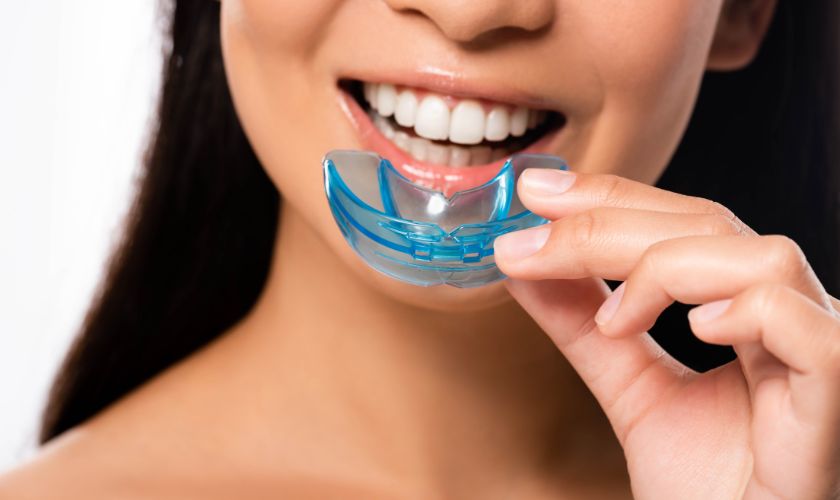
- Night Guards: For grinding-related pain, a custom night guard protects the teeth from the forces of bruxism while you sleep.
- Antibiotics and Drainage: In the case of an abscess, the infection needs to be drained and treated with antibiotics before further restorative work can be done.
When Should You See a Dentist?
Some dental discomfort resolves on its own, but a tooth that hurts when you bite down rarely does. If you notice any of the following, reach out to a dental office right away:
> Pain that lasts more than a day or two
> Swelling in your gums, jaw, or face
> Fever or a bad taste in your mouth
> A tooth that feels loose
> Pain that wakes you up at night
> Visible damage to a tooth
Do not try to tough it out or rely on over-the-counter pain medication as a long-term fix. Most dental problems worsen over time, and what starts as a manageable issue can become more involved if ignored.
Proudly Serving Portland and Its Neighboring Communities
If you are dealing with a toothache when you bite down and live anywhere in the Portland metro area — whether that’s Beaverton, Tigard, Lake Oswego, Gresham, Milwaukie, Hillsboro, Tualatin, or right in the heart of the city — relief is close by.
We encourage you to visit our dental office in Portland to get a thorough evaluation. With modern diagnostic tools, we can identify the root cause of your discomfort quickly and walk you through every step of the treatment process. You should not have to live with pain, and you should never feel confused or rushed when making decisions about your dental health.
Take That First Step Toward Relief
Tooth pain when you bite down is your body’s way of telling you something needs attention. Whether it’s a hairline crack, an aging filling, an infection, or gum disease, the sooner you get it checked out, the simpler and easier the solution tends to be.
At City Dental, Dr. Crofts and our team are here to help you feel comfortable, informed, and confident about your care. Do not wait for the pain to get worse. Book an appointment today and get back to enjoying every meal without hesitation. Ready to find relief? Call us at +1 (503) 926-8758 – we are here for you.
Frequently Asked Questions
Q1. Can a cracked tooth heal on its own?
Unfortunately, teeth cannot heal themselves the way bones can. A crack will not close or repair on its own — it can only remain the same or worsen under continued pressure. Getting it evaluated early means you may only need a simple filling or crown rather than a more involved procedure later.
Q2. Is it safe to keep eating on a painful tooth?
It is best to avoid putting pressure on a tooth that hurts until you know what is causing the pain. Continuing to chew on it can worsen a crack, push bacteria deeper into a cavity, or aggravate an infection. Switching to softer foods and chewing on the opposite side are reasonable short-term steps while you wait for your appointment.
Q3. Why does my tooth only hurt when I bite on something cold or hard?
When pain is triggered specifically by pressure or temperature, it usually points to exposed dentin or a crack in the tooth structure. These conditions make the tooth’s nerve highly reactive to certain stimuli. The pattern of pain — when it occurs and how long it lasts — provides valuable information for diagnosis, so try to note the details before your visit.
Q4. Can sinus problems really cause tooth pain?
Yes, and it is more common than people expect. The roots of the upper back teeth sit extremely close to the sinus cavity, so sinus inflammation can create pressure that feels very much like tooth pain. The key difference is that sinus-related tooth discomfort typically affects multiple teeth at once and is often accompanied by nasal congestion or facial pressure.
Q5. How long does pain after a dental filling usually last?
Mild sensitivity following a filling is normal and typically fades within one to two weeks. However, if your pain increases, or if it has been more than two to three weeks and you still feel discomfort when biting down, the filling may need a bite adjustment or further evaluation. Do not hesitate to call your dental office — this kind of follow-up is routine and quick.
Q6. What happens if I ignore an abscess?
A dental abscess is a bacterial infection that will not go away without treatment. Left untreated, the infection can spread to the jaw, neck, or even the bloodstream — a serious and potentially life-threatening situation. Swelling, fever, and a throbbing toothache are signs that you need to be seen as soon as possible.
Q7. Will I need a root canal if my tooth hurts when I bite?
Not necessarily. Bite-related pain has many possible causes, and a root canal is only one treatment option. Many cases are resolved with a simple filling, a crown, a bite adjustment, or a deep cleaning. The only way to know for certain what treatment you need is to come in for an examination and, if necessary, an X-ray.
Q8. Can grinding my teeth really cause that much damage?
Bruxism (teeth grinding) puts an enormous amount of force on your teeth — often far more than normal chewing. Over time, this can wear down enamel, cause micro-fractures, and lead to chronic pain in the teeth and jaw. A custom night guard is a simple, non-invasive way to protect your teeth and can make a significant difference in how you feel.