
Cold sores on the lips are a common concern that can cause discomfort and embarrassment. For many residents of Portland, the changing seasons, from cold winter months to warm summer days, can trigger these painful blisters. Understanding how to properly manage and treat it is essential, especially if it’s interfering with your daily life. If you’re unsure of how to treat them or need professional guidance, visit our dental office for advice and care.
Cold sores are often caused by the herpes simplex virus (HSV-1). Though the virus is highly contagious, it usually remains dormant in the body after the initial infection.
However, when the immune system is compromised by stress, fatigue, or environmental factors, the virus can become active, leading to cold sores on the lips. For locals who enjoy outdoor activities or attend local festivals like the Waterfront Blues Festival, it’s important to know the triggers and how to care for your skin during these seasons.
What Causes Cold Sores?
Herpes labialis is caused by the herpes simplex virus (HSV). Although the virus remains dormant in the body, various triggers can trigger an outbreak. Stress, illness, exposure to sunlight, and hormonal changes are common culprits.
The virus is highly contagious, and people often contract it through close contact with someone who has an active outbreak. Treatment effectively involves a combination of antiviral medication and home remedies.
The City of Roses’ rainy, cool winters may make some people prone to outbreaks. This is because the colder, drier air can weaken the skin’s natural defenses. As the weather warms up, hiking in Forest Park or attending Feast Portland can increase sun exposure, which can trigger flare-ups for many people.
How To Identify Cold Sores On Lips?
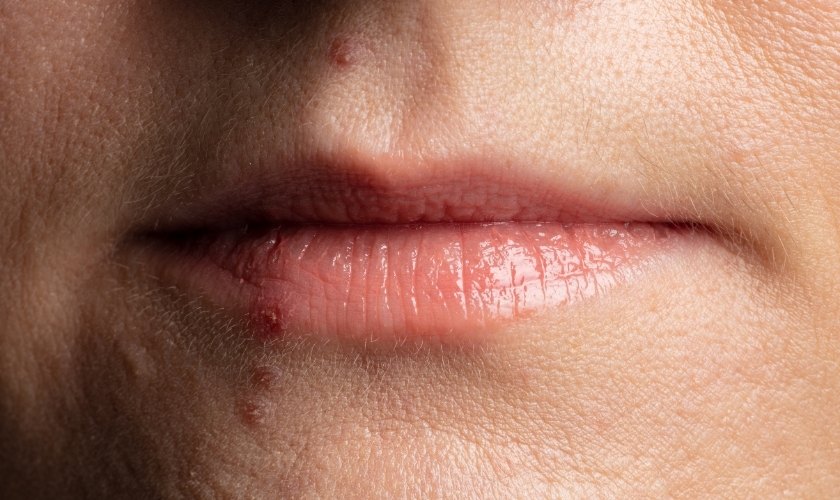
Fever blisters appear as small inflammation on or around your lips. Here are some common signs to help you identify one early:
- Tingling or itching: The area often feels tingly or itchy before the blister forms.
- Red or swollen bump: A small red bump appears, which later turns into a blister.
- Pain or discomfort: The area can be tender and painful, especially when touched.
Recognizing these symptoms early helps you manage the sore before it worsens. If you notice any of these signs, yet are searching for how to remove a cold sore on the lip, the issue might escalate. It’s better to consult with a dental oral care provider for relief.
How To Treat Cold Sores On Lips?
When the blister appears, professional care can help speed up recovery and reduce symptoms. Here’s how professionals usually treat herpes labialis:
- Prescription Antivirals: Medications like acyclovir and valacyclovir are often prescribed to reduce the duration and severity of outbreaks.
- Topical Treatments: Stronger creams, like docosanol, can be more effective than over-the-counter options in speeding up healing.
- Laser Therapy: Low-level laser therapy (LLLT) promotes healing and reduces pain by stimulating the immune system.
- Pain Relief: Prescription numbing agents and over-the-counter pain relievers like ibuprofen can help manage discomfort.
How To Treat Cold Sores Naturally At Home?
If you prefer natural solutions, several home remedies can help soothe the irritation. While these methods may not cure the condition entirely, they can ease discomfort and promote healing:
- Aloe vera: Known for its soothing properties, aloe vera can reduce redness and irritation.
- Lemon balm: Applying lemon balm oil may help reduce the healing time.
- Tea tree oil: This essential oil has antiviral properties that may accelerate healing.
For those wondering how to get rid of a cold sore on the lip fast, these methods can provide some relief, but seeing a local dentist in Portland for more severe cases is highly recommended. Urgent care may also be necessary if you have multiple outbreaks or one that doesn’t heal within a few days.
How To Prevent Cold Sores From Recurring?
To prevent herpes labialis from coming back, there are several steps you can take to maintain healthy skin and a strong immune system:
- Hydrate: The dry winter air in Portland can lead to chapped lips and trigger outbreaks. Drink plenty of water and use a hydrating lip balm.
- Protect Your Lips: Use lip balm with SPF protection when you’re outdoors, especially during summer activities or hikes in Portland’s natural reserves.
- Manage Stress: Stress is a common trigger for fever blisters. Take time to relax and enjoy outdoor activities, such as hiking in Forest Park, to de-stress and keep your body healthy.
- Good Oral Hygiene: Keeping your mouth healthy with regular brushing and flossing can help prevent the spread of the herpes simplex virus.
By following these steps, you can reduce the chances of a cold sore outbreak during seasonal transitions and maintain your confidence.
When Should You Seek Professional Help?
If the blisters persist or worsen, it’s important to visit our dental office for a professional assessment. For people who frequently experience cold sores, seeing a dentist can help tailor a treatment plan specific to your needs. In some cases, prescription antiviral medications or stronger topical treatments might be necessary.
Additionally, if the condition is affecting your ability to eat, drink, or speak comfortably, it’s important to seek immediate care. A specialist can provide effective solutions that reduce healing time and prevent further discomfort.
Book An Appointment For Cold Sore Treatment
If you’re currently experiencing a cold sore outbreak or want to learn more about effective treatment options, book an appointment at our Portland office today. Our team at City Dental is here to provide necessary guidance and treatment. Whether you need over-the-counter recommendations or prescription antiviral medication, we are here to help. Let us help you take control of your oral health and enjoy life without worrying about outbreaks.
Frequently Asked Questions
Q. Why do some people get frequent cold sore outbreaks?
Recurring outbreaks often occur when the virus stays dormant in nerve cells and is triggered by stress, sun exposure, or weakened immunity. Identifying and avoiding your personal triggers can help reduce the frequency of flare‑ups.
Q. Are cold sores always caused by the herpes virus?
Yes, cold sores are a symptom of a herpes simplex virus infection, typically HSV‑1. Other similar mouth sores, like canker sores, are caused by different conditions and are not contagious.
Q. Can I pass cold sores to someone before blisters appear?
Yes, the virus can spread even before visible blisters develop, during the early tingling or itching phase. Avoid close contact and sharing utensils as soon as symptoms start to reduce transmission.
Q. How long do cold sores usually take to heal?
Cold sore outbreaks typically go through stages and heal within about 7–14 days without scarring. Early treatment with antiviral creams can help shorten the duration and lessen discomfort.
Q. What home care helps reduce cold sore discomfort?
Applying a cold, damp cloth can soothe irritation and reduce swelling, while keeping the area clean and avoiding picking prevents infection. Maintaining hydration and using lip protection may also aid comfort.