

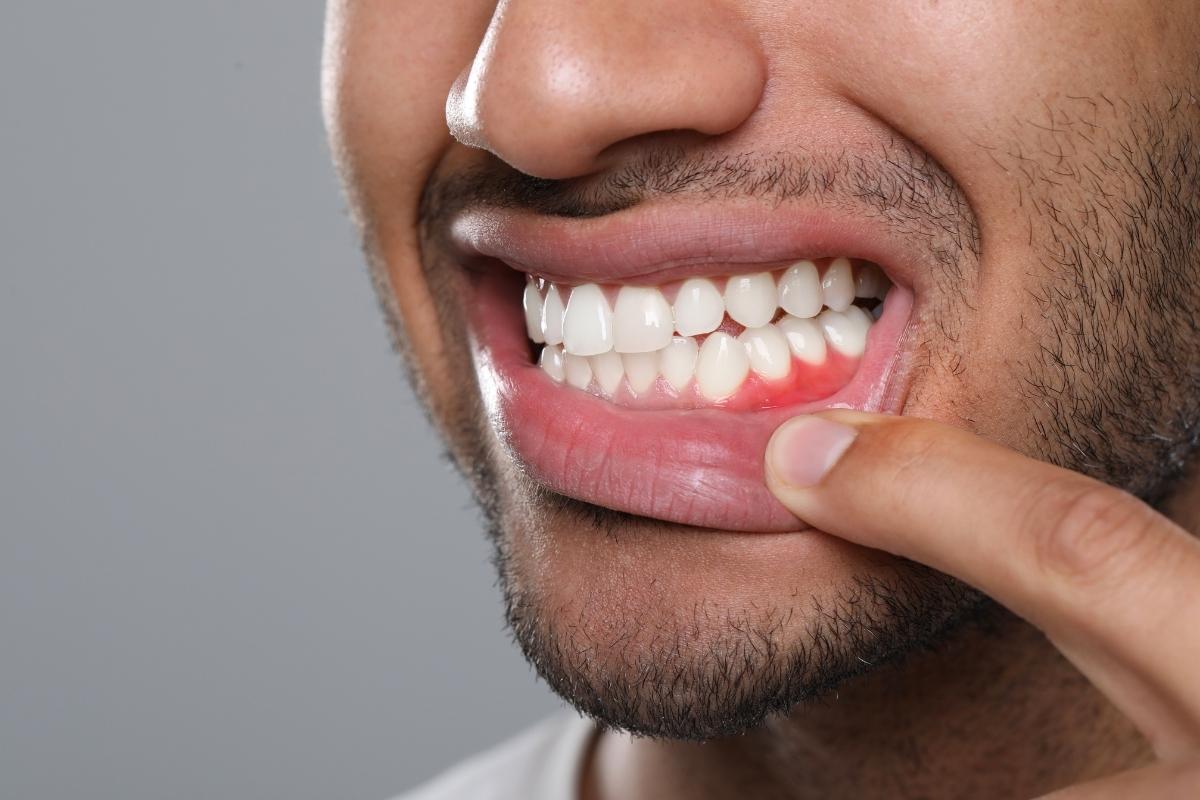
Noticing a bump on your gums can be unsettling, especially when it appears unexpectedly. However, these bumps are harmless and often resolve with minimal intervention. Understanding the potential causes behind these lumps, their symptoms, and when you should seek treatment is key to maintaining good oral health.
In this post, we will break down the common causes of a bump on your gums, how to identify them, and the best course of action you can take to address them.
What Causes a Bump on Your Gums?
Bumps on your gums can take various forms and can occur for multiple reasons. Whether it is a small white bump on your gums or a hard bump on your gums, these bumps are mostly benign. Here are some potential causes you should be aware of:
1. Gum Abscess (Infection)
A gum abscess is a painful, swollen area filled with pus that can form when bacteria infect the gum tissue. It often appears as a hard white bump on your gums. Abscesses can result from untreated tooth decay, gum disease, or trauma to the gums. If left untreated, it can spread and cause further complications. Early detection and treatment are key to preventing more serious issues.
Signs of a gum abscess:
- Red, swollen, or inflamed gums.
- Pain or tenderness in the area.
- Pus or drainage from the bump.
- Fever (in severe cases).
2. Canker Sores
Canker sores are small white bumps on your gums that typically occur inside the mouth. They are often triggered by stress, certain foods, or a weakened immune system. Unlike cold sores, canker sores are not contagious but can be painful. They usually heal within 7-10 days without treatment.
Common symptoms of canker sores include:
- Pain or discomfort while chewing or speaking.
- A round, white, or yellowish ulcer surrounded by red tissue.
3. Oral Cysts (Mucocele)
A mucocele, or oral cyst, is a fluid-filled sac that forms when a salivary gland becomes blocked. This can result in a bump on the gums inside the mouth. These cysts are usually painless and might appear as a small, soft bump on the gums. If they persist or become painful, they may require drainage or removal.
Signs of oral cysts:
- Soft, painless bump that may vary in size.
- Located inside the mouth, near the gums or lips.
- Can rupture and heal on their own, but sometimes need medical intervention.
4. Fibromas Or Gum Overgrowth
If you have been wearing braces, dentures, or other dental appliances, you might notice a bump on the gum above a tooth. This could be a fibroma, a tissue growth that forms in response to chronic irritation. While it is typically not dangerous, a dentist might need to remove it if it causes discomfort or grows larger over time.
Signs of fibromas:
- Soft, smooth bump that may become larger over time.
- Caused by chronic irritation (e.g., braces, dentures).
- Generally painless but may require surgical removal in severe cases.
5. Teething (In Children)
Bumps on the gums inside the mouth are often associated with teething in children. As new teeth emerge, the gums can swell and develop temporary lumps. This process can cause discomfort, but it typically resolves as the teeth break through.
When Should You Be Concerned About a Bump on Your Gums?
While most bumps are harmless, a few signs indicate it is time to see a dental professional. If you experience any of the following symptoms, it is essential to seek help:
- The bump on your gums is growing in size or changing shape.
- The bump is painful or tender to the touch.
- The bump bleeds, especially when touched or while brushing your teeth.
- There is swelling, fever, or difficulty eating and speaking.
These symptoms could indicate an underlying infection or condition requiring professional treatment.
Treatment Options For Bumps On Your Gums
Treatment for a bump on your gums will depend on the underlying cause. In many cases, simple at-home care like rinsing with warm salt water or using over-the-counter gels can relieve conditions like canker sores.
However, if the bump is caused by an abscess, cyst, or gum disease, a visit to the dentist will be necessary.
A local dentist will perform a thorough examination, potentially taking X-rays or using other imaging tools to get a complete picture of the issue. Depending on the diagnosis, your treatment may include:
- Drainage and antibiotics for abscesses.
- Cyst removal if the mucocele persists.
- Surgical removal of fibromas or growths causing discomfort.
When To Seek Professional Help?
If you’ve noticed a bump on your gums that is not going away or causing significant pain or discomfort, it is best to consult a dentist. A dental hygienist can accurately diagnose the cause of the bump and determine the appropriate treatment. Remember, catching problems early can prevent more serious complications down the road. Regular oral checkups help catch potential issues before they become significant problems.
Solve The Problem: Find Relief For Your Gum Bump Now
A bump on your gums can be annoying, but it is usually treatable and manageable with the proper care. Whether caused by an infection, irritation, or another condition, understanding the underlying issue is the first step to resolving it. If you are experiencing discomfort or if the bump persists, don’t wait for it to resolve independently. Seeking the right professional care will ensure you receive the appropriate treatment.
Schedule an appointment today to discuss your symptoms, get a precise diagnosis, and treat your gum issue. Your oral health is too important to leave to chance, so let us address any concerns before they become bigger issues.
Also Read: How to Get Rid of Bumps on the Tongue?
Frequently Asked Questions (FAQs)
1. What causes bumps on your gums?
Bumps on the gums can result from various conditions, including gum abscesses, canker sores, or oral cysts. Most are harmless, but persistent or painful bumps should be evaluated by a dental professional.
2. Are bumps on gums always an infection?
Not necessarily. While infections like gum abscesses can cause bumps, other conditions, such as mucoceles or fibromas, can also lead to similar symptoms.
3. How long do bumps on gums last?
The duration of a bump on the gums depends on its cause. Canker sores typically heal within 1-2 weeks, while other conditions may persist longer and require professional treatment.
4. What can I do for a bump on my gums?
For minor bumps like canker sores, rinsing with warm salt water and avoiding irritants can help. However, if the bump is painful, growing, or not improving, consult a dentist for proper diagnosis and treatment.
5. When should I worry about a bump on my gums?
Seek professional care if the bump is painful, persistent, or accompanied by other symptoms like fever or swelling. Early evaluation can prevent potential complications.