

A fractured tooth can happen suddenly or develop slowly over time. Even a small crack may lead to pain, sensitivity, or difficulty chewing if left untreated. Understanding the causes, symptoms, and treatment options can help protect your oral health and prevent further damage. If you are searching for reliable dental care in Portland, knowing when to seek professional help is important for saving your natural tooth.
At City Dental, patients often ask why teeth fracture even when they brush and floss regularly. The truth is that teeth experience constant pressure every day, and several factors can weaken them over time.
Common Causes of a Fractured Tooth
Teeth Grinding and Clenching
Grinding or clenching your teeth, especially during sleep, places intense pressure on the enamel. Over time, this repeated stress can create small cracks that eventually grow larger. Many people do not realize they grind their teeth until symptoms such as jaw pain or tooth sensitivity appear.
Biting Hard Foods or Objects
Chewing ice, hard candy, popcorn kernels, or even using teeth to open packaging can cause fractures. Sudden impact from hard objects may chip or crack a tooth instantly.
Trauma or Injury
Sports injuries, car accidents, or falls are common reasons for fractured teeth. A direct blow to the mouth can damage both the enamel and the deeper layers of the tooth.
Large Fillings or Previous Dental Work
Teeth with large fillings may become weaker because less natural tooth structure remains. Older restorations may also contribute to fractures when the tooth experiences pressure during chewing.
Tooth Decay
Untreated cavities weaken the enamel and make teeth more vulnerable to cracking. Once decay reaches the inner structure of the tooth, even normal chewing can lead to a fracture.
Sudden Temperature Changes
Drinking very hot beverages immediately after consuming something cold can create stress within the enamel. Repeated temperature changes may contribute to tiny cracks over time.
Signs You May Have a Fractured Tooth
Not every fracture is easy to see. Some cracks are extremely small but still cause discomfort. Common symptoms include:
- Pain while chewing
- Sensitivity to hot, cold, or sweet foods
- Swollen gums around one tooth
- Sharp pain that comes and goes
- Visible cracks or chips
- Discomfort when biting down
Sometimes the pain may disappear temporarily, making it difficult to identify the problem without a professional dental evaluation.
Types of Tooth Fractures
Craze Lines
These are tiny surface cracks in the enamel. They are usually harmless and common in adults. Craze lines often do not require treatment unless they affect appearance.
Chipped Teeth
Small chips usually affect the outer enamel. Cosmetic bonding or veneers may restore the appearance and function of the tooth.
Cracked Tooth
A crack may extend from the chewing surface toward the root. Early treatment is important to prevent the crack from spreading.
Split Tooth
A split tooth occurs when a crack separates the tooth into sections. Severe cases may require extraction if the tooth cannot be saved.
Vertical Root Fracture
These cracks begin below the gum line and may go unnoticed until infection develops. Treatment often depends on the extent of the damage.
How Dentists Fix a Fractured Tooth
The right treatment depends on the size and location of the fracture.
Dental Bonding
For minor chips or small cracks, tooth-colored resin can repair the damaged area. Bonding improves appearance while restoring strength to the tooth.
Dental Crowns
Crowns cover and protect teeth with larger fractures. They restore shape, function, and durability while preventing the crack from worsening.
Root Canal Therapy
If the fracture reaches the pulp inside the tooth, root canal treatment may be needed. This procedure removes infected tissue and helps preserve the natural tooth.
Veneers
Porcelain veneers may be recommended for visible front tooth cracks or chips. They provide a natural appearance while strengthening the surface.
Tooth Extraction
When a fracture extends too far below the gum line, extraction may be the only option. Your dentist may discuss replacement solutions such as bridges or dental implants afterward.
Why Immediate Treatment Matters
Ignoring a fractured tooth can lead to serious complications. Cracks may deepen over time and allow bacteria to enter the inner tooth structure. This can cause infection, severe pain, or abscess formation. Early treatment often saves the tooth and prevents more extensive procedures later.
People experiencing severe pain or sudden damage should seek urgent dental care as quickly as possible. Prompt evaluation helps reduce discomfort and improves the chances of successful treatment.
How to Prevent Tooth Fractures
While not every fracture is avoidable, certain habits can lower your risk.
- Wear a mouthguard during sports
- Avoid chewing ice or hard objects
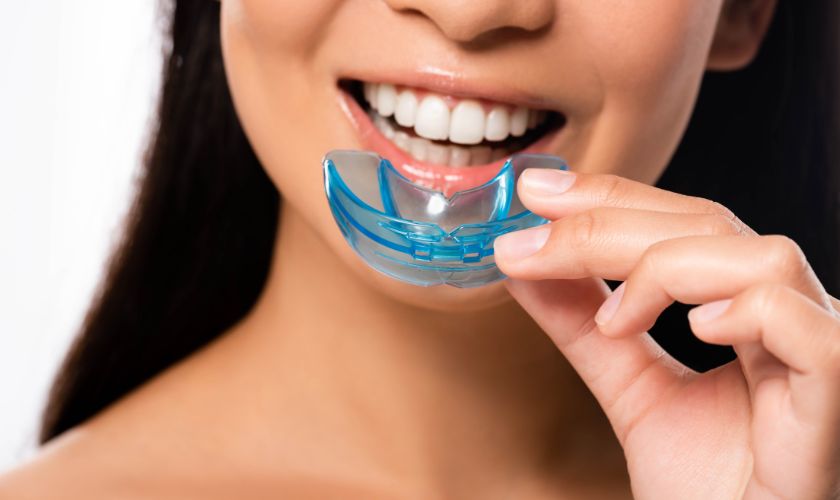
- Treat teeth grinding with a nightguard
- Maintain regular dental checkups
- Address cavities early
- Avoid using teeth as tools
Healthy habits and preventive care help keep teeth strong and reduce unnecessary stress on the enamel.
When to See a Dentist
Any unexplained tooth pain, sensitivity, or visible damage should be evaluated by a dental professional. Even minor cracks can become serious if left untreated. A dentist can use digital imaging and a thorough exam to determine the extent of the fracture and recommend the most effective solution.
At City Dental, patients receive personalized treatment options designed to restore comfort and protect long-term oral health. Whether the issue is a small chip or a severe crack, professional care can make a significant difference in preserving your smile.
Visit our dental office if you notice symptoms of a fractured tooth or experience sudden discomfort while chewing. Early diagnosis and treatment can help prevent additional complications and restore confidence in your smile. If you are experiencing dental pain or damage, book an appointment for prompt care and guidance from an experienced dental team.
Frequently Asked Questions
1. Can a fractured tooth heal on its own?
No, a fractured tooth cannot repair itself naturally. Professional treatment helps prevent the crack from worsening and protects the tooth from infection or further damage.
2. Is a cracked tooth considered a dental emergency?
A cracked tooth may become an emergency if pain, swelling, or bleeding occurs. Immediate evaluation helps reduce complications and improve treatment success.
3. What foods should I avoid with a fractured tooth?
Avoid hard, crunchy, sticky, or extremely hot and cold foods. These can worsen the crack and increase pain or sensitivity while chewing.
4. Can teeth grinding cause tooth fractures?
Yes, constant grinding or clenching places heavy pressure on teeth. Over time, this stress may weaken enamel and create cracks or fractures.
5. How long does treatment for a fractured tooth take?
Treatment time depends on the severity of the fracture. Minor repairs may take one visit, while crowns or root canals may require multiple appointments.
6. Are fractured teeth always painful?
Not always. Some fractures cause little or no discomfort at first. However, untreated cracks can eventually lead to pain, sensitivity, or infection.
7. Can a dentist save a severely fractured tooth?
Many severely fractured teeth can still be restored with crowns or root canal therapy. Extraction is only recommended when the damage is beyond repair.