


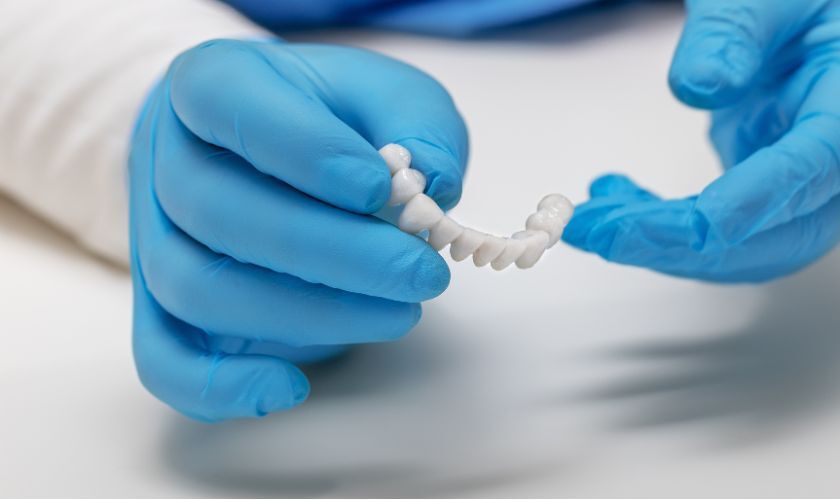
A dental bridge is an effective solution for replacing missing teeth, helping you restore your smile, improve your bite, and maintain facial structure. However, like any dental restoration, it requires proper care and maintenance to ensure its longevity and effectiveness. If you’ve recently had a dental bridge placed or are considering one, understanding how to care for it can help you protect your investment and maintain a healthy mouth.
In this blog, we’ll share five essential tips for keeping your dental bridge in top condition, as well as answer common questions patients often have.
1. Maintain Excellent Oral Hygiene
The health of your dental bridge heavily depends on the health of the surrounding teeth and gums. Even though the bridge itself is artificial, it’s supported by natural teeth or implants, which are vulnerable to decay and gum disease.
- Brush your teeth twice a day using a soft-bristled toothbrush.
- Use fluoride toothpaste to strengthen surrounding teeth.
- Pay extra attention to the areas around the bridge, especially where the bridge meets the gumline.
- Replace your toothbrush every three months or when the bristles begin to fray.
Keeping your mouth clean reduces the risk of plaque buildup that can compromise both the bridge and the abutment teeth.
2. Floss Under the Bridge Daily
Traditional flossing may not work for dental bridges because the false tooth (pontic) is fused to the adjacent crowns. You’ll need specialized flossing tools to clean under the bridge effectively.
- Use floss threaders or super floss to clean beneath the pontic.
- Consider a water flosser as a gentle, effective way to flush out trapped food particles and plaque.
Neglecting to clean under your bridge can lead to gum inflammation, decay in the supporting teeth, and potential bridge failure. A well-maintained bridge can last 10-15 years or more, so make flossing a non-negotiable part of your routine.
3. Avoid Hard and Sticky Foods
While dental bridges are made from durable materials, they aren’t indestructible. Certain foods can put excessive pressure on your bridge, causing it to crack, loosen, or even come out.
- Avoid hard foods like popcorn kernels, ice, hard candy, and nuts.
- Limit sticky foods such as caramel, chewing gum, or taffy, which can dislodge or weaken the bridge.
- Try chewing on the opposite side of the mouth, especially immediately after bridge placement.
Protect your dental bridge by making wise dietary choices that support long-term function and comfort.
4. Schedule Regular Dental Check-Ups
Regular dental visits are essential to monitor the condition of your bridge and the health of your gums and supporting teeth.
- Visit your Portland dentist every six months for professional cleanings and check-ups.
- X-rays may be taken to ensure there’s no decay under the crowns or signs of bone loss.
- Early detection of issues allows for quicker, less invasive solutions.
Your dentist will also polish and check the fit of your bridge, ensuring it remains secure and functional. If you’re unsure where to go, a reputable Portland dental office can guide you on the best care for your bridge.
5. Protect Your Bridge with a Mouthguard
If you grind your teeth at night (a condition known as bruxism), you could unintentionally damage your dental bridge. Likewise, if you play sports, there’s always a risk of trauma to the mouth.
- Ask your dentist about a custom nightguard if you grind your teeth.
- Wear a sports mouthguard during contact sports to protect both your natural teeth and your bridge.
Taking proactive steps to shield your bridge will help maintain its appearance and function for years to come.
Conclusion
Proper care is crucial for the longevity of your dental bridge. By practicing excellent oral hygiene, using the right tools, watching your diet, attending regular dental visits, and protecting your bridge from damage, you can ensure a strong, lasting smile.
If you’re searching for the nearest dentist to evaluate your bridge or provide guidance on care, choose a clinic that emphasizes patient education and long-term dental health. Dental bridges in Portland are a reliable solution, but their success depends largely on how well you take care of them.
Frequently Asked Questions
1. How long do dental bridges typically last?
Dental bridges can last between 10 and 15 years with proper care. Good oral hygiene, regular dental visits, and avoiding harmful habits all contribute to extending their lifespan.
2. Can a dental bridge get cavities?
The bridge itself can’t get cavities, but the supporting teeth underneath are still vulnerable to decay. It’s important to clean thoroughly around and under the bridge to prevent issues.
3. What are the signs that my dental bridge needs repair or replacement?
Common signs include looseness, pain while chewing, visible cracks or damage, or bad breath that doesn’t go away despite cleaning. If you experience any of these, visit your Portland dental office promptly.
4. Is it hard to eat with a dental bridge?
Not once you get used to it. Initially, you may want to eat soft foods and gradually reintroduce your regular diet. Avoid hard or sticky foods that can damage the bridge.
5. How do I clean under my dental bridge?
Use a floss threader, interdental brush, or water flosser to clean under the pontic daily. This removes plaque and prevents gum disease, which can affect your bridge’s support system.