


Losing a tooth is more than a cosmetic issue; it can cause your teeth to shift over time. It leads to bite problems and jaw discomfort. Acting promptly to restore a missing tooth is crucial, and one highly effective solution is dental bridges.
For those considering dental bridges, they provide a dependable way to fill gaps and maintain natural alignment in your smile. Acting quickly after tooth loss is essential, as it helps you prevent future dental complications and protect your overall oral health.
What is Dental Bridges Treatment?
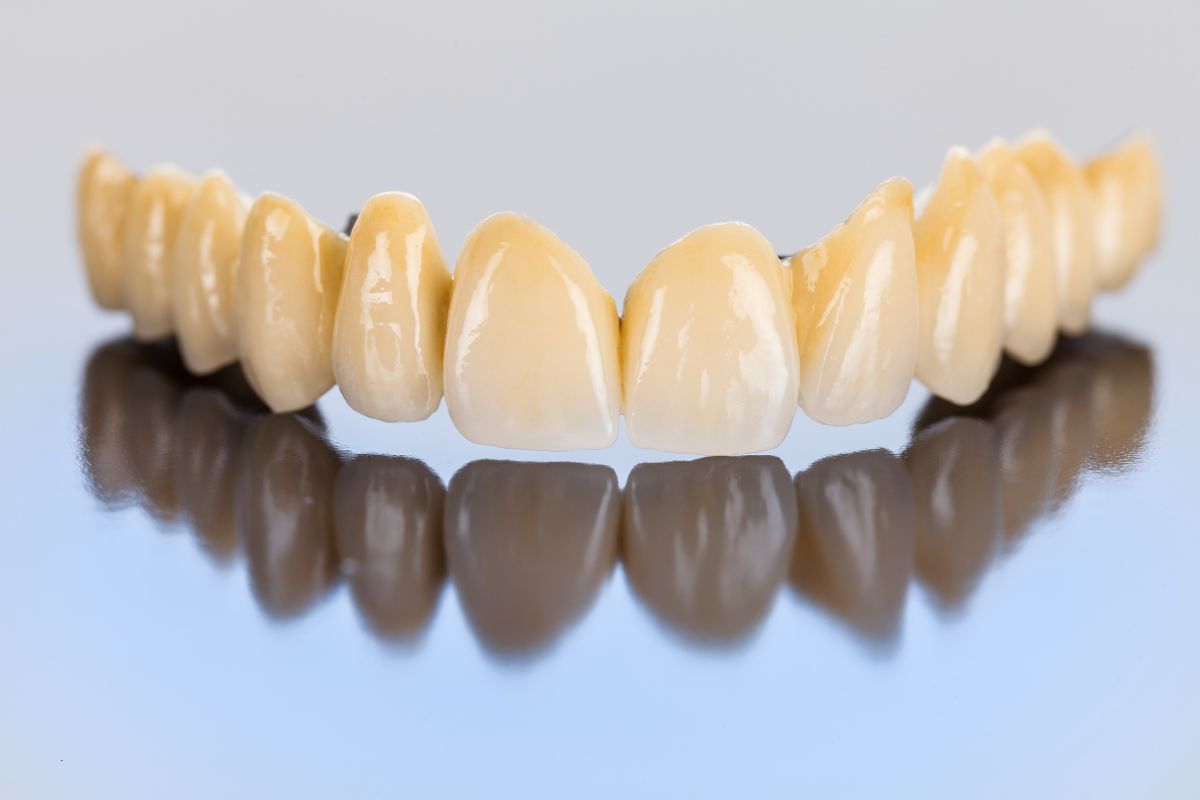
Dental bridges are restorative dental treatments designed to fill gaps created by missing teeth. They consist of one or more artificial teeth, called pontics, held in place by crowns on either side, known as abutments. These crowns anchor to natural teeth or dental implants to secure the bridge. Dental bridges ensure proper alignment and prevent adjacent teeth from shifting by filling the space left by missing teeth.
The materials used for dental bridges vary, with porcelain being a popular choice due to its resemblance to natural teeth. Whether you’ve lost a tooth due to decay or aging, a dental bridge can restore function and stability to your smile. Dental bridges also play a critical role in maintaining bite alignment and reducing the risk of teeth grinding or temporomandibular joint (TMJ) disorders.
How Dental Bridges Prevent Tooth Shifting?
Dental bridges do more than restore appearance—they actively support your dental structure. When a gap remains, surrounding teeth shift towards it, causing alignment problems. Here’s how dental bridges prevent teeth from shifting and why acting swiftly is crucial.
1. Maintaining Alignment of Adjacent Teeth
A primary function of a dental bridge is to keep neighboring teeth aligned. Without a bridge, teeth near the gap tilt toward the open space. This misalignment can lead to crowding, spacing issues, and bite irregularities. By placing a bridge, you create a barrier that keeps each tooth in its original position.
2. Preserving Bite and Jaw Function
Teeth shifting impacts more than just appearance—it also affects your bite and jaw function. When teeth start to move, it stresses surrounding teeth and can cause your bite to become unbalanced. An uneven bite can strain your jaw, leading to discomfort, headaches, and even TMJ disorders. A dental bridge restores proper bite alignment, reducing pressure on specific teeth and maintaining jaw comfort.
3. Supporting Facial Structure
If not restored, missing teeth can impact the structure of your face. Gaps in the teeth can cause your cheeks to sink, altering your facial profile. Dental bridges help maintain your natural facial structure by filling these gaps, providing support, and preserving a youthful appearance.
4. Types of Dental Bridges
Various kinds of dental bridges cater to specific needs. Traditional bridges are the most common; two crowns are used on either side of the gap to secure the bridge. A cantilever bridge can be used for those with only one natural tooth adjacent to the gap.
Implant-supported bridges are an excellent option for those missing multiple teeth in a row, as they anchor to dental implants for enhanced stability. Each type provides its own set of advantages, and a dental consultation will help you determine which is best for your situation.
5. Benefits of Acting Quickly
The benefits of dental bridges extend beyond aesthetics and alignment. Acting quickly after tooth loss ensures better oral health and helps you avoid complications. When you replace a missing tooth promptly, you can prevent surrounding teeth from weakening. Additionally, early dental bridge placement minimizes the risk of developing gum problems.
6. Teeth Shifting Solutions and Overall Health
Allowing teeth to shift without intervention can lead to more extensive dental issues in the future. Misaligned teeth often require orthodontic treatment, which can be time-consuming and costly. Teeth-shifting solutions, like dental bridges, offer a proactive approach to maintaining dental and overall health. Filling gaps reduces the risk of additional complications that could affect your gums, bones, and teeth over time.
Aftercare for Dental Bridges
Proper care is essential to maintain longevity and effectiveness once a dental bridge is placed. Regular brushing, flossing, and dental checkups keep your bridge in shape. Special flossing tools, like interdental brushes, are recommended to clean around and under the bridge effectively. With diligent care, your bridge can last many years, providing a comfortable, stable, and attractive solution to missing teeth.
Dental bridges are a highly effective way to prevent teeth from shifting after tooth loss. They provide stability and alignment and preserve overall dental health. By quickly replacing missing teeth with the help of your dentist in Portland, you can prevent complications that may require additional treatment.
City Dental doesn’t just restore your smile – they support your entire dental structure. By consulting an expert in dental bridges, you can find valuable information on restoring gaps and stabilizing your smile.