
Missing teeth can significantly impact your smile, speech, and ability to chew food. Dentures are a common way to restore oral function and replace missing teeth. But with two main types of dentures available – full and partial – choosing the right one can be confusing.
This blog post will explore the key differences between full and partial dentures, helping you decide which option best suits your needs.
Full Dentures
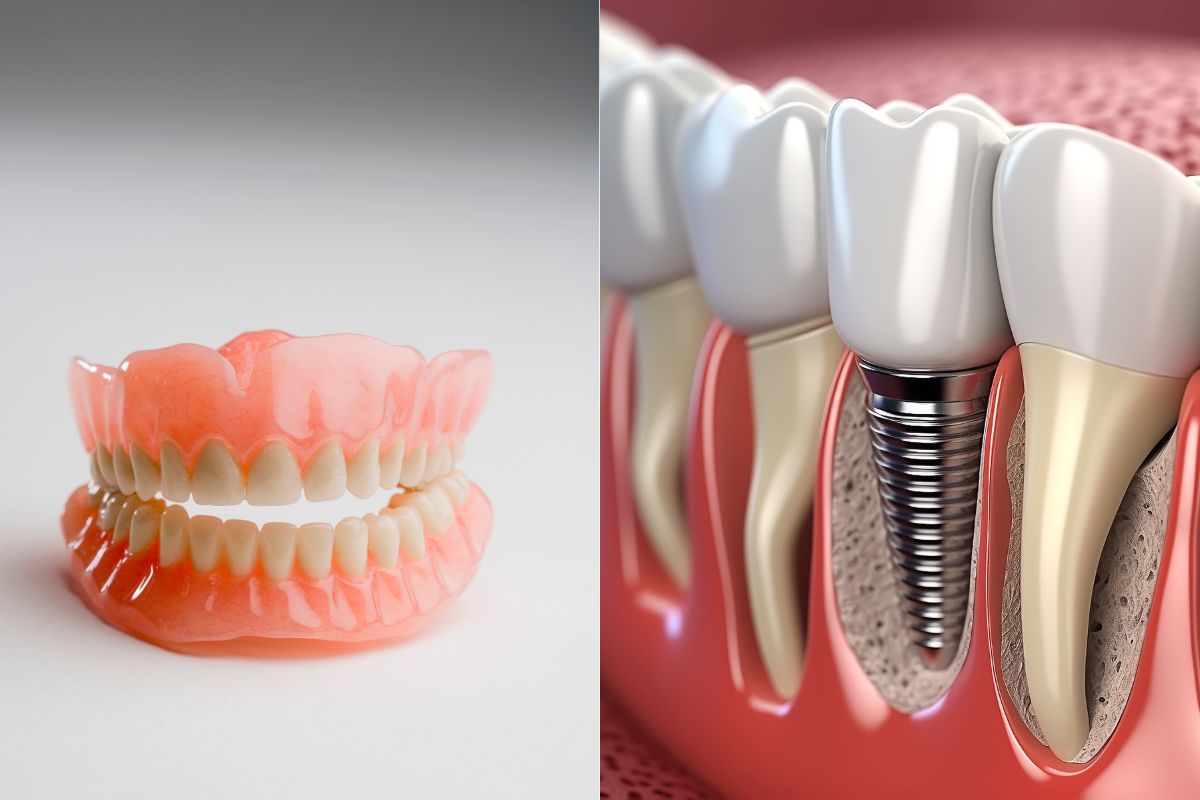
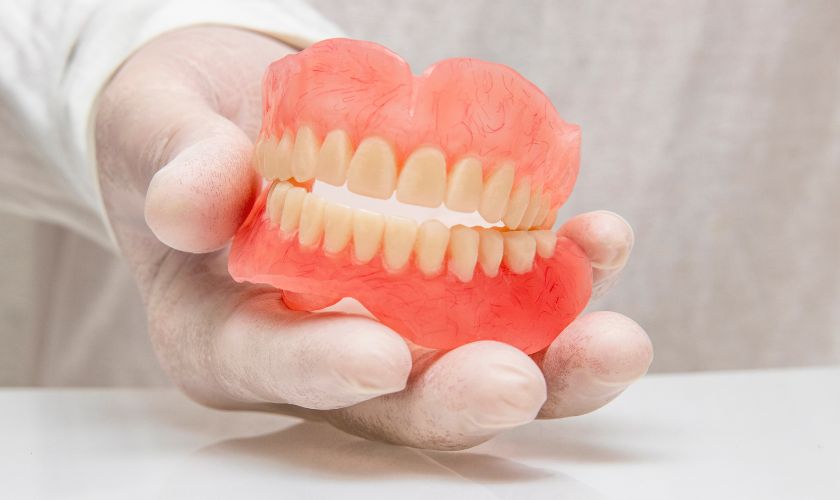
Full dentures are removable replacements for all of the teeth in your upper or lower jaw, or both. They are made from acrylic resin and typically have a flesh-colored base that fits snugly against your gums. The base is attached to artificial teeth. Full dentures stay in place through suction and by conforming to the contours of your mouth.
- Who are full dentures for?
Full dentures are ideal for patients who have lost all of their teeth in one or both jaws. They can also be an option for patients with some remaining teeth that need to be extracted due to poor prognosis.
- Benefits of full dentures:
- Restore your ability to chew, speak, and smile.
- Improve facial appearance by supporting facial muscles.
- Relatively affordable compared to dental implants.
- Drawbacks of full dentures:
- Can slip or become loose, especially when eating or speaking.
- May require denture adhesives for a secure fit.
- Takes time to adjust to speaking and eating with dentures.
Partial Dentures
Partial dentures are removable appliances that replace some missing teeth, but not all of them. They consist of a metal framework that clasps onto your remaining healthy teeth for support. The framework holds one or more replacement teeth made from plastic or porcelain.
- Who are partial dentures for?
Partial dentures are a good option for patients who have some healthy teeth remaining in the jaw where teeth are missing. They can help prevent remaining teeth from shifting and improve your bite.
- Benefits of partial dentures:
- Preserve your healthy teeth.
- Restore chewing and speaking function.
- More comfortable and stable than full dentures.
- Easier to clean than full dentures.
- Drawbacks of partial dentures:
- The metal clasps may be visible during social interaction.
- May require adjustments as your remaining teeth shift.
Choosing Between Full and Partial Dentures
Ultimately, the decision of whether to get full or partial dentures depends on your individual needs and preferences. Here are some factors to consider:
- The number of teeth you are missing
- The health of your remaining teeth
- Your jawbone health
- Your budget
- Your lifestyle and expectations
Consult with your Portland dentist:
A consultation with your Portland dentist is essential to determine the best course of treatment for you. They will examine your mouth, take X-rays, and discuss your medical history to determine if full or partial dentures are right for you. They can also discuss other treatment options, such as dental implants.
Conclusion:
A person’s life can be changed by dentures for those who have lost teeth. By understanding the differences between full and partial dentures, you can make an informed decision about which option is right for you. With proper care, dentures can last for many years and help you restore your smile, confidence, and overall well-being.