
When replacing missing teeth, two of the most popular options are dentures and dental implants. Both solutions can restore your smile, improve oral health, and make eating and speaking easier. Let’s break down the key differences between dentures and implants to help you make an informed decision.
What Are Dentures?
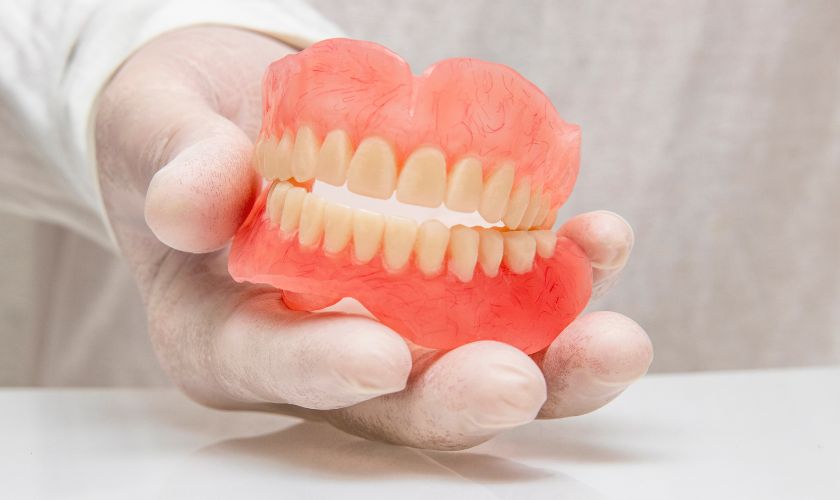
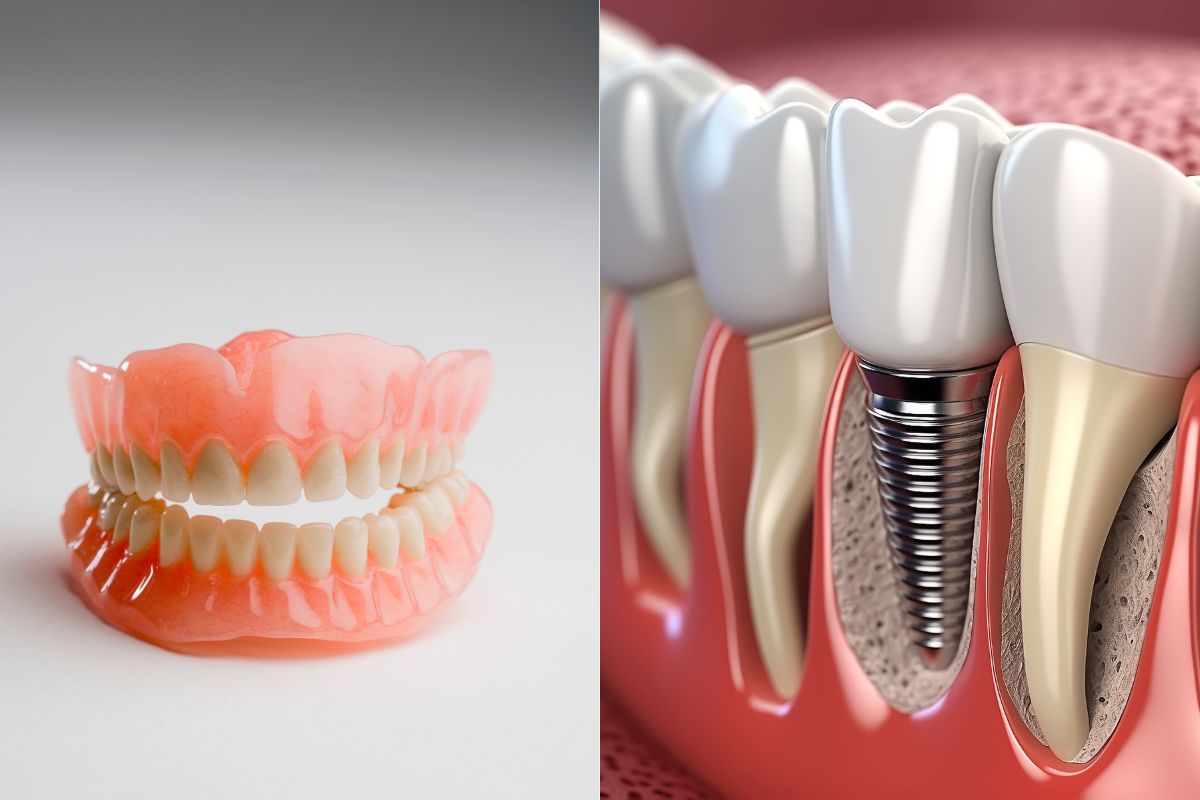
Dentures are removable appliances that replace missing teeth. They might be full or partial, depending on how many teeth are to be replaced. Full dentures are used when all teeth in the upper or lower jaw are missing, while partial dentures fill in gaps when some natural teeth remain.
Pros of Dentures:
- Cost-effective: Dentures are generally more affordable than implants, making them a popular choice for patients on a budget.
- Non-invasive: Unlike implants, dentures don’t require surgery. This makes them a good option for individuals who may not be candidates for surgical procedures.
- Customizable fit: Modern dentures are made to fit the shape of your mouth, giving you a more comfortable experience than dentures from previous generations.
Cons of Dentures:
- Maintenance: Dentures must be removed and cleaned daily, which can be inconvenient for some people.
- Stability: Dentures may shift or move, especially when eating or speaking. You might need adhesive to keep them in place.
- Bone loss: Dentures don’t prevent jawbone deterioration, which can lead to a change in your facial structure over time.
What Are Dental Implants?
Dental implants consist of titanium posts surgically placed into the jawbone to serve as artificial tooth roots. Once the post integrates with the bone, a crown is attached to the top, creating a natural-looking replacement for a missing tooth. Implants can replace a single tooth or multiple teeth, and in cases of full-mouth restoration, they can support a full arch of prosthetic teeth.
Pros of Dental Implants:
- Permanent solution: Implants are designed to last for decades, making them a long-term investment in your dental health.
- Natural look and feel: Since implants fuse with your jawbone, they provide a more secure, stable foundation. They look and function like natural teeth, and there’s no risk of slipping or movement.
- Preserve bone health: Implants stimulate the jawbone, helping to prevent bone loss and maintain your facial structure.
Cons of Dental Implants:
- Higher cost: Implants are more expensive than dentures upfront, though many patients consider them a worthwhile investment due to their longevity.
- Surgical procedure: Getting dental implants requires surgery, and not everyone is a candidate. Individuals with certain medical conditions, insufficient jawbone density, or those who smoke may need additional procedures like bone grafts.
- Longer process: The process of getting implants can take several months, especially if preparatory procedures like bone grafting are necessary.
How to Choose Between Dentures and Implants
The decision between dentures and implants is influenced by a variety of factors, including your budget, oral health, and personal preferences. Here’s a closer look at a few key considerations:
Oral Health
- If you have healthy gums and sufficient jawbone density, dental implants for missing teeth may be the better choice. They provide a stable and permanent solution. However, if your jawbone has already started to deteriorate or your gums are not in good condition, dentures might be the easier option.
Budget
- Dentures are the more affordable option, especially if you need to replace multiple teeth. Dental implants, while more expensive, can be seen as a long-term investment because of their durability and reduced need for future dental work.
Convenience
- Dentures require regular maintenance, including removing them for cleaning and soaking. Implants, on the other hand, can be brushed and flossed just like natural teeth, making them more convenient for daily care.
Aesthetic Goals
- If you’re looking for a solution that mimics the look and feel of natural teeth, dental implants are the clear winner. They are custom-designed to match your natural teeth, providing a seamless appearance.
Long-Term Health
- Dental implants support your overall oral health by preventing bone loss and maintaining the shape of your face. Dentures don’t provide the same benefits, which could lead to changes in your facial structure over time.
Conclusion: What’s Best for You?
The best option for you ultimately depends on your needs, oral health, and lifestyle. If you’re looking for a more affordable and non-invasive solution, dentures might be the right choice. However, if you’re seeking a permanent solution that looks and feels like natural teeth, dental implants offer superior benefits.
Before making a decision, consult with your dentists. They can assess your oral health and guide you toward the best option for your specific situation.