
Ever noticed a painful bump or tiny blister near your lips and wondered whether it’s a cold sore or a pimple on your lip? You’re not alone. Many people confuse the two since both can cause redness, swelling, and discomfort around the mouth area. However, their causes, symptoms, and treatments are quite different.
Understanding the difference between a cold sore vs. pimple can help you manage symptoms faster and prevent future flare-ups. In this guide, we’ll discuss how to tell them apart, what causes them, how to treat them, and when to see a professional.
Cold Sore vs. Lip Pimple: The Key Differences
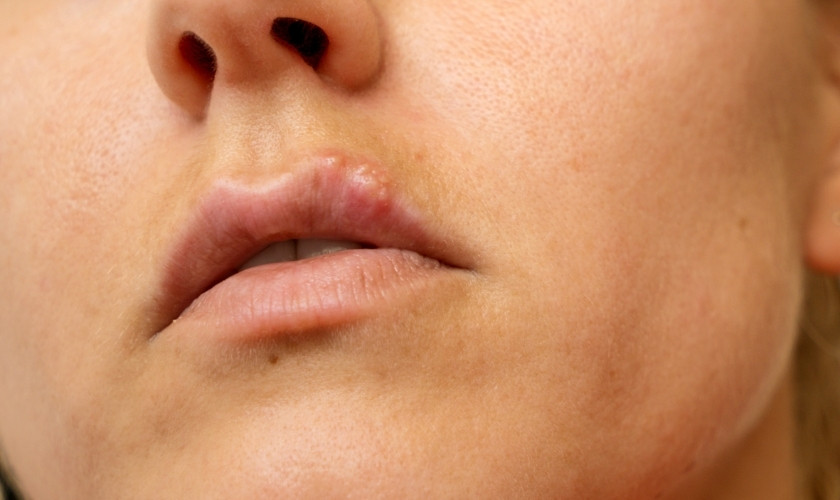
Cold sores (also called fever blisters) are caused by the Herpes Simplex Virus Type 1 (HSV-1). They are highly contagious and usually occur on or around the lips. They often start as tingling or burning sensations before turning into fluid-filled blisters.
Lip pimples, by contrast, are caused by blocked pores or hair follicles due to excess oil, dirt, or bacteria. They’re not contagious and can appear anywhere on the lips, edges, or chin area.
| Feature | Cold Sore | Lip Pimple |
|---|---|---|
| Cause | Herpes Simplex Virus (HSV-1) | Clogged pores or bacterial infection |
| Appearance | Cluster of blisters filled with clear fluid | Single red bump, sometimes with white pus |
| Location | Usually on the lip border | On the lip, lip line, or near the mouth |
| Pain Level | On the lip, lip line, or near mouth | Tender and sore to touch |
| Contagious | Yes | No |
| Healing Time | 7–10 days | 3–5 days |
Symptoms of a Cold Sore
Cold sores follow stages, which can help you identify them early:
- Tingling and itching: You might feel a burning or itchy sensation before the sore appears.
- Blistering: Small fluid-filled blisters form, often in clusters.
- Oozing: The blisters may break open and release fluid.
- Scabbing: A crust forms over the sore as it heals.
- Healing: The sore slowly fades without leaving a scar.
You may also experience mild fever, swollen lymph nodes, or sore throat if it’s your first outbreak.
Symptoms of a Lip Pimple
A pimple on the lip or a bump on the lip happens when oil glands at the lip border become blocked. This results in:
- A red bump with a white or yellow head (pus-filled).
- Pain or tenderness at the site.
- No fluid-filled clusters.
- Possible swelling if the pimple becomes infected.
Unlike cold sores, lip pimples don’t have tingling or burning sensations before they appear.
Causes of Lip Pimples and Cold Sores
Cold sores and lip pimples arise from entirely different underlying mechanisms, with cold sores stemming from a viral infection and lip pimples from localized skin issues.
Cold Sore Causes
Cold sores result from infection with the herpes simplex virus type 1 (HSV-1), which affects up to 90% of adults worldwide, though many remain asymptomatic. The virus spreads through close contact like kissing, sharing utensils, razors, or towels, or via oral sex, even without visible sores, since it sheds asymptomatically. Once contracted, HSV-1 lies dormant in facial nerve cells (trigeminal ganglion) and reactivates due to triggers such as stress, fatigue, fever, illness, sun exposure, hormonal changes (e.g., menstruation), or weakened immunity from conditions like HIV or chemotherapy.
Lip Pimple Causes
Lip pimples develop from clogged pores or hair follicles at the lip border, driven by excess sebum (oil), dead skin cells, bacteria (like Propionibacterium acnes), or dirt buildup.[ from prior context] Common triggers include hormonal fluctuations causing overactive oil glands, irritation from harsh toothpaste ingredients (e.g., sodium lauryl sulfate), heavy lip products or makeup, poor hygiene, food residue, or lip biting/chewing habits. Unlike cold sores, they involve no virus and stem purely from acne-like processes in the sensitive lip skin area.
How to Treat a Cold Sore
While there’s no cure for HSV-1, you can reduce symptoms and shorten healing time with proper care:
- Antiviral creams or pills: Apply antiviral ointments like acyclovir or take prescribed oral medication.
- Avoid touching: Touching the sore can spread the virus to other parts of your body.
- Cold compress: Helps reduce redness and irritation.
- Keep lips moisturized: Use lip balms with SPF to prevent cracks and further infection.
If you regularly get cold sores, consult your healthcare provider for antiviral suppressive therapy.
How to Treat a Lip Pimple
Lip pimples usually resolve on their own within a few days, but you can speed up healing using these steps:
- Gentle cleansing: Wash with mild soap and warm water twice a day.
- Avoid squeezing: Popping can worsen the infection and cause scarring.
- Use warm compresses: It helps reduce swelling and open clogged pores.
- Topical creams: Apply benzoyl peroxide or salicylic acid (avoid putting it directly on lips).
- Non-comedogenic products: Use lip care products labeled “oil-free” or “non-comedogenic.”
A white blemish on your lip may look alarming, but it often resolves with basic care and hygiene.
How to Prevent Lip Pimples and Cold Sores
Preventing lip pimples and cold sores involves targeted daily habits that address their distinct causes—viral triggers for cold sores and pore blockages for pimples—while promoting overall lip health.
Preventing Cold Sores
Avoid close contact like kissing or sharing utensils, lip balm, razors, or drinks during outbreaks, as the herpes simplex virus (HSV-1) spreads easily even before blisters appear. Use broad-spectrum SPF 30+ lip balm daily to block sun exposure, a common trigger, and apply it liberally before outdoor activities. Manage stress through exercise, sleep (7-9 hours nightly), and relaxation techniques, since fatigue, illness, or hormonal shifts like menstruation can reactivate the dormant virus.
Preventing Lip Pimples
Opt for non-comedogenic, oil-free lip products labeled “non-pore-clogging” to avoid trapping oil, bacteria, or dead skin in sensitive lip pores. Cleanse the lip area gently twice daily with a mild, fragrance-free cleanser, and never touch or pick at bumps to prevent bacterial spread from hands. Wash pillowcases, towels, and makeup brushes weekly, remove lip products before bed, and stay hydrated with 8+ glasses of water daily to flush toxins and balance skin oil.
Also Read: How to Get Rid of Bumps on the Tongue?
Professional Treatment Options
If you’re unsure what’s causing your bumped lip, professional examination is the safest choice. Dental professionals can identify whether you’re dealing with a viral blister, an acne lesion, or something else.
At our dental office in Portland, we use advanced diagnostic tools to spot early signs of oral infections and soft tissue concerns. Regular dental checkups can help catch underlying issues before they worsen.
If you’re concerned about your symptoms or want expert advice, you can easily book an Appointment with our experienced team at our Dental practice in Portland today.
FAQs
1. How long do cold sores last?
Cold sores typically last 7–10 days, from the initial tingling to complete healing. Antiviral treatments can shorten this period.
2. Can I pop a pimple on my lip?
No. Popping may worsen inflammation, push bacteria deeper, or cause a scar. Use gentle cleansing and warm compresses instead.
3. Are cold sores contagious?
Yes. Cold sores are caused by HSV-1, a contagious virus that spreads through saliva, kissing, or sharing personal items.
4. How can I tell if it’s a cold sore or a pimple?
Cold sores usually start with a tingling or burning sensation and form fluid-filled blisters. Pimples appear as individual bumps with white or yellow pus centers and no early warning signs.
5. Can toothpaste cause lip pimples?
Yes. Toothpaste ingredients like fluoride or Sodium Lauryl Sulfate (SLS) can irritate sensitive skin, leading to on-lip pimples or clogged pores.
6. Should I visit a dentist or dermatologist for lip bumps?
Both can help, but if the bump is near the mouth area, starting with your dentist is smart—they can rule out oral conditions and refer you to a dermatologist if needed.