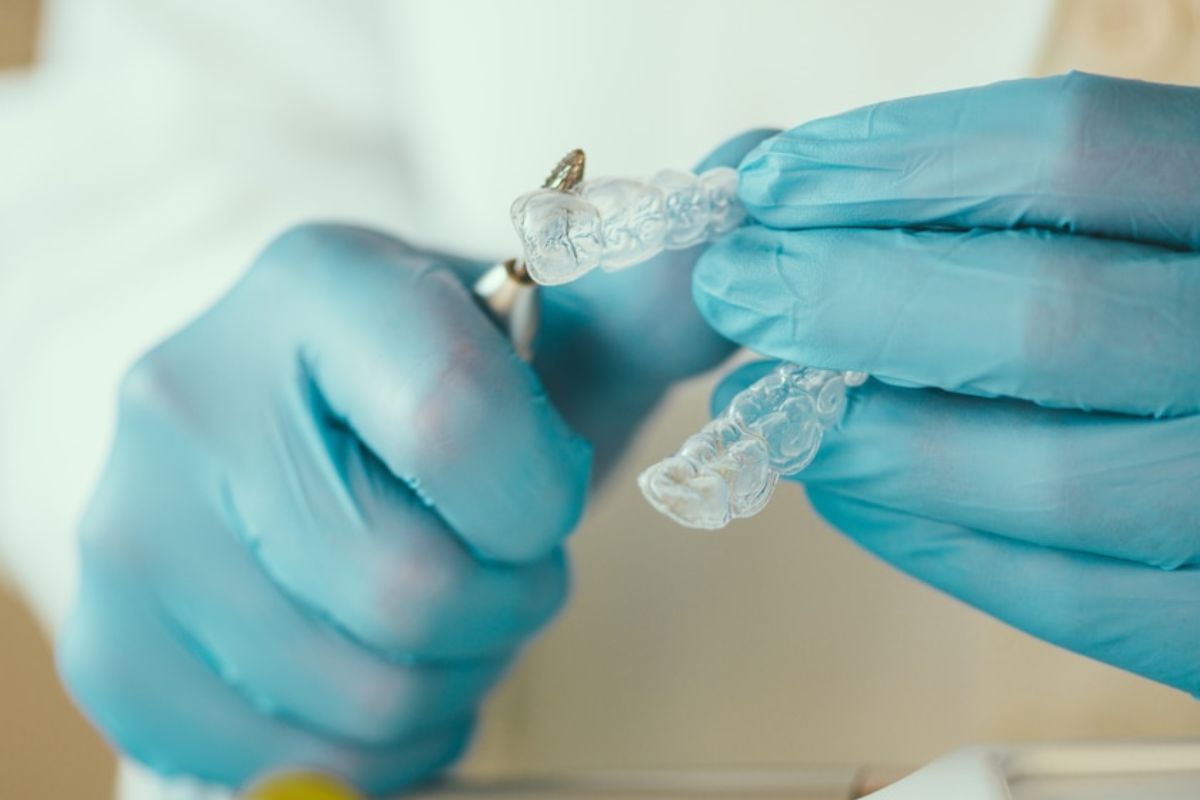



Straightening your teeth with Invisalign can improve your smile and oral health, but it does not make your teeth immune to cavities. Many patients are surprised to learn they can still develop tooth decay while wearing aligners. If you notice sensitivity, pain, or signs of a cavity during treatment, it is important to act quickly to protect both your teeth and your Invisalign progress.
At City Dental, we help patients in Portland maintain healthy smiles throughout orthodontic treatment by combining preventive care with personalized dental solutions. Understanding what to do when a cavity appears can help you avoid complications and keep your treatment on track.
Can You Get a Cavity While Wearing Invisalign?
Yes, cavities can develop even if you wear Invisalign aligners every day. Invisalign trays fit snugly over your teeth, which means food particles and bacteria can become trapped if your teeth are not cleaned properly before reinserting the trays.
Some common causes of cavities during Invisalign treatment include:
- Poor brushing or flossing habits
- Drinking sugary beverages while wearing aligners
- Skipping routine dental cleanings
- Wearing trays without cleaning your teeth first
- Dry mouth caused by aligners or dehydration
While Invisalign makes oral hygiene easier than traditional braces, patients still need a strong daily dental routine to prevent decay.
Signs You May Have a Cavity During Invisalign Treatment
Cavities often begin small, but they can worsen if ignored. Watch for these warning signs during treatment:
- Tooth sensitivity to hot, cold, or sweet foods
- Persistent toothache or discomfort
- White, brown, or dark spots on teeth
- Bad breath that does not improve
- Pain when chewing
- Increased sensitivity after removing aligners
If you experience any of these symptoms, contact our dentist promptly. Early treatment can prevent the cavity from becoming more serious.
What Should You Do If You Notice a Cavity?
1. Schedule a Dental Exam Quickly
The first step is to see your dentist for a professional evaluation. A cavity will not heal on its own, and delaying treatment may allow the decay to spread deeper into the tooth.
Patients searching for Invisalign services in Portland should choose a provider that also focuses on preventive and restorative dental care. This ensures your Invisalign treatment and cavity treatment work together smoothly.
2. Continue Wearing Your Aligners Unless Told Otherwise
Many patients assume they should stop wearing Invisalign trays after discovering a cavity, but that is usually unnecessary. In most cases, you should continue wearing your aligners as directed until your dentist advises otherwise.
Stopping treatment suddenly may cause teeth to shift backward, which can delay your progress and increase overall treatment time.
3. Maintain Excellent Oral Hygiene
Good oral hygiene becomes even more important when treating a cavity. Brush after every meal and floss carefully before putting your aligners back in.
Helpful hygiene tips include:
- Brush with fluoride toothpaste
- Use a soft-bristle toothbrush
- Clean aligners daily with approved products
- Rinse your mouth before reinserting trays
- Avoid sugary snacks and acidic drinks
These habits help reduce bacteria buildup and protect your teeth during treatment.
4. Follow Your Dentist’s Treatment Plan
The treatment for your cavity depends on how severe it is. Small cavities may only require a simple filling, while larger cavities may need more advanced treatment.
Common cavity treatments include:
- Tooth-colored fillings
- Dental crowns
- Root canal therapy for deep decay
- Fluoride treatments for early-stage decay
Your dentist will determine whether your aligners need temporary adjustments after treatment.
Will a Filling Affect Invisalign Treatment?
In most situations, a filling will not significantly affect your Invisalign progress. However, because aligners are custom-made to fit your teeth precisely, even small changes in tooth shape can impact the fit of your trays.
If a filling slightly changes the surface of your tooth, your dentist may need to:
- Adjust your aligners
- Trim the tray slightly
- Create refinement trays later in treatment
This is why it is important to work with a trusted Dental Practice In Portland that understands both restorative dentistry and Invisalign care.
How to Prevent Cavities While Using Invisalign
Preventing cavities during Invisalign treatment is easier than correcting them later. Simple daily habits can make a major difference.
Brush Every Time You Eat
Food trapped beneath aligners creates an ideal environment for bacterial growth. Always brush before putting trays back in your mouth.
Remove Aligners Before Drinking Sugary Beverages
Coffee, soda, sports drinks, and juice can increase cavity risk if consumed while wearing trays. Water is the safest drink to have with aligners in place.
Keep Your Aligners Clean
Dirty aligners can transfer bacteria back onto your teeth. Rinse and clean them regularly to maintain a healthier mouth.
Attend Routine Dental Visits
Regular checkups allow your dentist to detect cavities early, before they become painful or more expensive to treat.
If you want to learn more about our patient experiences, you can check our patient reviews to see how local families maintain healthy smiles throughout their Invisalign journey.
Can Invisalign Cause Cavities Directly?
Invisalign itself does not cause cavities. Cavities occur because of bacteria, plaque buildup, and poor oral hygiene habits. However, aligners can increase the risk if proper cleaning routines are ignored.
The good news is that Invisalign trays are removable, making brushing and flossing much easier compared to traditional braces. With proper care, most patients complete treatment without major dental issues.
When Should You Contact Your Dentist?
Do not wait until severe pain develops. Contact your dentist if you notice:
- Tooth pain lasting more than two days
- Visible dark spots or holes in teeth
- Aligners fitting differently suddenly
- Swelling or gum irritation
- Increased sensitivity while eating
Early intervention can prevent more extensive dental work and help keep your Invisalign treatment on schedule.
At City Dental, we provide comprehensive care for patients throughout Portland who want straighter smiles while protecting their long-term oral health. Whether you need preventive treatment, restorative care, or aligner support, timely dental care can help you continue your smile transformation confidently.
If you are experiencing tooth discomfort during treatment, visit our dental office for a professional evaluation and personalized care plan. Our experienced team can identify the issue, protect your smile, and help you stay on track with treatment goals. You can also book an appointment to address concerns before the problem becomes more serious.
Frequently Asked Questions
1. Can I continue Invisalign treatment if I have a cavity?
Yes, most patients can continue wearing aligners during cavity treatment unless the dentist recommends temporary adjustments for comfort or fit.
2. How do I know if my cavity is affecting my aligners?
You may notice tray discomfort, pressure changes, tooth sensitivity, or aligners not fitting properly around the affected tooth.
3. Can Invisalign trays spread bacteria?
Dirty trays can hold bacteria and plaque if not cleaned regularly, increasing the risk of cavities and gum irritation over time.
4. Do fillings change the fit of Invisalign trays?
Some fillings slightly alter tooth shape, which may affect tray fit. Dentists can often adjust trays or recommend refinements if needed.
5. Is it safe to wear Invisalign after a dental filling?
Most patients can safely continue wearing Invisalign after a filling once numbness or sensitivity decreases following treatment.
6. What foods increase cavity risk during Invisalign treatment?
Sugary snacks, soda, sports drinks, sticky candy, and acidic beverages can increase decay risk if teeth are not cleaned properly.
7. How often should Invisalign patients visit the dentist?
Routine dental checkups every six months help detect cavities early and ensure Invisalign treatment progresses without oral health issues.