

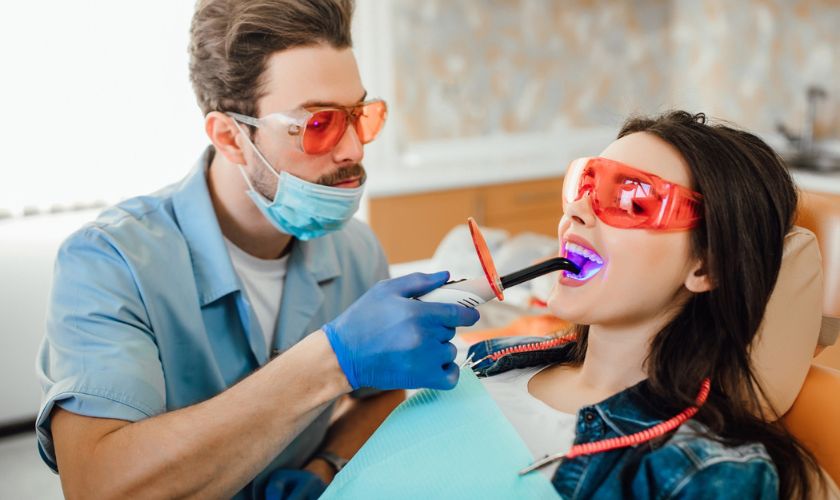
Teeth whitening is a popular cosmetic procedure that brightens smiles, and for many, it’s an essential part of their dental care routine. If you’re considering a teeth whitening treatment, you might be wondering Let’s dive into the facts, explore what happens during whitening treatments, and address concerns about sensitivity.
What Causes Sensitivity During Teeth Whitening?
Teeth whitening works by using bleaching agents to break down stains on your enamel. While these products effectively brighten your smile, they can temporarily increase tooth sensitivity for some people. Sensitivity occurs when the bleaching agents penetrate the enamel and reach the underlying layer, the dentin. This process can expose nerve endings and cause a tingling or painful sensation, especially in hot or cold temperatures.
In most cases, this sensitivity is temporary. Once your teeth acclimate to the treatment, the discomfort subsides. However, it’s crucial to consider your dental health history before opting for whitening treatments, as people with pre-existing sensitive teeth might experience more pronounced discomfort.
How Long Does Sensitivity Last?
For most individuals, any sensitivity from teeth whitening fades within a few days after the treatment. The discomfort is usually a result of the bleaching agents temporarily altering the enamel structure. To minimize this sensitivity, many people use special desensitizing toothpaste or adjust the frequency of whitening treatments. If you experience sensitivity lasting longer than a few days, you must consult your dentist.
Can Teeth Whitening Cause Permanent Sensitivity?
The short answer is no. Teeth whitening itself doesn’t cause permanent sensitivity. If you experience persistent discomfort could be a sign of an underlying issue with your teeth, such as gum recession or tooth decay. In rare cases, excessive whitening treatments or incorrect use of whitening products can damage the enamel, leading to more long-term sensitivity. However, with professional care and guidance, these issues are avoidable.
Tips to Avoid Sensitivity During Teeth Whitening
Consult Your Dentist: Before whitening your teeth, get a professional assessment. Your dentist can recommend the best treatment based on your oral health, ensuring it’s safe for you.
Avoid Overuse: Don’t overdo whitening treatments. Too many whitening sessions can irritate your teeth and gums. Follow the recommended schedule to prevent sensitivity.
Use Desensitizing Products: Ask your dentist about desensitizing toothpaste or gels, which help block the nerves from reacting to temperature changes.
Consider Custom Trays: For at-home treatments, custom-fit whitening trays from your dentist can ensure the even application of the whitening agent, reducing the chances of irritation.
Conclusion
Teeth whitening is a safe and effective way to enhance your smile; for most people, any sensitivity experienced is temporary. It’s essential to approach whitening with the proper precautions to avoid complications. If you’re concerned about tooth sensitivity or have experienced discomfort during previous whitening treatments.
Ready for a brighter smile? Talk to your cosmetic dentist today about the best teeth whitening options for you. They can help ensure you achieve the results you want while minimizing any potential discomfort. Don’t let sensitivity hold you back from feeling confident in your smile!