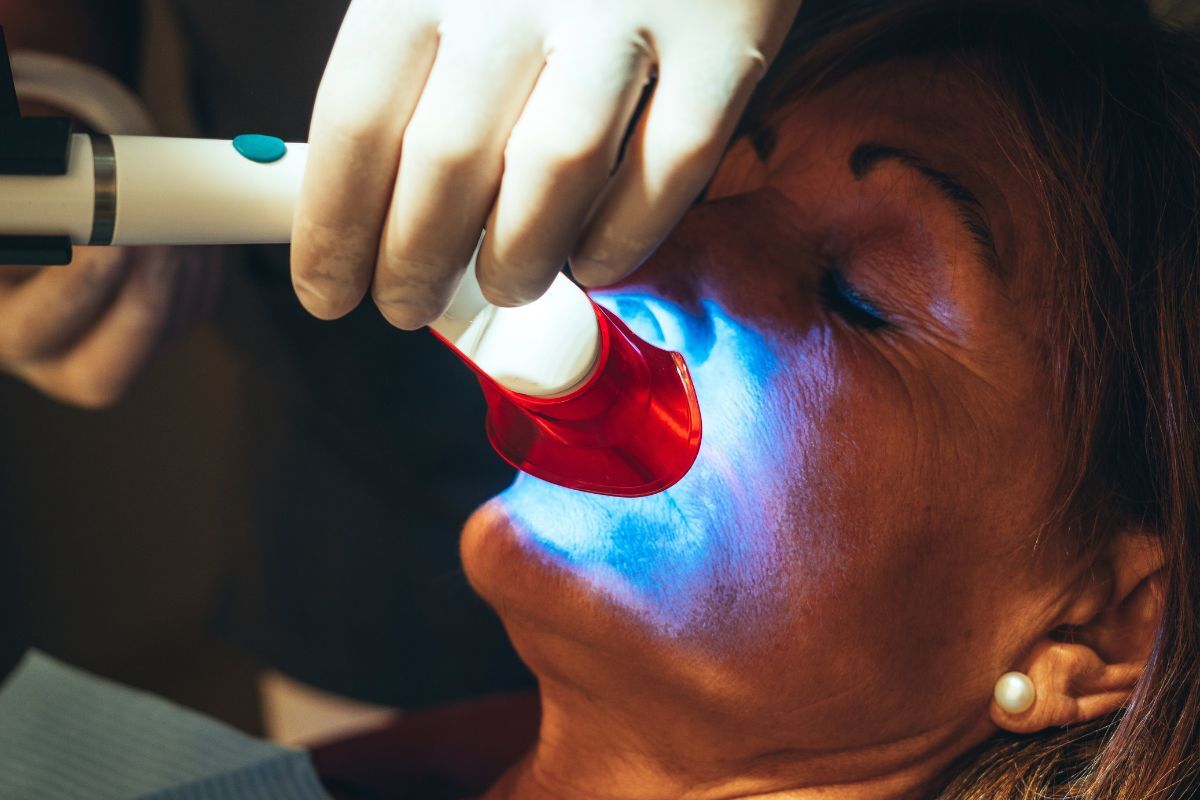


A brighter smile can boost confidence, improve first impressions, and help you feel better about your appearance. However, many people notice temporary tooth sensitivity after a whitening treatment. This discomfort is usually mild and short-lived, but knowing how to manage it can make the recovery process much easier. If you recently completed a whitening treatment or are planning one soon, understanding the right aftercare steps is important for protecting your smile.
At City Dental, patients often ask how they can reduce sensitivity while still enjoying the benefits of a whiter smile. Fortunately, there are several simple and effective ways to stay comfortable after professional teeth whitening in Portland.
Why Teeth Become Sensitive After Whitening
Teeth whitening products use active ingredients that penetrate the enamel to remove stains and discoloration. During this process, the tiny pores in the enamel temporarily open, which can expose the inner layer of the tooth and increase sensitivity to hot, cold, sweet, or acidic foods and drinks.
For most patients, sensitivity fades within a few days. Proper care during this time can help minimize discomfort and support long-lasting whitening results.
1. Use Toothpaste Designed for Sensitive Teeth
One of the easiest ways to reduce discomfort is by switching to toothpaste made specifically for sensitive teeth. These products contain ingredients that help block pain signals from reaching the nerves inside your teeth.
For best results, use the toothpaste consistently for several days before and after your whitening treatment. Avoid aggressive brushing, as this can irritate enamel and gums further. A soft-bristled toothbrush combined with gentle brushing motions can make a noticeable difference.
2. Avoid Extremely Hot or Cold Foods
After whitening, your teeth may react strongly to temperature changes. Ice cream, hot coffee, cold drinks, and soups can trigger discomfort during the first 24 to 48 hours.
Instead, choose foods and beverages that are lukewarm or room temperature. Soft foods like yogurt, mashed potatoes, scrambled eggs, oatmeal, and smoothies are often easier on sensitive teeth during this period.
Avoiding sudden temperature extremes allows your enamel time to recover naturally and reduces unnecessary irritation.
3. Stay Away from Acidic Foods and Drinks
Acidic foods can worsen sensitivity after whitening because they temporarily weaken enamel. Citrus fruits, soda, sports drinks, wine, and vinegar-based foods are common triggers that may increase discomfort.
Limiting acidic items for a few days after treatment can help your teeth recover more comfortably. Drinking plenty of water also helps rinse away acids and maintain a healthier oral environment.
Patients visiting a Dental Practice In Portland are often advised to follow a “white diet” immediately after whitening. This includes avoiding staining foods while also limiting acidic foods that may contribute to sensitivity.
4. Take Breaks Between Whitening Treatments
Overusing whitening products is one of the most common causes of prolonged tooth sensitivity. Whitening too frequently can irritate enamel and increase discomfort over time.
Always follow your dentist’s recommendations regarding treatment frequency. If you use at-home whitening strips or trays, avoid extending wear time beyond the instructions provided.
Professional whitening treatments are generally safer because they are monitored by trained dental professionals who can customize the process according to your sensitivity level and oral health needs.
At City Dental, personalized whitening plans help patients achieve brighter smiles while minimizing unnecessary irritation.
5. Use Fluoride Treatments for Extra Protection
Fluoride helps strengthen enamel and reduce tooth sensitivity. Many dentists recommend fluoride rinses, gels, or in-office fluoride applications after whitening treatments.
These products help remineralize the enamel and provide added protection against discomfort. Some patients may also benefit from calcium phosphate products that soothe sensitive areas and support enamel recovery.
If sensitivity lasts longer than expected, visiting your dental provider for an evaluation can help determine whether additional fluoride care or treatment adjustments are needed.
6. Give Your Teeth Time to Recover
In many cases, the best solution is simply allowing your teeth enough time to heal. Mild sensitivity after whitening is normal and usually temporary.
Avoid overexposing your teeth to whitening products, maintain good oral hygiene, and follow your dentist’s aftercare instructions carefully. Within a few days, most patients notice a significant improvement in comfort.
If sensitivity becomes severe or lasts more than a week, it could indicate underlying issues such as cavities, worn enamel, or gum recession that should be examined by a professional.
Additional Tips to Protect Your Smile After Whitening
Managing sensitivity is important, but maintaining your whitening results matters too. Here are a few extra habits that can help preserve your brighter smile:
- Drink staining beverages like coffee or tea through a straw
- Rinse your mouth with water after eating dark-colored foods
- Avoid tobacco products
- Brush and floss consistently every day
- Schedule regular dental cleanings
Patients looking for a long-lasting teeth whitening solution in Portland often benefit from combining professional whitening with strong daily oral care habits.
When to Contact Your Dentist
Although temporary sensitivity is common, you should contact your dentist if you experience:
- Sharp or severe pain
- Swelling or gum irritation
- Sensitivity lasting longer than one week
- Difficulty eating or drinking
Professional guidance can help identify the cause and ensure your whitening treatment remains safe and effective.
If you are considering whitening treatments, check our patient reviews to learn how professional care can improve comfort and results. Whether you want a brighter smile before a special event or simply wish to refresh your appearance, a trusted dental team can help you choose the safest treatment option.
For patients searching for a reliable, top-rated dental office in Portland, professional whitening treatments provide stronger and more predictable results compared to many over-the-counter products. To maintain healthy, comfortable teeth after whitening, regular exams and personalized care are essential.
If you are ready to improve your smile with professional whitening services, book an appointment with a trusted provider in Portland to discuss the best treatment for your needs.
Frequently Asked Questions
1. How long does tooth sensitivity last after whitening?
Most whitening sensitivity lasts between 24 and 72 hours. In some cases, mild discomfort may continue for several days, depending on the enamel condition and whitening strength.
2. Can whitening damage tooth enamel?
Professional whitening treatments are generally safe when used correctly. Problems usually occur when whitening products are overused or applied improperly.
3. Should I stop whitening if my teeth become sensitive?
If sensitivity becomes uncomfortable, pause treatment temporarily and speak with your dentist about adjusting the whitening schedule or using desensitizing products.
4. What foods should I avoid after whitening?
Avoid acidic, dark-colored, very hot, or very cold foods and drinks immediately after whitening to reduce irritation and prevent staining.
5. Is professional whitening better for sensitive teeth?
Professional treatments are often safer because dentists can customize the whitening strength and monitor your comfort throughout the procedure.
6. Can sensitive toothpaste help after whitening?
Yes, toothpaste made for sensitive teeth can help block discomfort signals and reduce irritation when used regularly before and after whitening.
7. Why are my gums irritated after whitening?
Gum irritation can happen if the whitening gel touches the soft tissues. This irritation is usually temporary and improves within a few days.