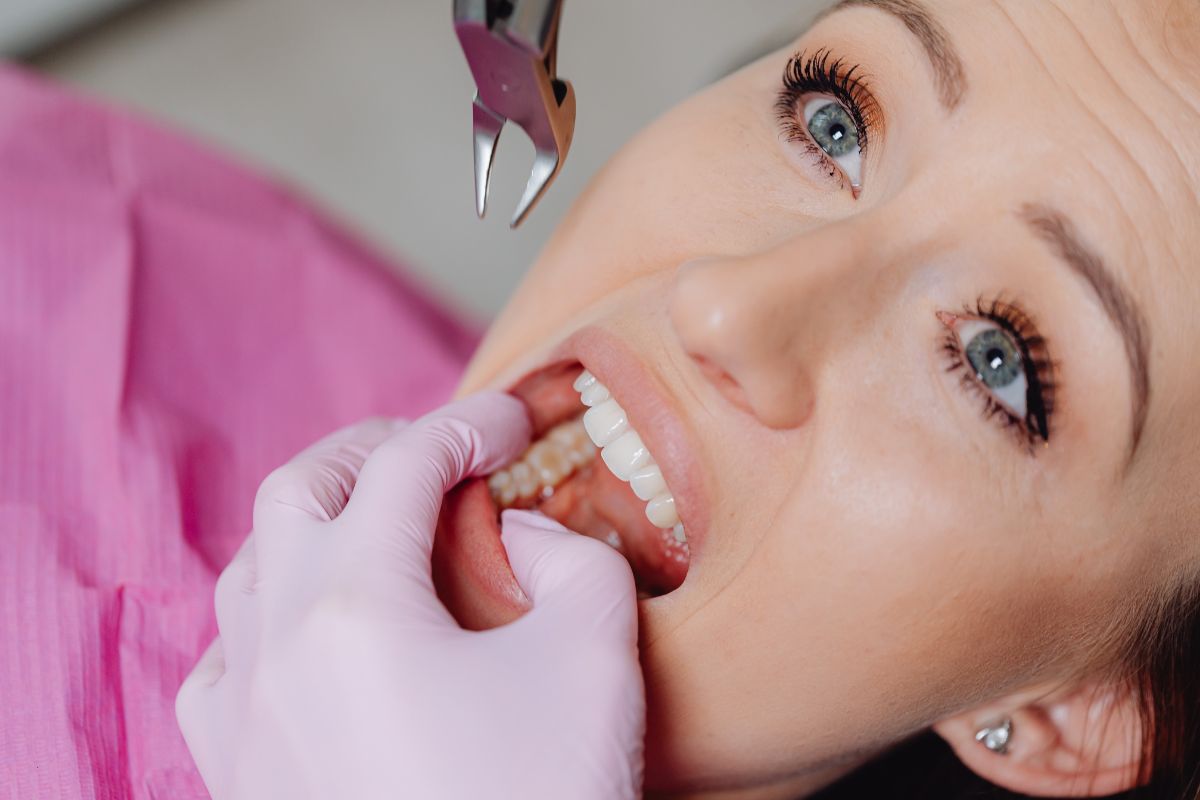

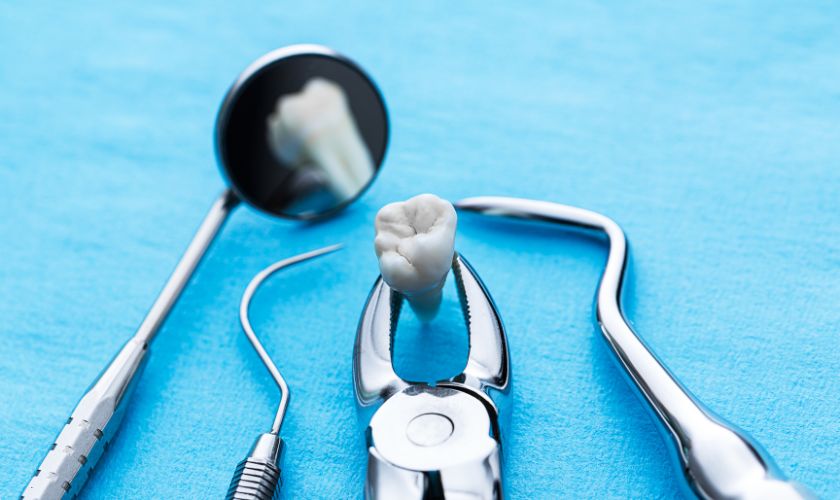
So you just had a tooth extraction, and your stomach’s rumbling. It’s natural to wonder, “Can I eat after a tooth extraction?” The answer is yes, but with some important caveats. The first 24 hours after the procedure are crucial for healing, so following a specific diet is essential. This guide will walk you through what to eat and avoid after a tooth extraction to ensure a smooth recovery.
The First 24 Hours: Focus on Hydration
Immediately following a tooth extraction, your dental provider will likely recommend waiting at least 24 hours before consuming anything solid. This allows the blood clot to form properly at the extraction site, which is vital for healing. Disrupting this clot can lead to a painful condition called dry socket.
During this initial period, prioritize staying hydrated. Here are some excellent options:
- Water: Plain water is your best bet. It keeps you hydrated and helps flush out any lingering anesthesia.
- Electrolyte drinks: If you experience nausea or dizziness after surgery, consider electrolyte drinks to replenish lost minerals.
- Clear broths: Warm broth can soothe a sore mouth and provide some essential hydration.
Soft Foods for Gentle Chewing (After 24 Hours)
Once the 24-hour mark has passed, you can gradually introduce soft foods back into your diet. The key is to choose foods that require minimal chewing and won’t irritate the extraction site.
Here are some excellent choices for the next few days:
- Mashed potatoes: Opt for creamy, well-mashed potatoes without chunky vegetables.
- Applesauce: Unsweetened applesauce is a great source of vitamins and is easy to swallow.
- Yogurt: Plain yogurt is a good source of protein and probiotics, which can aid healing. Choose varieties without granola or chunky fruit.
- Scrambled eggs: Soft, scrambled eggs are a protein-rich option that’s gentle on your mouth.
- Soups: Opt for creamy soups like cream of mushroom or tomato. Avoid chunky vegetable or noodle soups that require more chewing.
- Smoothies: Make smoothies with fruits, yogurt, or milk for a nutritious and refreshing meal.
Beyond the Basics: Other Safe Options
As your mouth heals, you can slowly incorporate other soft foods back into your diet. Here are some additional options to consider:
- Soft fruits: Ripe bananas, mangoes, and papayas are easy to chew and provide essential vitamins.
- Oatmeal: Cooked oatmeal provides complex carbohydrates and is a soothing breakfast option.
- Well-cooked pasta: Opt for soft pasta varieties like penne or macaroni, cooked until very tender.
- Well-cooked fish: Choose flaky fish like salmon or cod that’s easy to break down with minimal chewing.
- Soft cheeses: Cottage cheese and ricotta cheese are good sources of protein and calcium and require minimal chewing.
Foods to Avoid After a Tooth Extraction
While your mouth heals, certain foods can irritate the extraction site and delay healing. Here are some foods to strictly avoid:
- Hard or crunchy foods: These can dislodge the blood clot, so avoid chips, nuts, popcorn, pretzels, and raw vegetables.
- Spicy foods: Spicy foods can irritate the extraction site and cause discomfort.
- Acidic foods: Citrus fruits, tomatoes, and other acidic foods can cause stinging and inflammation.
- Sticky foods: Candies, caramels, and sticky fruits can adhere to the extraction site and irritate it.
- Hot beverages: Avoid very hot drinks that can irritate the extraction site.
- Drinks with alcohol or carbonation: These can irritate the wound and delay healing.
General Tips for Eating After a Tooth Extraction
- Start slow and chew carefully: It’s best to introduce new foods gradually and chew them thoroughly with the opposite side of your mouth from the extraction site.
- Maintain good oral hygiene: Continue brushing and flossing gently, but avoid the extraction site.
- Use a cool compress: Apply a cool compress to the outside of your cheek to reduce swelling.
- Listen to your body: If you experience any pain or discomfort while eating, stop and consult your dentist.
Consult Our Expert for Personalized Advice:
While this blog provides a general guide, it’s crucial to consult with your dentist for specific instructions after your tooth extraction process. They can provide personalized recommendations based on the complexity of the procedure and your individual needs.
Following your dentist’s advice and choosing the right foods will ensure a smooth and comfortable recovery after your tooth extraction.