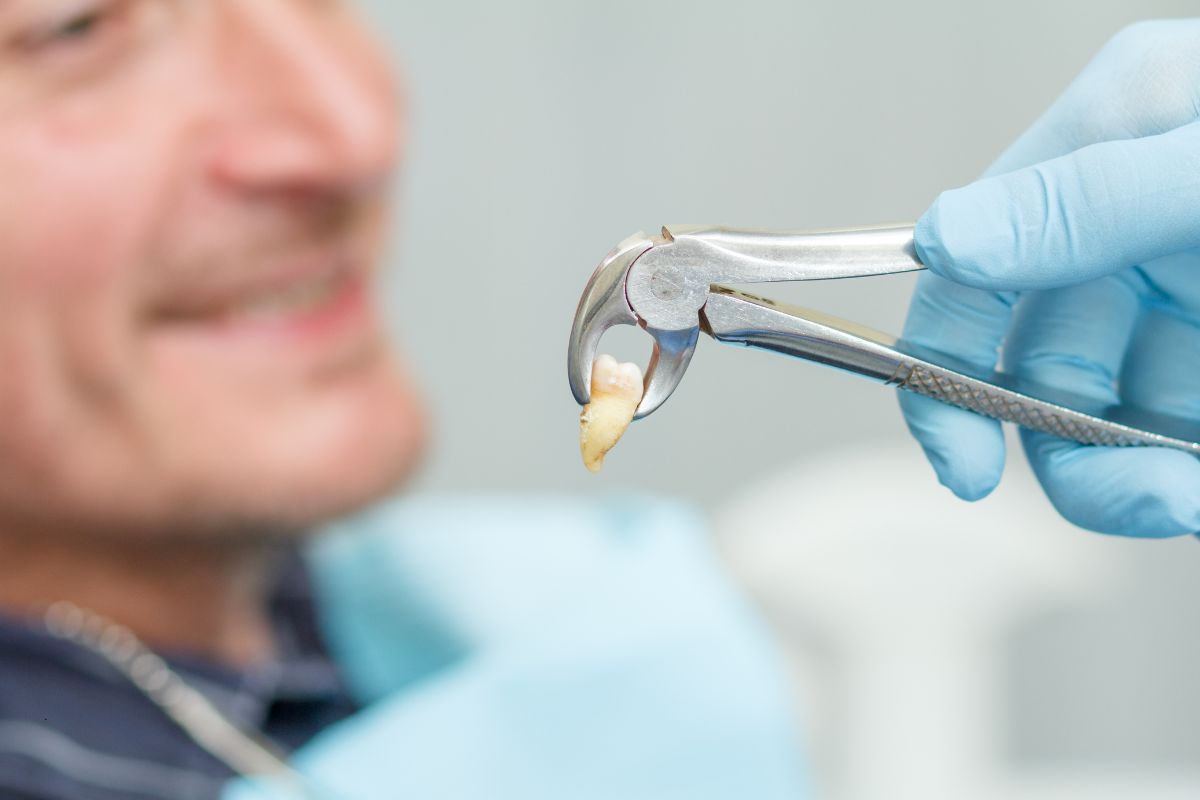


Tooth extractions are standard dental procedures that many individuals experience at least once in their lifetime. The need for an extraction can arise for various reasons, whether due to decay, trauma, or overcrowding. While the procedure itself may only take a short time, healing afterward is a process that requires patience and care.
Understanding the healing process can help ensure a smooth recovery for those considering or preparing for tooth extraction. Consulting a reliable Portland dentist can help you confidently navigate the experience if you’re concerned about your oral health.
The Tooth Extraction Procedure:
Tooth extraction is removing a tooth from its socket in the bone. This can be necessary for several reasons, including severe tooth decay, infection, or orthodontic reasons like overcrowding. Before the procedure begins, your dental practitioner will numb the area around the tooth with a local anesthetic to prevent pain.
In some cases, especially with complex extractions, sedation may be used to ensure patient comfort. Once numb, the dentist carefully loosens the tooth using specialized instruments. If the tooth is impacted, the dentist may make small incisions in the gum. After loosening the tooth, they will remove it from the socket.
While the extraction procedure is straightforward, healing is crucial for long-term oral health. The extraction site needs time to close and heal to prevent complications like dry sockets or infection.
Healing Time After Tooth Extraction:
Healing after a tooth extraction typically occurs in stages. Here’s a general timeline to guide you through what to expect:
First 24 hours: The initial clotting period begins. It’s essential to keep the area clean and avoid disturbing the clot that forms over the extraction site. Bleeding should be reduced, but minor oozing is normal.
Days 2-3: Swelling and discomfort peak but should start to subside. Ice packs can help reduce swelling, and over-the-counter pain medications can help manage discomfort.
Day 7: By the end of the first week, much of the swelling and tenderness should have decreased. The initial healing should be well underway. Your dental practitioner may schedule a follow-up visit to ensure the site is healing properly.
2-3 weeks: Soft tissues should heal completely, though it may take longer depending on the complexity of the extraction and the healing capacity.
Months 3-4: Full bone healing may take several months, but most individuals fully recover in a few weeks to a few months.
Proper care during this healing phase, including gentle cleaning around the area and following your dentist’s aftercare instructions, will ensure a smooth recovery.
Wisdom Tooth Removal:
Wisdom tooth extractions are a more complex type of tooth extraction, often due to the location and positioning of these teeth. Wisdom teeth, or third molars, usually appear between 17 and 25. For some, these teeth can grow without issue. However, many individuals experience impacted or misaligned wisdom teeth, leading to infection, crowding, or damage to neighboring teeth.
When healing after an extraction, the timeline is often similar to that of regular teeth removal. Still, the recovery period may be longer due to the complexity of the procedure. Swelling, bruising, and pain are more common after the extraction of the wisdom tooth. It’s essential to rest, follow a soft-food diet, and avoid activities like smoking or using straws.
These can dislodge the blood clot and lead to complications like dry sockets. Most patients start feeling better after a few days, but complete healing can take up to a month. Complications like infection or dry socket can extend the healing process. To minimize risks, follow all post-procedure instructions provided by your dental practitioner.
Tips for a Faster Recovery:
Follow the Advice of the Dentist: Stick to the aftercare instructions, including rinsing with salt water and taking prescribed medications.
Rest and elevate your head: This reduces swelling and promotes healing.
Avoid disturbing the clot: Don’t use straws, smoke, or eat hard foods that can interfere with healing.
Eat soft foods: Gradually reintroduce regular foods as healing progresses, but begin with soft items like soups, yogurts, and smoothies.
Stay hydrated: Drinking plenty of fluids helps promote overall healing.
Healing after tooth extraction varies for each individual and depends on the complexity of the procedure. However, with the proper care and following instructions, most people recover within a few weeks. Whether you’re having a routine tooth extraction or something more complex like a wisdom tooth removal, it’s essential to be informed.
Your dental practitioner is critical to ensuring your comfort and a successful recovery. City Dental in Portland offers comprehensive care if you need reliable advice or care regarding tooth extractions. Schedule an appointment today to get guidance for a smooth healing process.
If you are considering braces treatment or need help with tooth extraction, don’t hesitate to consult our experts. Please schedule an appointment today with us for personalized care and treatment options.