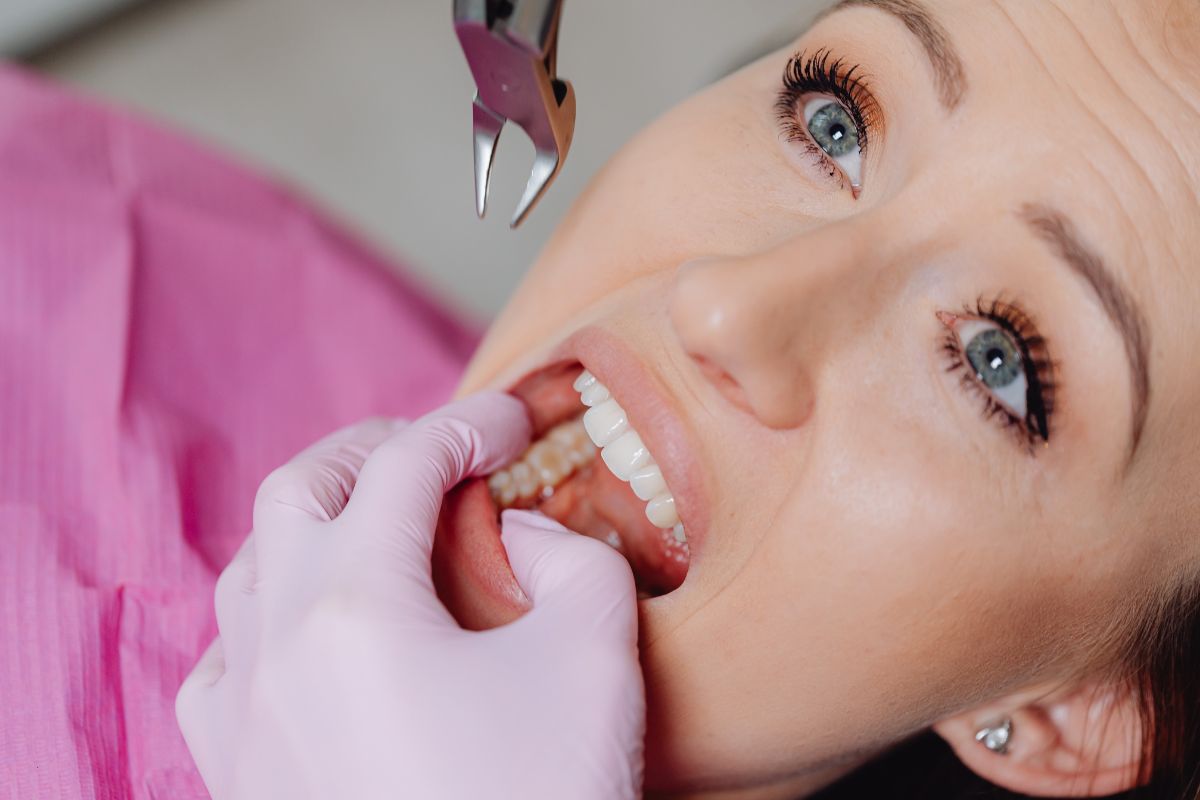

A tooth extraction treatment is one of the most common dental procedures, often performed to relieve pain, prevent infection, or create space for orthodontic corrections. While the procedure itself is usually quick and performed under anesthesia, the real success of an extraction depends on proper aftercare. How you care for your mouth in the hours and days following extraction can drastically affect recovery, comfort, and long-term oral health.
This guide will take you through everything you need to know about aftercare tooth extraction, from pain management strategies and dietary adjustments to warning signs and dental follow-up.
Why Aftercare is So Important
After tooth removal, the body naturally begins the healing process by forming a blood clot in the socket where the tooth once was. This clot protects the underlying bone and nerves while tissue regenerates. If disrupted, complications such as “dry socket” can occur – an extremely painful condition that delays recovery.
Proper aftercare ensures:
- Faster healing
- Reduced risk of infection
- Minimized discomfort
- Preservation of the surrounding teeth and gums
Immediate Aftercare Tooth Extraction Tips
1. Control Bleeding
Bite down gently yet firmly on the gauze provided by your dentist for 30–45 minutes to allow clotting. If bleeding continues, replace the gauze with a fresh one. Avoid spitting or using a straw, as suction can disturb the clot formation.
2. Manage Pain and Swelling
It’s common to experience swelling within the first 24–48 hours. Cold compresses applied in 15-minute intervals can help control swelling. Over-the-counter or prescribed pain medications can ease discomfort.
3. Rest and Recovery
Avoid strenuous activity for the first 24 hours after extraction. Physical exertion may increase blood flow and disrupt the clot. Instead, sit upright when resting; this promotes faster clotting and healing.
What to Eat After Tooth Extraction
Your diet plays a crucial role in recovery. In the first 24–48 hours, prioritize soft, cool foods such as:
- Applesauce
- Mashed potatoes
- Yogurt
- Smoothies (without a straw)
- Oatmeal
After a few days, you can gradually introduce semi-soft foods like scrambled eggs or pasta. Avoid hot, spicy, crunchy, and chewy foods for at least a week to prevent irritation or dislodging the clot.
Oral Hygiene After Tooth Extraction
Keeping your mouth clean without disturbing the healing site is essential. Here’s how to do it safely:
- Day 1: Avoid brushing the extraction site, but continue brushing other teeth gently.
- Day 2 and beyond: Gently rinse with warm salt water (½ teaspoon salt in 8 oz. water) after meals to reduce bacteria and promote healing.
- Avoid commercial mouthwash in the early stage, as alcohol-based rinses can delay healing.
Do’s and Don’ts of Tooth Extraction Aftercare
Do:
- Keep your head slightly elevated while resting.
- Drink plenty of water and stay hydrated.
- Follow your dentist’s medication guidelines.
Don’t:
- Smoke or use tobacco during recovery (increases risk of dry socket).
- Touch the extraction site with your fingers or tongue.
- Skip meals – nutritional support aids healing.
Healing Timeline
- First 24 hours: Clot formation and initial swelling.
- 2–3 days: Swelling subsides; discomfort reduces.
- 1 week: Gum tissue begins to close over the site.
- 2 weeks: Soft tissue nearly healed.
- 4–6 weeks: Bone tissue begins to regenerate beneath the gum.
If your healing seems delayed or pain worsens instead of improving, contact your dentist promptly.
When to Call Your Dentist
Minor pain and swelling are expected, but you should seek dental attention if you experience:
- Severe or persistent pain beyond 3 – 4 days
- Excessive bleeding
- Signs of infection (fever, foul taste, pus discharge)
- Numbness or tingling that doesn’t resolve
Early treatment of complications prevents long-term oral health issues.
Final Thoughts
Recovering from a tooth extraction doesn’t have to be difficult if you follow the right aftercare steps. From managing swelling to making smart dietary choices, small actions can make a huge difference in your comfort and healing time. If complications arise, never hesitate to consult your dentist promptly.
If you’ve been told you need a tooth extraction treatment or want professional advice about your recovery process, our caring dental team is here to help. Don’t delay your oral health – book an appointment today to ensure a smooth recovery and a healthier smile tomorrow.
FAQs
1. How long should I keep gauze in after extraction?
Typically, you should keep gauze in place for 30–60 minutes to help form a clot. Replace it if bleeding continues, but do not chew on the gauze.
2. Can I brush my teeth after a tooth extraction?
Yes, but avoid brushing the extraction site for the first 24 hours. Resume gentle brushing around the area after day two.
3. How long does it take to recover fully from a tooth extraction?
Most people feel better within 3–5 days, but complete healing of the gums and bone can take several weeks.
4. Is it normal to have swelling after tooth extraction?
Yes. Swelling peaks within the first 48 hours and should begin to improve after that. Cold compresses help reduce swelling.
5. Can I drink coffee after an extraction?
It’s best to avoid hot drinks for at least 24–48 hours, as heat can dissolve the clot and delay healing.
6. What is dry socket, and how can I prevent it?
Dry socket occurs when the blood clot dislodges too early, exposing the bone and nerves. You can prevent it by avoiding smoking, straws, spitting, or vigorous rinsing during the first week.
7. Should I schedule a follow-up visit after extraction?
Yes. Your dentist may recommend a follow-up appointment to ensure healing is progressing normally and address any concerns.