

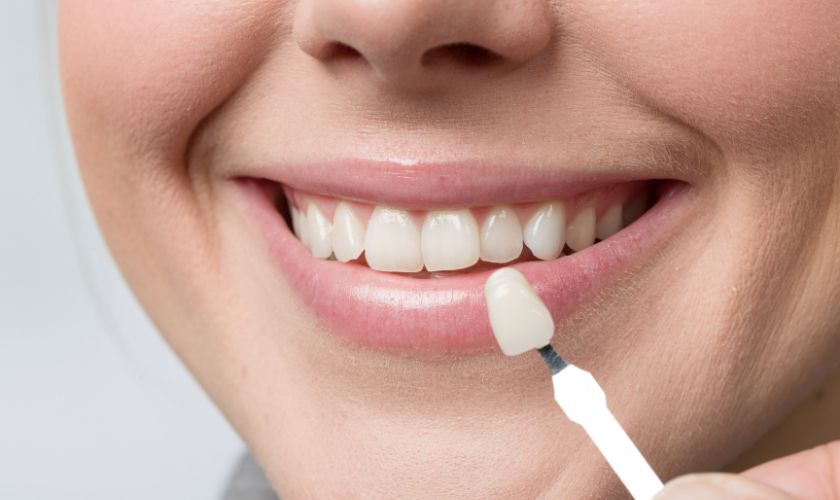
Dental veneers are one of the most popular cosmetic dentistry solutions for creating a brighter, straighter, and more balanced smile. Whether you want to cover stains, fix uneven edges, or close small gaps, veneers can transform your appearance quickly and effectively.
Understanding the lifespan of veneers helps you make a smarter investment in your smile. In this guide, we’ll explore how long veneers typically last, what affects their durability, how to make them last longer, and what to expect when they eventually need replacement.
Average Lifespan of Veneer Teeth
| Type of Veneer | Average Lifespan |
|---|---|
| Porcelain Veneers | 15–20 years |
| Composite Veneers | 7–10 years |
| No-Prep Veneers | 10–15 years |
Porcelain veneers are known for their strength, stain resistance, and natural appearance, which is why they tend to last the longest. Composite veneers are more affordable, but they are not as durable and usually need to be replaced sooner.
What Affects How Long Veneers Last?
Several factors determine how long your veneer teeth will last:
1. Quality of Materials
High-quality porcelain veneers crafted in a professional lab tend to last longer and look more natural. The skill of the dental technician also plays a role in durability and fit.
2. Dentist’s Expertise
The precision with which veneers are placed has a major impact on their lifespan. A skilled and experienced dentist near you ensures the veneers bond correctly and fit seamlessly with your bite.
3. Oral Hygiene
Brushing, flossing, and routine dental visits keep your natural teeth and gums healthy. Veneers rely on the underlying tooth structure, so decay or gum disease can shorten their lifespan.
4. Bite and Habits
Grinding, clenching, biting on hard objects, or using your teeth as tools can cause veneers to crack or loosen over time.
5. Diet and Lifestyle
Consuming excessive amounts of coffee, red wine, and acidic foods can affect veneers, especially composite ones. Smoking can also stain the edges of veneers and weaken the bond.
How to Make Veneer Teeth Last Longer
The good news is that you can significantly extend the life of your veneers by following proper veneer aftercare and healthy habits.
Maintain Excellent Oral Hygiene
Brush twice a day using a non-abrasive toothpaste and floss daily. While veneers cannot decay, the teeth beneath them can.
Avoid Hard and Sticky Foods
Chewing ice, hard candy, or sticky treats can stress veneers and cause damage.
Wear a Night Guard
If you grind your teeth at night, a custom night guard can protect both your veneers and natural teeth.
Visit Your Dentist Regularly
Routine cleanings and exams allow your dentist to check the condition of your veneers and catch any problems early.
Avoid Using Teeth as Tools
Don’t open packages, bite fingernails, or tear tape with your teeth. These habits may seem harmless but can cause serious veneer damage.
Common Reasons Veneers Fail and How to Spot Issues
Even durable veneers wear out. Watch for these red flags:
- Chipping or Cracking: Often from trauma or grinding. Minor chips can be repaired; major ones require replacement.
- Debonding: The veneer loosens due to weak cement or decay underneath. Sensitivity or gaps signal trouble.
- Staining or Discoloration: Composites yellow faster; porcelain resists, but cement lines may show.
- Gum Recession: Exposed roots weaken support, risking veneer loss.
- Secondary Decay: Bacteria sneak under edges if hygiene slips.
Early detection via biannual checkups prevents bigger problems. X-rays spot hidden issues.
Veneer Aftercare: Your Roadmap to Maximum Durability
Proper veneer aftercare is non-negotiable for longevity. Treat them like natural teeth—but with extra TLC.
Daily Routine
- Brush twice daily with a soft-bristled toothbrush and non-abrasive, fluoride toothpaste.
- Floss nightly to clean between veneers.
- Use an antiseptic mouthwash to reduce bacteria.
Lifestyle Adjustments
- Avoid biting hard objects (pens, nails, ice).
- Limit staining culprits: coffee, tea, red wine—rinse after.
- Quit smoking; it dulls shine and weakens bonds.
- Wear a custom nightguard if you grind.
Professional Maintenance
- Schedule cleanings every 6 months.
- Annual exams check bones and bite.
- Polishing restores luster without grinding.
Follow this, and your veneers could outlast expectations.
Comparing Veneer Types for Longevity
| Veneer Type | Average Lifespan | Pros | Cons | Best For |
|---|---|---|---|---|
| Porcelain | 10-15+ years | Stain-resistant, natural look | Higher cost, irreversible | Front teeth, full smiles |
| Composite Resin | 5-7 years | Affordable, single-visit | Prone to stains/chips | Budget fixes, single teeth |
| Zirconia | 15-20 years | Ultra-strong, durable | Less translucent | High-bite-force patients |
Porcelain wins for most, but consult a pro for your needs.
Are Veneers a Long-Term Solution?
Yes, veneers are considered a long-term cosmetic dental treatment. However, they are not permanent in the sense that they never need to be replaced. Over time, the bonding material may weaken, or the veneers may wear down. When this happens, your dentist can remove and replace them with new ones.
Since a small amount of enamel is usually removed to place veneers, you will always need some type of covering on those teeth in the future, either new veneers or another restoration.
Do Veneers Feel Like Natural Teeth?
Once placed, veneers feel just like your natural teeth. Most patients forget they even have them after a short adjustment period. They are smooth, comfortable, and allow you to eat and speak normally.
If your veneers ever feel bulky, rough, or uncomfortable, it’s important to have them adjusted to prevent damage or irritation.
Are Veneers Worth the Investment?
When you consider their durability, natural appearance, and dramatic cosmetic improvement, veneers are often a worthwhile investment. A beautiful smile can boost confidence, improve social interactions, and even enhance professional opportunities.
If you’re thinking about veneers and want personalized advice, visiting our dental practice in Portland can help you determine if this treatment is right for you.
When Should You Replace Veneers?
There’s no fixed timeline, but most people replace porcelain veneers every 10–20 years. Replacement becomes necessary when veneers become worn, damaged, or no longer match the surrounding teeth.
A dental professional can assess your veneers during routine checkups and recommend the best time for replacement.
Getting Started With Veneers
The process of getting veneers usually involves a consultation, tooth preparation, impressions, and placement. The entire process can often be completed in just a few visits.
If you’re ready to improve your smile, don’t hesitate to book an appointment with a qualified dentist who can guide you through your options and create a customized treatment plan.
Frequently Asked Questions
- How long do veneer teeth last on average?
Porcelain veneers typically last 10-15 years, while composites last 5-7 years, depending on care and habits. - Can veneers last a lifetime?
No, but with excellent maintenance, some porcelain veneers exceed 20 years. They’re not permanent like natural teeth. - What shortens veneer lifespan the most?
Teeth grinding (bruxism), poor oral hygiene, and hard/acidic foods top the list. - Do veneers stain over time?
Porcelain resists stains well, but edges may darken if cement degrades. Composites stain easier—avoid dark beverages. - How do I care for veneers daily?
Brush with soft bristles, floss, use fluoride toothpaste, and rinse after staining foods. Nightguards prevent grinding. - Are veneer replacements painful?
Minimally invasive—often no anesthesia needed if original prep suffices. Healing takes days. - What’s the best veneer material for longevity?
Porcelain (lithium disilicate) offers the best balance of strength, aesthetics, and durability.