

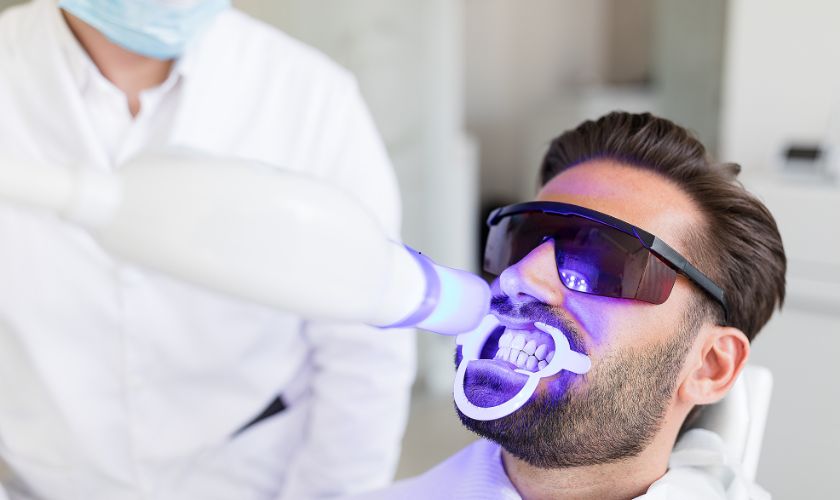
A bright smile boosts your confidence and leaves a lasting impression. However, when it comes to professional teeth whitening, many wonder if this treatment can help protect their teeth against cavities. While teeth whitening can significantly enhance the appearance of your smile, it doesn’t directly protect against tooth decay. Let’s break down the facts to clarify what professional teeth whitening can and cannot do for your dental health.
What Does Teeth Whitening Do?
Professional teeth whitening, such as the services offered by many dental clinics, aims to remove stains and discoloration from the teeth. It uses a more potent whitening agent than over-the-counter products, ensuring more noticeable results in less time. However, while teeth whitening can give you a stunning, bright smile, it focuses only on aesthetics. The procedure doesn’t alter the structure or health of your teeth in any way.
If you’re looking for teeth whitening in Portland, it’s important to remember that while it can remove surface stains caused by coffee, tea, smoking, or aging, it doesn’t address the underlying health of your teeth.
Teeth Whitening and Tooth Decay: What’s the Connection?
Maintaining a healthy oral hygiene routine is the key to protecting your teeth from cavities. Cavities occur when harmful bacteria in your mouth feed on sugar and acids, producing plaque that eats away at the tooth enamel. Whitening treatments primarily focus on the surface of your teeth and don’t strengthen enamel or provide protection against plaque buildup.
Although whitening agents can remove surface stains, they cannot prevent or reverse decay. This means that while your teeth may look dazzling after a whitening session, they’re still vulnerable to the same risks of tooth decay as before. The most effective way to protect against cavities is by brushing with fluoride toothpaste, flossing, and visiting your dentist regularly for checkups and cleanings.
Does Whitening Cause Damage to Enamel?
Some worry that professional teeth whitening might harm their enamel and increase the risk of cavities. While there’s no direct evidence that whitening treatments cause lasting damage, excessive use of specific products or improper application could lead to tooth sensitivity or even weaken enamel over time. That’s why it’s always a good idea to seek professional teeth whitening services rather than over-the-counter products.
A professional dental expert will ensure that your whitening treatment is done safely, minimizing the risks of tooth sensitivity or enamel damage. With the proper precautions, whitening won’t damage your enamel but rather enhance the look of your smile.
How to Protect Your Teeth After Whitening
If you’ve recently undergone professional teeth whitening, it’s essential to take steps to maintain the results while protecting your teeth from future decay. Here are a few tips:
- Brush Regularly: Brushing your teeth twice daily with fluoride toothpaste is crucial for keeping your teeth strong and cavity-free.
- Floss Daily: Flossing helps remove food particles and plaque between your teeth, areas that your toothbrush can miss.
- Limit Sugary Foods: Sugar fuels bacteria that cause cavities, so try to reduce your intake of sugary snacks and drinks.
- Use a Soft Brush: Brushing too hard can harm your enamel, so always use a soft-bristled toothbrush.
- Regular Dental Visits: Keep up with regular dental checkups and cleanings to ensure your teeth stay healthy and cavities stay at bay.
Conclusion:
While professional teeth whitening can make your smile brighter and more attractive, it does not provide direct protection against cavities. Keep your teeth healthy and cavity-free, maintain good oral hygiene, limit sugary foods, and visit your dentist regularly. Teeth whitening is an excellent cosmetic treatment but should be part of a comprehensive oral care routine.
Ready to brighten your smile? Schedule your professional teeth whitening appointment today with our expert team! Let us help you achieve a whiter, healthier smile. Visit our dental office in Portland and discover the difference.