

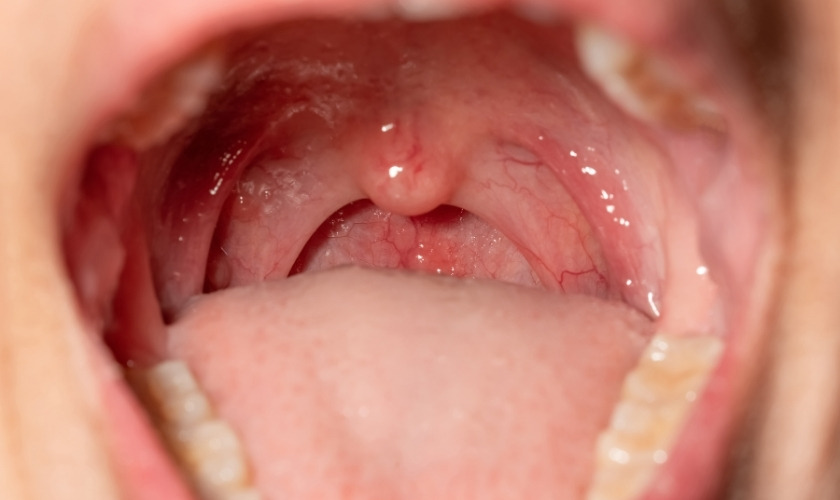
Finding a bump on the roof of your mouth can be surprising—and a little scary. Your tongue naturally explores sore or unusual spots, so even a small change can feel alarming. The good news is that most bumps in this area are harmless and temporary. Still, some causes do need professional attention. Understanding why these bumps form can help you decide when to wait it out and when to see a dentist.
In this guide, we’ll break down the most common causes, symptoms to watch for, and when it’s time to seek care.
Common Causes of Bumps on the Roof of the Mouth
1. Mouth Ulcers (Canker Sores)
Canker sores are small, round, and often painful ulcers that can appear anywhere inside the mouth, including the palate. They’re usually triggered by stress, minor injuries, acidic foods, or vitamin deficiencies. While uncomfortable, they typically heal on their own within one to two weeks.
2. Torus Palatinus (Bony Growth)
A hard bump on roof of mouth may actually be a natural bony growth called torus palatinus. This condition is harmless, non-cancerous, and often genetic. Many people have it without realizing it unless it grows large enough to be felt. Treatment is rarely needed unless it interferes with speech, eating, or dentures.
3. Burns from Hot Foods
Pizza, coffee, or soup that’s too hot can burn the roof of your mouth, leading to swelling or blister-like bumps. This type of roof of mouth bump usually feels sore for a few days and heals naturally once the tissue recovers.
4. Allergic Reactions or Irritation
Certain foods, dental products, or even sharp foods like chips can irritate the soft tissue. This irritation can cause redness, swelling, or a painful bump on the roof of the mouth that improves once the irritant is removed.
5. Oral Infections
Viral, bacterial, or fungal infections can also lead to bumps. For example:
- Oral thrush causes creamy white patches and mild swelling.
- Cold sores (HSV-1) can sometimes affect the roof of the mouth.
- Bacterial infections may cause localized swelling with tenderness.
These often require professional treatment to fully resolve.
6. Mucocele (Blocked Salivary Gland)
A mucocele forms when a salivary gland becomes blocked or damaged, leading to a fluid-filled bump. While more common on the lips, they can occasionally appear on the palate. They’re usually painless but may feel odd or annoying.
7. Trauma or Injury
Accidentally poking the roof of your mouth with a fork, toothbrush, or hard food can cause inflammation and a temporary bump on the roof of your mouth. These usually heal within a few days.
Could It Be Something More Serious?
In rare cases, persistent or growing bumps may signal a more serious issue, such as oral cancer or a deep infection. Warning signs include:
- A bump that doesn’t heal after two weeks
- Rapid growth or changes in color
- Bleeding without cause
- Numbness or difficulty swallowing
If you notice any of these symptoms, it’s important to see an experienced dentist near Portland area as soon as possible for a proper evaluation.
How Are Bumps on the Roof of the Mouth Treated?
Treatment depends entirely on the cause:
- Home care for minor burns or irritation (saltwater rinses, avoiding hot/spicy foods)
- Medicated mouth rinses or antifungals for infections
- Monitoring for harmless bony growths
- Dental or medical treatment for persistent or painful cases
A professional exam ensures you get the right treatment and peace of mind.
When Should You See a Dentist?
You should schedule a dental visit if:
- The bump lasts longer than 10–14 days
- Pain worsens instead of improving
- Eating or speaking becomes difficult
- You’re unsure what caused it
Early evaluation can prevent complications and rule out serious conditions. If you’re concerned, don’t wait – Book an Appointment for a professional assessment and clear answers.
Protecting Your Oral Health
Maintaining good oral hygiene, avoiding extremely hot foods, managing stress, and having regular dental checkups can reduce your risk of developing mouth sores and bumps. If you notice anything unusual, Visit Our Dental office to get expert guidance and personalized care.
Frequently Asked Questions
- Is a bump on the roof of my mouth cancer?
Rarely, but painless, growing, or ulcerated bumps warrant a checkup. Most are benign. - How long does a painful bump on roof of mouth last?
Canker sores or mucoceles typically heal in 1-2 weeks; see a dentist if longer. - Can torus palatinus cause problems?
Usually not, but it may complicate dentures—surgical removal is an option if needed. - What if I have a hard bump on roof of mouth that won’t go away?
It could be torus or something else; professional evaluation rules out issues. - Are roof of mouth bumps contagious?
Most aren’t (e.g., mucoceles), but thrush or HPV can spread via contact. - How do I treat a bump on roof of mouth at home?
Saltwater rinses and OTC gels help; avoid irritants while it heals. - When should I book an appointment for a roof of mouth bump?
If it persists >2 weeks, grows, bleeds, or hurts severely—don’t delay.