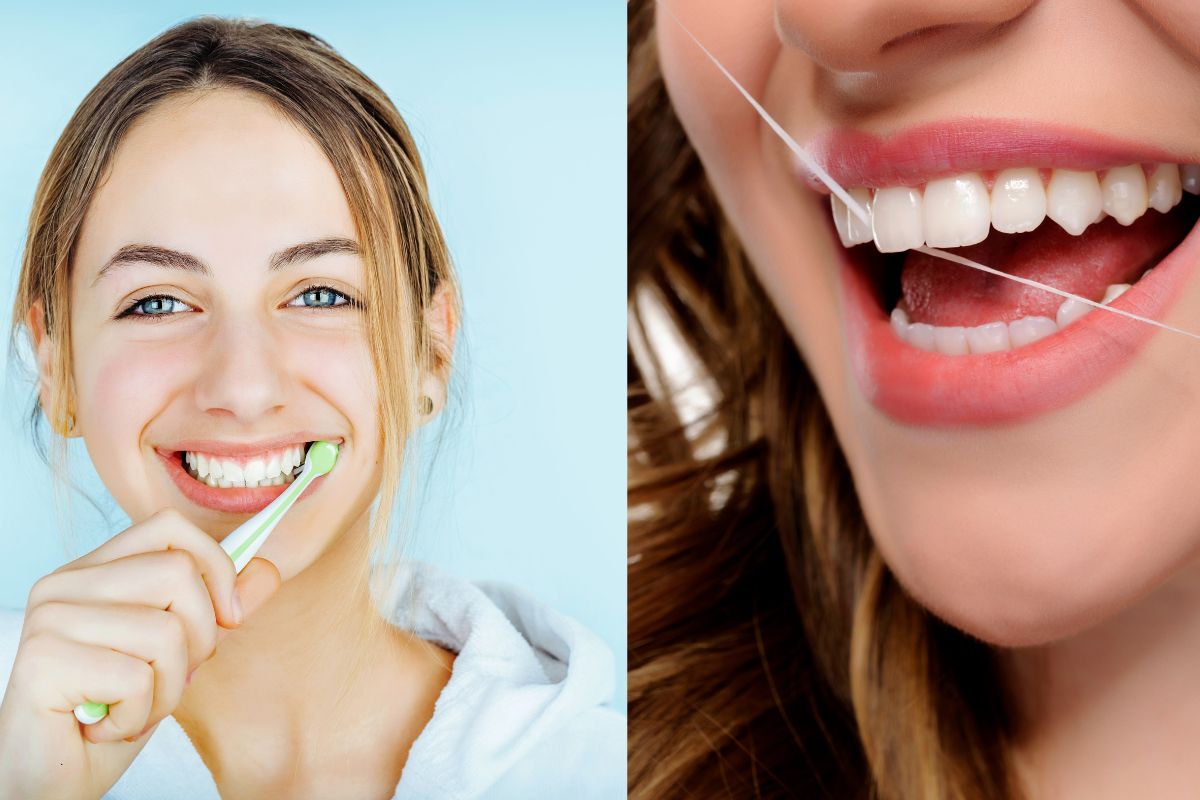


Poor oral hygiene can sneak up on anyone—skipped brushing sessions, sugary snacks, or that extra cup of coffee can lead to plaque buildup, tartar, gum inflammation, and stained teeth over time. The good news? It’s reversible with consistent effort and professional help. But how long does it truly take to turn things around? In this guide, we’ll break down the timeline for recovery, from daily habits to advanced treatments, so you can get back to a confident, healthy smile.
The answer isn’t one-size-fits-all. Factors like the severity of the damage, your age, overall health, and dedication to oral care play huge roles. Mild neglect might show improvements in weeks, while severe cases like gum disease could take months or years. Let’s dive into the stages of fixing poor oral hygiene, backed by dental science and real-world examples.
Understanding the Damage from Poor Oral Hygiene
Before timelines, grasp what’s happening in your mouth. Poor hygiene allows bacteria to form plaque—a sticky film that hardens into tartar within 24-72 hours if not removed. This irritates gums, leading to gingivitis (reversible inflammation) or periodontitis (irreversible bone loss).
Common signs include bad breath, bleeding gums, yellow teeth, and sensitivity. Coffee lovers often battle discoloration from tannins, while smokers face tougher stains. Reversing this starts with disrupting the cycle.
Quick Fix for Surface Issues (1-4 Weeks)
With twice-daily brushing, flossing, and antimicrobial mouthwash, plaque softens and washes away. Studies from the American Dental Association (ADA) show that gingivitis symptoms like swelling and bleeding can subside in 1-2 weeks. Use a soft-bristle toothbrush and fluoride toothpaste to remineralize enamel—expect fresher breath and less gum soreness by week four.
For visible stains, at-home remedies like baking soda pastes offer mild abrasion, but results vary. Persistent coffee stains demand more.
Professional Cleanings: The Fastest Path to Results
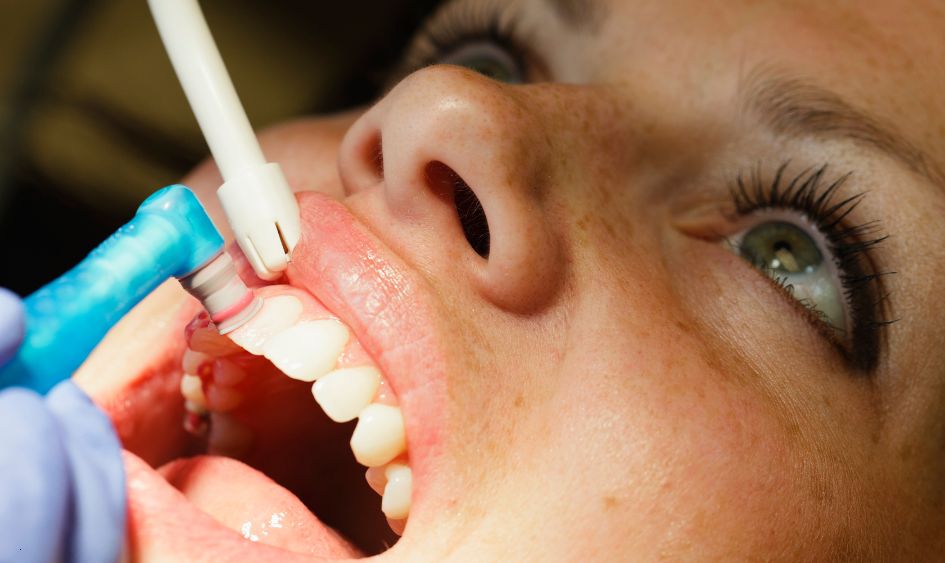
A dental hygienist’s scaling and polishing session removes tartar that no toothbrush can touch. This baseline treatment jumpstarts recovery.
- Mild Cases: One cleaning restores pink gums and brighter teeth in days. Plaque-free surfaces make hygiene easier.
- Moderate Tartar: Two sessions spaced 2-4 weeks apart, fully clear buildup, with noticeable whitening.
Pro tip: Schedule every six months. For locals searching for a dental office near you in the Portland area, professional cleanings accelerate progress dramatically.
Expect 80-90% improvement in hygiene markers post-cleaning, per Journal of Clinical Periodontology research.
Tackling Stains and Discoloration
Stains from coffee, tea, or tobacco embed in enamel pores. Superficial ones lift quickly; deeper ones need intervention.
Timeline for Stain Removal
- Over-the-Counter Options: Whitening strips or gels show subtle brightening in 1-2 weeks but risk sensitivity.
- Professional In-Office: Laser or peroxide treatments whiten 5-8 shades in one 60-minute session, lasting months.
- Custom Trays: Dentist-fitted trays with gel yield full results in 2-4 weeks of nightly use.
Searching for coffee stain teeth whitening? Opt for peroxide-based stain removal from a trusted pro—it’s safer and faster than DIY hacks. In Portland’s vibrant Pearl District, finding a dentist near the Pearl District Portland ensures tailored, cutting-edge options.
Reversing Gum Disease: A Step-by-Step Timeline
Gum disease demands phased treatment. Early gingivitis reverses fully; advanced periodontitis stabilizes but doesn’t fully regenerate lost tissue.
Phase 1: Non-Surgical (4-8 Weeks)
Deep cleanings (scaling/root planing) under local anesthetic remove sub-gumline bacteria. Gums tighten, and pockets shrink from 5 mm or more to 3mm in 4-6 weeks. Pair with prescription chlorhexidine rinses.
Dr. Yu Han notes that patients diligent with follow-up see pocket depths halve in a month.
Phase 2: Maintenance and Healing (3-6 Months)
Weekly water flossing and probiotics reduce recurrence. Bone density stabilizes via improved blood flow.
Phase 3: Surgical Intervention (6-12 Months+)
For severe cases, flap surgery or grafts rebuild tissue. Full recovery spans 9-12 months, with laser therapy speeding it by 30%.
Consistency cuts risks—smokers or diabetics may need 50% longer.
Restoring Teeth: Fillings, Crowns, and Beyond
Cavities from neglect require fillings (same-day) or root canals (1-2 visits). Cracked enamel from grinding takes veneers (2 weeks lab time).
| Treatment | Sessions | Total Time to Full Function |
|---|---|---|
| Fillings | 1 | 1 day |
| Root Canal + Crown | 2-3 | 2-4 weeks |
| Veneers | 2 + lab | 3 weeks |
| Implants (for lost teeth) | 4-6 | 6-12 months |
Enamel doesn’t regrow, but sealants and bonding mimic it instantly.
Long-Term Maintenance: Preventing Relapse
Fixing poor hygiene is temporary without habits. Adopt these for lasting results:
- Brush 2x daily for 2 minutes with an electric toothbrush.
- Floss nightly; add interdental brushes.
- Limit sugars; rinse after acidic drinks.
- Use remineralizing toothpaste (e.g., with nano-hydroxyapatite).
- Track with apps like Oral-B.
After 3 months of perfect hygiene, your mouth stabilizes. Annual X-rays catch issues early.
Real Patient Story: Proof It Works
Don’t just take our word—hear from Mark Stanger, a satisfied patient:
“All aspects (including the luminous city view welcome area) of being in the care of City Dental are reassuringly competent, capable, comfortable, comprehensive, calming and caring. The support staff and the medical care team are all on the same page of professionalism…and niceness! The precision and quality of the diagnostic, cleaning and repair procedures are superlative and state of the art. There’s validated parking, but I love they’re right on the Portland Streetcar line. Look no further.”
Review Link: https://share.google/gfIEAPjHxizCWbvs4
Mark’s experience shows how expert care transforms smiles quickly and comfortably.
Factors That Speed or Slow Recovery
- Age: Younger mouths heal 20-30% faster.
- Diet: Anti-inflammatory foods (leafy greens, omega-3s) boost timelines.
- Smoking: Delays healing by 2x—quit for best results.
- Genetics: Some fight plaque easier; others need pro help sooner.
Holistic health matters: Control diabetes or acid reflux for quicker fixes.
In summary, mild poor hygiene rebounds in weeks; moderate in months; severe demands a year-plus commitment. Start today—book a checkup and commit to habits. Your smile will thank you.
Frequently Asked Questions
- How quickly can I reverse gingivitis?
With professional cleaning and daily hygiene, symptoms like bleeding gums improve in 1-2 weeks, full reversal in 4 weeks. - What’s the fastest way to whiten coffee-stained teeth?
In-office bleaching delivers dramatic coffee stain teeth whitening in one visit, with at-home trays maintaining results over 2-4 weeks. - Can poor oral hygiene cause systemic health issues?
Yes—links to heart disease, diabetes, and pregnancy complications exist. Fixing it reduces risks within months. - How often should I see a dentist after poor hygiene treatment?
Every 3 months initially, then 6 months for maintenance to prevent relapse. - Are there home remedies for tartar removal?
No true substitutes—oil pulling or baking soda helps mildly, but pro scaling is essential for stain removal and tartar. - How long until I see results from electric toothbrushes?
Plaque reduction starts day one; visible cleanliness in 1 week with proper technique. - What’s the recovery like after gum surgery?
Swelling peaks at 48 hours, normal eating in 1 week, full healing in 4-6 weeks.