
Keeping your teeth clean at home is one of the most important habits for maintaining a healthy, confident smile. While brushing and flossing may seem simple, using the correct techniques makes a significant difference in protecting your teeth and gums from plaque buildup, cavities, and gum disease. A consistent daily routine not only keeps your mouth feeling fresh but also supports your overall health.
Although nothing replaces regular checkups with a trusted dentist, practicing proper oral hygiene at home helps prevent common dental problems and makes professional visits smoother and more comfortable. When you care for your teeth the right way each day, you reduce the risk of costly treatments and preserve your natural smile for years to come.
In this guide, we’ll walk you through a clear, step-by-step approach to cleaning your teeth at home properly, so you can build a routine that truly protects your long-term dental health
Step 1: Choose the Right Toothbrush and Toothpaste
The foundation of good oral hygiene starts with the tools you use. Select a soft-bristled toothbrush that fits comfortably in your mouth, allowing you to reach all areas. Electric toothbrushes are also highly effective, as they provide consistent brushing motions. Pair your toothbrush with fluoride toothpaste, which strengthens enamel and protects against decay.
Step 2: Brush for Two Minutes, Twice a Day
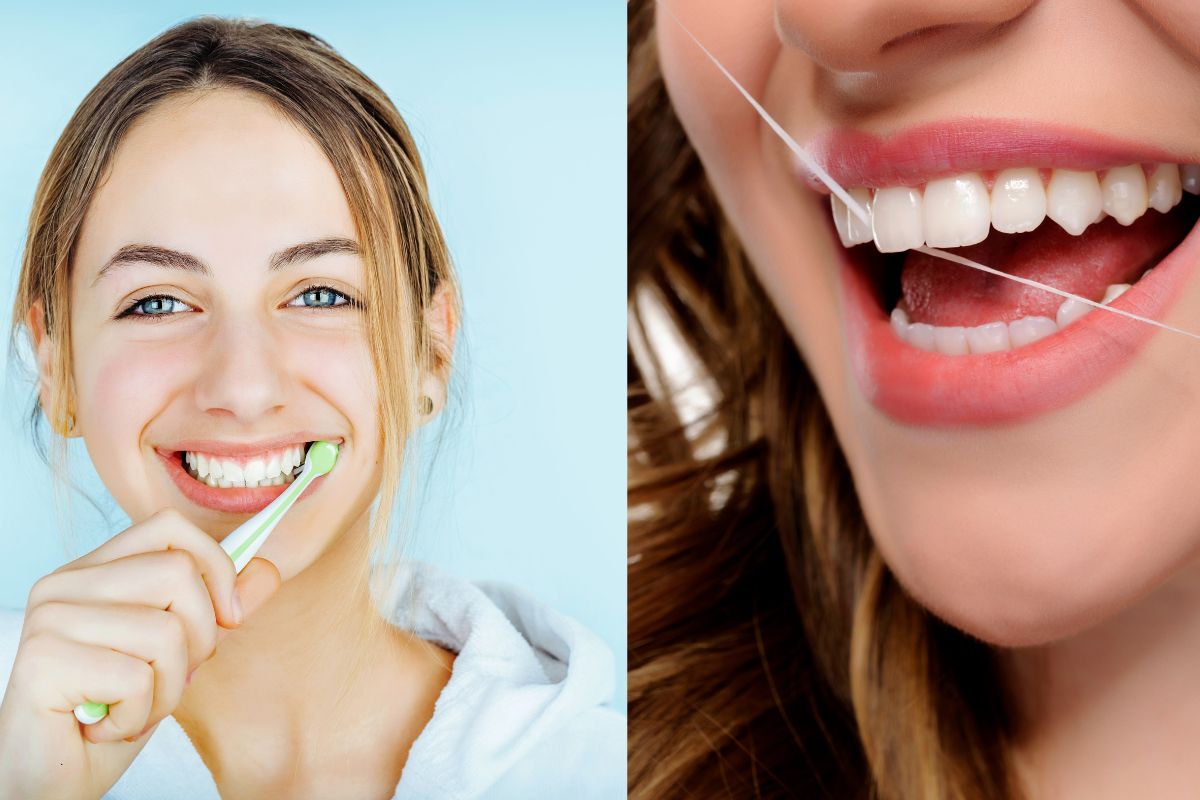
Brushing should be done for at least two minutes each time – once in the morning and once before bed. Hold your toothbrush at a 45-degree angle to your gums and use gentle, circular motions. Make sure to clean all surfaces of your teeth: the outer, inner, and chewing surfaces. Don’t forget your tongue – brushing it helps reduce bacteria and keeps your breath fresh.
Step 3: Floss Daily
Flossing removes plaque and food particles between teeth where a toothbrush can’t reach. Use about 18 inches of floss, winding most of it around your middle fingers and leaving an inch or two for cleaning. Gently slide the floss between teeth, curving it against each tooth and moving it up and down. Daily flossing helps prevent cavities and gum disease.
Step 4: Rinse with Mouthwash
Mouthwash is not a substitute for brushing or flossing, but it adds an extra layer of protection. Choose an antimicrobial or fluoride mouthwash to help kill bacteria, strengthen enamel, and keep your breath fresh. Swish the liquid for about 30 seconds and avoid eating or drinking immediately afterward for maximum benefit.
Step 5: Clean Between Dental Appliances
If you wear braces, retainers, or other appliances, make sure to clean around them carefully. Special floss threaders, interdental brushes, and water flossers can help reach areas that traditional tools might miss. This step prevents buildup that can damage teeth or cause staining.
Step 6: Maintain a Healthy Diet
A balanced diet plays a big role in oral health. Limit sugary snacks, sodas, and sticky foods that cling to teeth and feed bacteria. Instead, eat calcium-rich foods like dairy products, leafy greens, and nuts to strengthen your teeth. Drinking water throughout the day also helps rinse away food particles and acids.
Step 7: Know When to Visit a Dentist
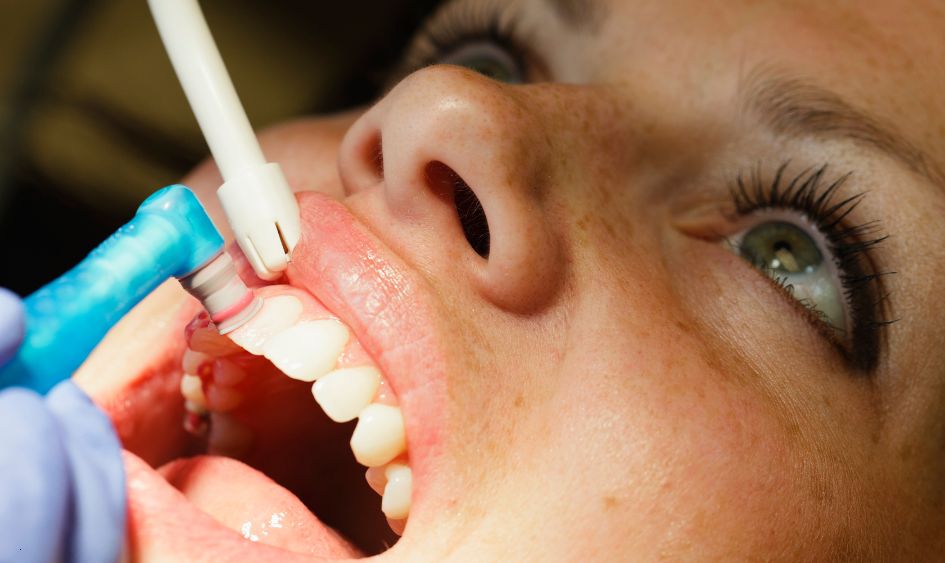
Even with a thorough at-home routine, professional care is essential. Visiting a dental office in Portland ensures you receive regular exams and cleanings that go beyond what you can do at home. A dentist can detect early signs of cavities, gum disease, or other issues before they become major problems.
At least twice a year, schedule a professional teeth cleaning to remove tartar buildup and polish your teeth for a healthier smile.
Final Thoughts
Cleaning your teeth at home is simple but requires consistency and the right techniques. By brushing, flossing, rinsing, and maintaining a healthy diet, you can significantly reduce your risk of oral problems. Pairing these efforts with regular dental visits will keep your teeth and gums in excellent condition for years to come.
FAQs
1. How often should I replace my toothbrush?
You should replace your toothbrush every 3 to 4 months, or sooner if the bristles become frayed.
2. Is brushing once a day enough?
No, brushing at least twice a day is recommended to effectively remove plaque and prevent decay.
3. Can I skip flossing if I brush well?
No, flossing is essential for cleaning between teeth where a toothbrush cannot reach.
4. What type of mouthwash is best for daily use?
An alcohol-free mouthwash with fluoride or antibacterial properties is best for everyday use.
5. How do I know if I’m brushing correctly?
If you brush for two minutes using gentle, circular motions and cover all surfaces—including your tongue—you’re brushing correctly.