

Dental crowns are widely used to strengthen weakened teeth and restore a natural look. But if a dental crown fell out, it can leave you concerned and uncomfortable. Understanding why these capsfall off and what to do afterward can help protect your oral health and prevent future problems. Curious to learn more? Read this blog till the end.
Why Do Crowns Come Loose or Fall Out?
Crowns are built to last for years, but they’re not invincible. Several factors can lead to a crown loosening or falling off:
- Cement issues: The bonding material may wear down, making the crown unstable.
- Decay under the crown: Patients often ask, How common is decay under a crown? While not frequent, bacteria sneaking beneath the crown can weaken the supporting tooth.
- Normal wear and bite pressure: Years of chewing and grinding put stress on crowns.
- Eating sticky or hard foods: Items like caramel or ice may dislodge a crown.
- Accidents or trauma: Sports injuries or sudden impact can cause it to fall out, leading to dental complications.
- Gum or root problems: If the foundation weakens, the crown cannot stay in place.
What Should You Do If Your Crown Fell Out?
If your dental cap fell out, take simple steps to protect your tooth until you can get professional help:
- Store the crown safely in a clean container.
- Rinse your mouth gently with warm water.
- Avoid chewing on the affected side.
- If available, use temporary cement for dental crowns from a pharmacy.
- Schedule a prompt visit to your dentist for evaluation and repair.
Acting quickly increases the chance of saving the original crown and prevents sensitivity or infection.
When a Dental Implant Cap Fell Out?
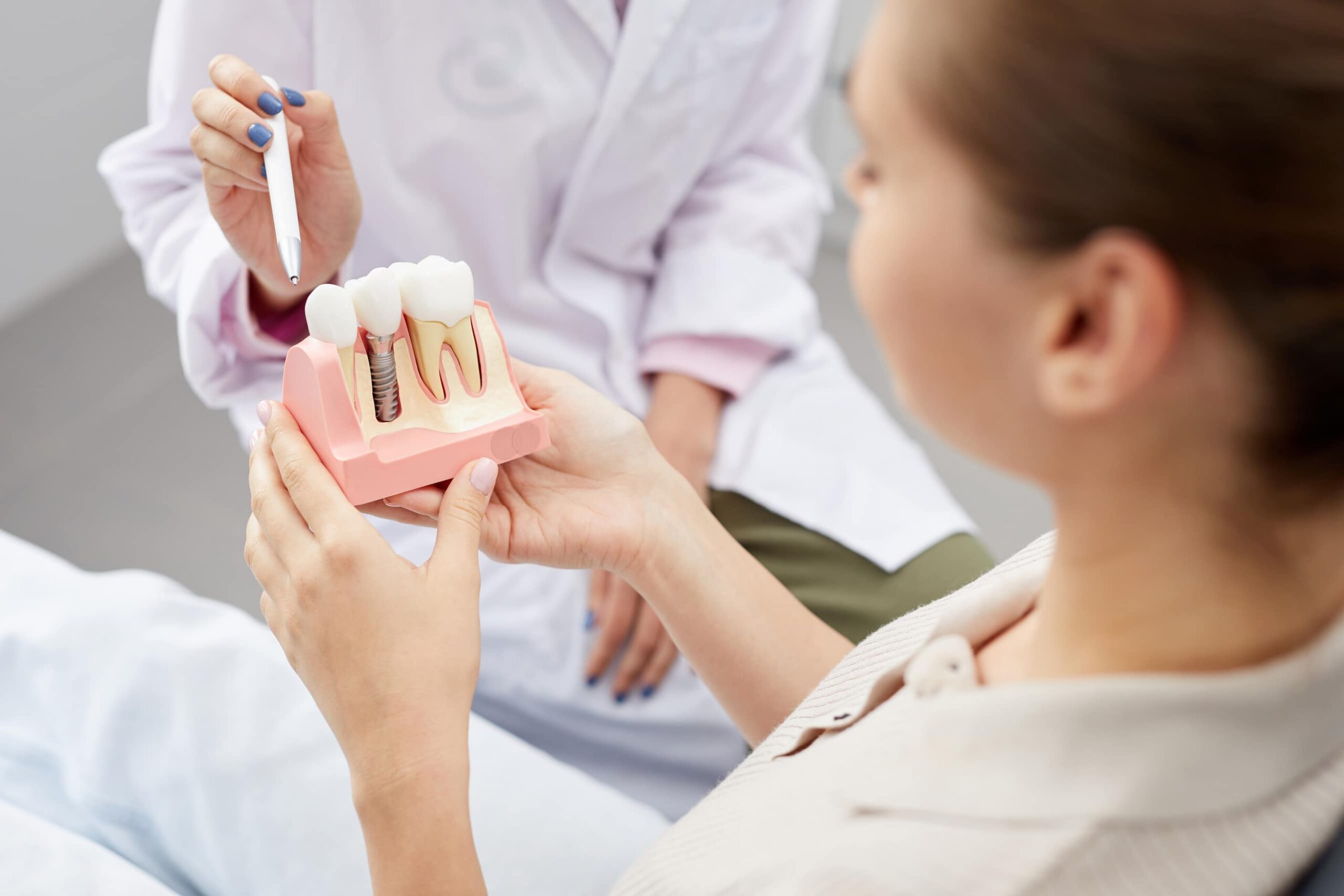
Sometimes patients report that it can fall out rather than a crown on a natural tooth. While this is different, the principle is the same; the visible portion has loosened, but the implant usually stays stable. A dentist can secure it again or provide a new cap if necessary.
Can Crowns Fall Off Often?
This is a common question among many people. In most cases, no. A properly placed crown with good oral care should last many years. Still, factors like teeth grinding, gum disease, or poor oral hygiene raise the risks. Our experts can monitor the condition of your crowns and recommend maintenance steps to extend their lifespan.
Preventing Crown Failures
Taking preventive measures reduces the chances of experiencing a dental crown falling out:
- Brush and floss regularly to stop decay around crowns.
- Limit sticky or chewy foods.
- Wear a mouthguard if you clench or grind your teeth.
- Keep up with routine dental visits to check crown stability.
These habits not only protect crowns but also improve overall oral health.
Don’t Ignore a Loose Crown, Act Now for Long-Term Health
If a tooth crown fell out, the cause may be as simple as worn cement or as complex as hidden decay. Modern care, including same-day dental crown treatment, makes fixing the issue faster and more reliable.
If you’re experiencing crown trouble, don’t delay, visit our dental office. Book an appointment to keep your smile strong and functional for a long.
FAQs
1. What should I do right away if my crown comes off?
Place it in a safe container, rinse gently, and contact your dentist for evaluation.
2. How often do crowns fall out?
It’s uncommon for crowns to fall out frequently. Proper placement, good hygiene, and routine checkups help crowns remain secure for many years.
3. Why does my crown keep falling off?
Repeated crown loss may point to weak cement, decay, or a poor fit. A dental checkup can determine the cause and offer long-term solutions.
4. What happens when a crown falls out?
The tooth beneath becomes exposed and vulnerable to sensitivity, decay, or breakage. Immediate professional care is essential to protect the tooth and restore stability.
5. How long does tooth cement last?
Permanent dental cement usually lasts for many years. However, chewing habits, grinding, or poor oral hygiene can cause it to weaken sooner.