
Dental implants have revolutionized tooth replacement, offering a durable and natural-looking solution for missing teeth. While implants are highly successful, many patients often wonder about the timing involved before they can get their final implant crown. Understanding the process and factors influencing the timing can help set realistic expectations and ensure long-lasting results.
What Is a Dental Implant Crown?
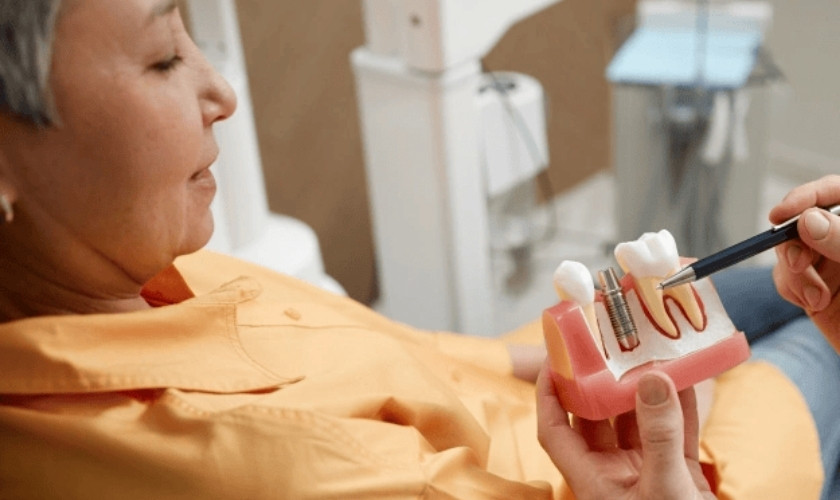
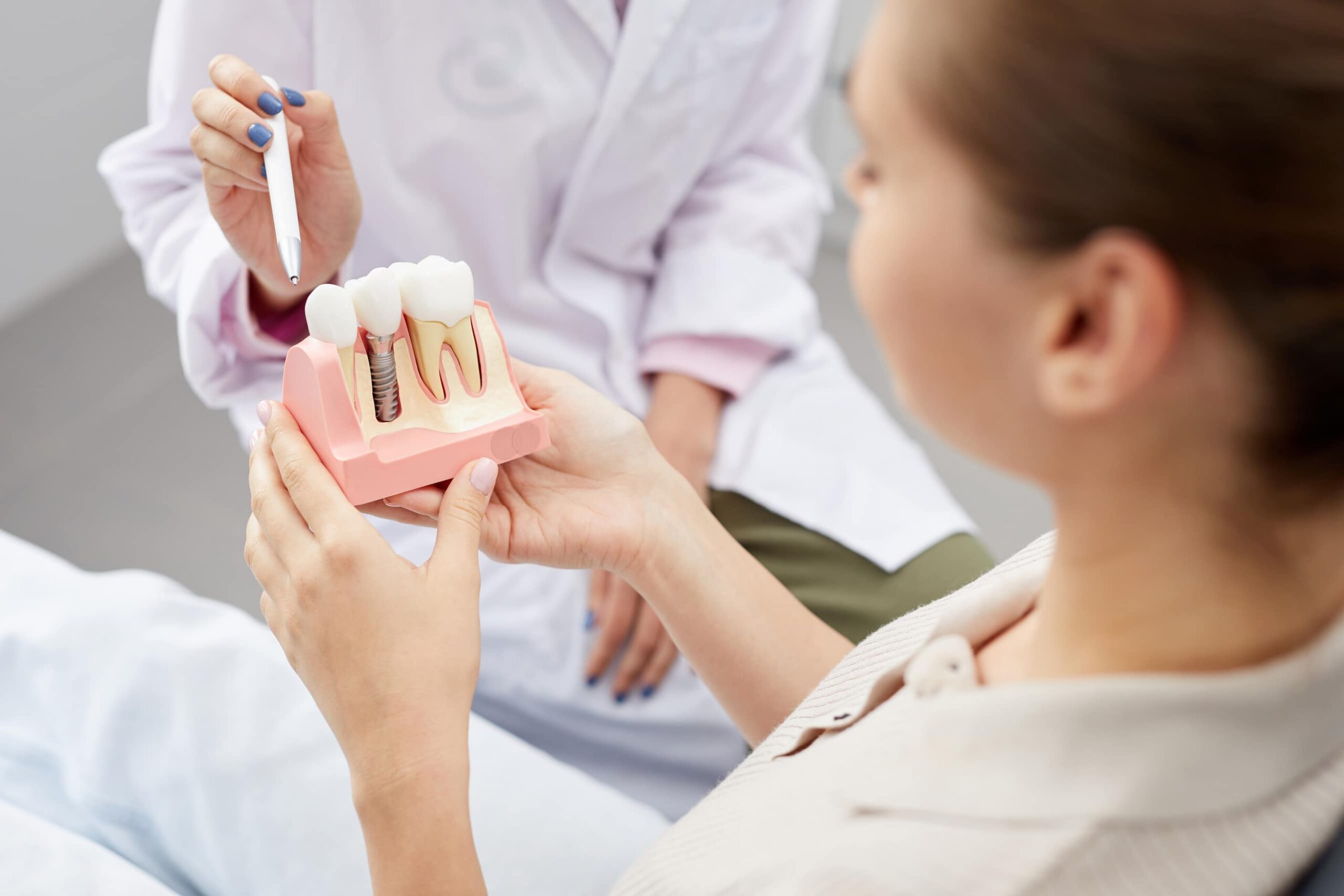
A dental implant crown is the visible part of a dental implant that looks and functions like a natural tooth. It is attached to an implant post – a small titanium screw that is surgically placed into the jawbone. The crown completes the restoration, allowing patients to chew, speak, and smile confidently.
The process of placing an implant crown is usually divided into stages, and timing is crucial to the success of the procedure.
Factors That Influence the Timing of an Implant Crown
Several factors determine how long it takes to place the crown after the implant surgery:
1. Bone Healing and Osseointegration
After the implant post is placed in the jawbone, the bone needs time to fuse with the implant in a process called osseointegration. This ensures stability and long-term success. Depending on individual healing, this process can take:
- Lower jaw: 3 – 4 months
- Upper jaw: 4 – 6 months
Bone quality and density play a significant role. Patients with stronger bone may experience faster healing, while those with bone loss may require additional procedures like bone grafting, extending the timeline.
2. Type of Implant and Crown
Modern implants sometimes allow for immediate or early loading, meaning a temporary crown may be placed shortly after surgery. However, most standard implants follow the traditional timeline to ensure proper healing. The type of crown, zirconia, porcelain, or metal-ceramic, doesn’t affect healing but may influence lab preparation time.
3. Gum Health
Healthy gums are essential for a successful implant. If gum disease or infection is present, it must be treated first. In some cases, soft tissue grafting may be required, which can add several weeks to the overall timeline.
4. Individual Healing Capacity
Factors like age, overall health, and lifestyle choices (e.g., smoking, diet, chronic illnesses) can impact healing speed. Your dentist may adjust the timing accordingly to ensure the implant integrates fully before placing the crown.
Typical Timeline for Implant Crown Placement
While timelines can vary, here’s a general sequence:
- Implant Placement Surgery: The implant post is inserted into the jawbone.
- Healing & Osseointegration: 3–6 months, depending on jaw location and bone density.
- Abutment Placement: Once healed, an abutment (connector) is placed on the implant. Sometimes this step is done simultaneously with implant surgery.
- Crown Placement: After the gum tissue around the abutment heals, the final crown is attached.
In some cases, a temporary crown may be used during the healing phase to maintain aesthetics and function.
Tips to Ensure a Smooth Implant Crown Process
- Follow your dentist’s post-surgery instructions: Proper oral hygiene and diet help speed up healing.
- Attend all follow-up appointments: Our experts will monitor the implant and gum healing.
- Avoid smoking and excessive alcohol: Both can slow healing and compromise implant success.
- Maintain a healthy diet: Foods rich in vitamins and minerals support bone regeneration.
Conclusion
The timing for an implant crown varies depending on bone quality, gum health, type of implant, and individual healing capacity. On average, patients can expect the process to take anywhere from 3 to 6 months, but this may extend if additional procedures are needed. Understanding the timeline and following your dentist’s guidance ensures a successful, long-lasting restoration that blends seamlessly with your natural teeth.