
A bright, white smile is often associated with health and confidence. However, many people notice their teeth gradually turning yellow over time. This change can happen slowly or suddenly, and it may be linked to everyday habits or underlying dental concerns. Understanding the real reasons behind yellow teeth can help you take the right steps to protect your smile.
At City Dental, we often see patients worried about discoloration. The good news is that most causes are treatable when addressed early. Let’s explore the common reasons teeth turn yellow and what you can do about it.
1. Natural Aging
As you age, your teeth naturally become darker. The outer layer of the tooth, called enamel, slowly wears down over time. Beneath the enamel is a yellowish layer called dentin. When enamel thins, dentin becomes more visible, giving teeth a yellow appearance.
This process is normal, but good oral hygiene can slow it down.
2. Poor Oral Hygiene
Brushing and flossing remove plaque, bacteria, and food particles. When oral care is inconsistent, plaque builds up and can cause staining. Over time, this buildup hardens into tartar, which has a yellow or brown color.
Regular brushing twice a day and professional cleanings are essential to maintain bright teeth.
3. Food and Drinks That Stain
Certain foods and beverages are known for staining teeth. These include:
- Coffee
- Tea
- Red wine
- Soda
- Berries
- Tomato-based sauces
Dark-colored drinks and acidic foods weaken enamel, making stains easier to stick. Rinsing your mouth with water after consuming these items can help reduce discoloration.
4. Smoking and Tobacco Use
Tobacco products contain tar and nicotine, both of which stain teeth. Over time, smoking can turn teeth yellow or even brown. Tobacco also increases the risk of gum disease and tooth loss, making it a serious threat to oral health.
Quitting tobacco is one of the best decisions you can make for your smile and overall health.
5. Medications
Some medications can cause tooth discoloration. Certain antibiotics, especially when taken during childhood, may affect enamel development. Antihistamines, high blood pressure medications, and chemotherapy treatments can also change tooth color.
If medication is causing discoloration, your dentist can recommend safe cosmetic options.
6. Enamel Erosion
Enamel protects your teeth from damage and stains. Acidic foods, frequent vomiting, acid reflux, and aggressive brushing can wear down enamel. Once enamel thins, yellow dentin becomes more visible.
Using a soft-bristled toothbrush and fluoride toothpaste helps protect enamel from further damage.
7. Trauma or Injury
An injury to a tooth can change its color. When a tooth experiences trauma, it may respond by producing more dentin, which makes it appear darker or yellow. In some cases, discoloration may signal nerve damage.
If you notice color changes after an accident, seek dental care immediately.
8. Underlying Dental Problems
Yellow teeth can sometimes signal deeper issues such as cavities, infections, or gum disease. Untreated decay may cause discoloration along with discomfort. In severe cases, damage can lead to teeth missing or even a missing molar tooth if the problem is ignored.
Addressing small issues early can prevent long-term complications.
The Emotional Impact of Yellow Teeth
Discolored teeth can affect confidence and self-esteem. Many people feel embarrassed to smile in photos or social situations. Those dealing with missing front teeth or multiple areas of tooth loss often experience even greater emotional stress.
Restoring both color and structure improves not only appearance but also overall quality of life.
When Yellow Teeth Signal Bigger Problems
Sometimes discoloration is not just cosmetic. Severe staining combined with sensitivity or pain may indicate infection. If you are experiencing discomfort, seeking broken tooth pain relief quickly is essential to prevent further damage.
Persistent yellowing with loose teeth may point toward gum disease, which is one of the leading causes of tooth loss in adults. Early treatment can save your natural teeth and avoid more complex procedures later.
Professional Solutions for Yellow Teeth
Home remedies and over-the-counter whitening kits may provide temporary improvement. However, professional care offers safer and longer-lasting results.
Dental treatments may include:
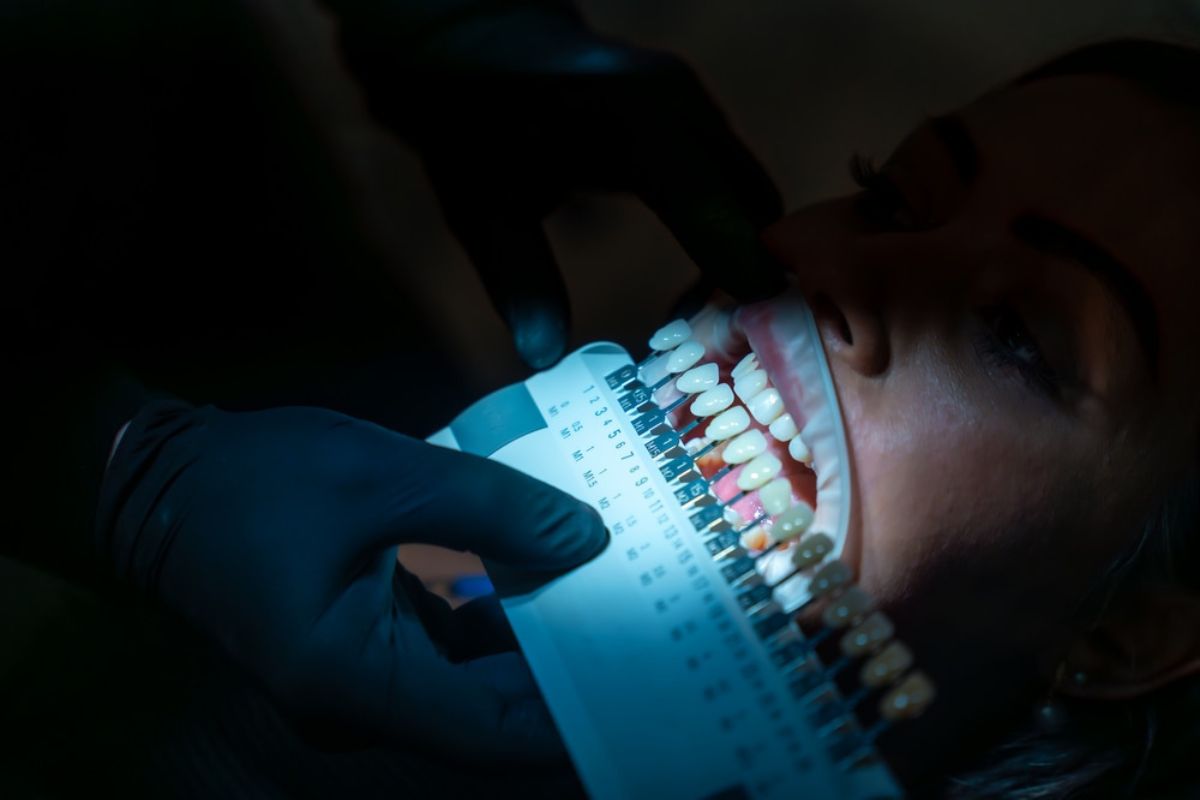
- Professional teeth whitening
- Deep cleaning to remove tartar
- Veneers for severe discoloration
- Crowns for damaged teeth
- Solutions for a missing molar tooth or other teeth missing
Your dentist will recommend the best option based on your individual needs.
Preventing Yellow Teeth
Prevention is always better than treatment. Here are simple steps to maintain a brighter smile:
- Brush twice daily with fluoride toothpaste
- Floss every day
- Limit staining foods and drinks
- Drink water after meals
- Avoid tobacco products
- Schedule regular dental checkups
Routine dental visits allow your dentist to catch early signs of decay, erosion, or gum disease before they worsen.
Take Control of Your Smile
Yellow teeth may seem like a small issue, but they can sometimes signal larger dental concerns. Paying attention to changes in tooth color helps you protect both your smile and your overall health.
If you have noticed discoloration, sensitivity, or changes in your teeth, it may be time to book an appointment for a professional evaluation. For personalized care and effective treatment options, visit our dental office or call 5036833934 to schedule your consultation today.
Frequently Asked Questions
- Can yellow teeth become white again?
Yes, in many cases they can. Professional whitening treatments, deep cleanings, or cosmetic procedures can significantly improve tooth color depending on the cause of discoloration.
- Is yellowing always caused by poor brushing?
No. While poor oral hygiene can cause staining, aging, medications, enamel thinning, and genetics also play important roles in tooth color changes.
- Are over-the-counter whitening products safe?
Most are safe when used as directed, but they may cause sensitivity. Professional treatments are typically stronger, safer, and more effective for long-term results.
- Does enamel grow back after it wears down?
No, enamel does not regenerate. Once it is lost, it cannot grow back. Protecting enamel with proper care is essential to prevent further yellowing.
- Can diet alone cause teeth to turn yellow?
Yes. Frequent consumption of staining foods and drinks can gradually discolor teeth, especially if oral hygiene habits are inconsistent.
- When should I see a dentist for yellow teeth?
You should seek dental advice if discoloration appears suddenly, is accompanied by pain, or does not improve with regular cleaning and brushing.
- Can yellow teeth lead to tooth extraction?
Yellowing itself does not cause extraction, but untreated decay or gum disease linked to discoloration can lead to severe damage and eventual removal if ignored.