
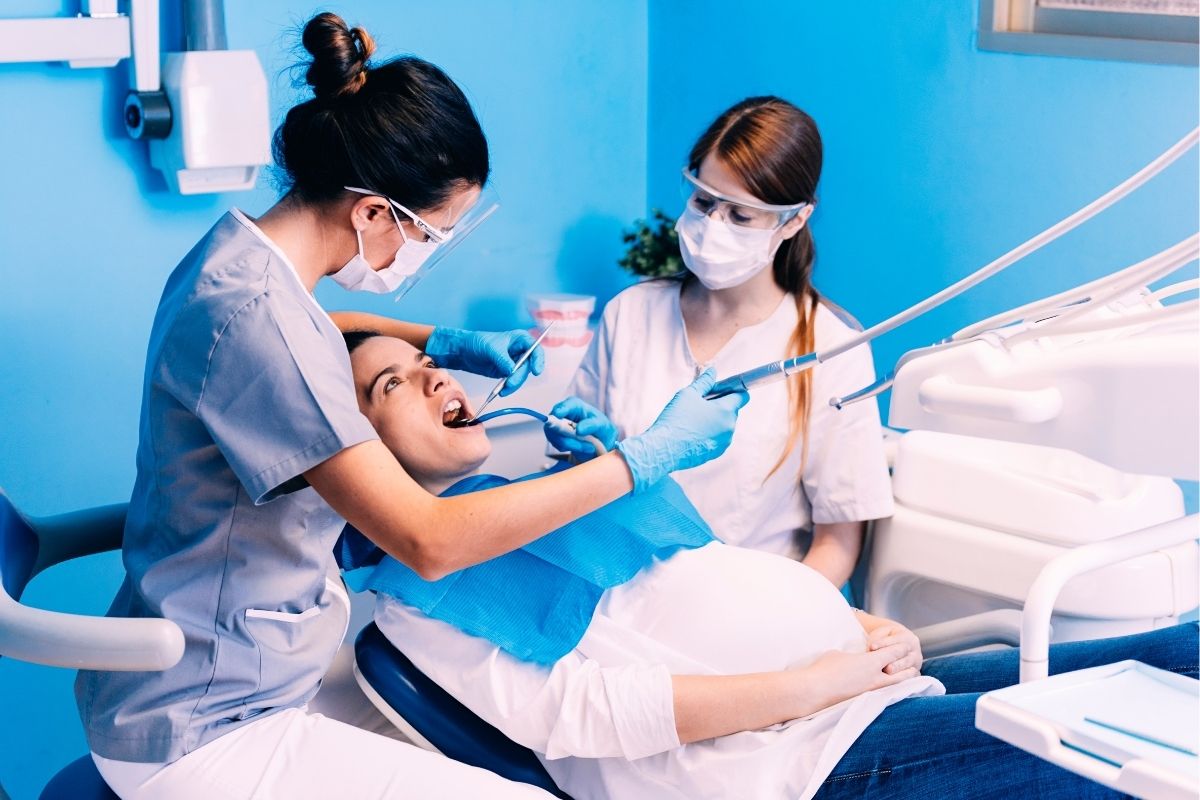
Pregnancy transforms nearly every part of life, your sleep, your diet, and even how your body reacts to smells or stress. However, one area that is often overlooked is oral health. If you are expecting and dealing with a cavity or toothache, the thought of dental anesthesia can bring hesitation. You want relief, but not at the expense of your baby’s safety.
In a city like Portland, where natural living and wellness are core values, patients tend to delay medical treatment, especially when it involves medication. But when it comes to dental care, waiting too long can lead to infections, increased inflammation, or complex issues, impacting maternal and fetal health.
So, is dental anesthesia during pregnancy safe? And what do dental professionals who treat expectant mothers every day recommend? Here is what expert local dental providers want you to know before you make that decision.
What Do Dentists Say About Using Local Anesthesia?
The short answer is yes. Local dental anesthesia is considered safe during pregnancy when used correctly and in moderation. Professionals typically use lidocaine, a well-studied anesthetic classified as FDA pregnancy category B, meaning no known risk to humans. It is commonly used for procedures like fillings, root canals, and deep cleanings.
What makes it safe is how it is administered – low, targeted doses that stay localized to the treatment area, minimizing any chance of affecting the baby. In Portland, where many providers emphasize holistic and preventative care, dentists take extra steps by consulting with a patient’s OB-GYN before treatment.
This collaborative approach ensures that any dental work needed during this period is safe and aligned with prenatal care. With the right precautions, you can receive the relief and care you need without compromising your or your baby’s well-being.
When To Safely Schedule Dental Treatment During Pregnancy
For most non-urgent dental procedures, the second trimester is considered the safest and most comfortable time. By this stage, the baby’s major organs have already developed, and common early pregnancy symptoms like nausea have eased. This makes it easier for you to undergo treatment without added stress.
Which Trimester Is Safe For Dental Work?
The second trimester, between weeks 14 and 20, is the preferred window for elective dental work like fillings, crowns, and cleanings. During the first trimester, dentists often postpone non-essential procedures to avoid any unnecessary exposure during early fetal development. The third trimester, while still safe for care, can be physically uncomfortable due to limited mobility and difficulty lying back in the chair for extended periods.
What If You Need Emergency Dental Care?
Urgent dental treatment should not wait for a specific trimester, such as for infections, severe pain, or swelling. These issues can pose serious health risks to both you and your baby if left untreated. Our experts often coordinate with an OB-GYN to ensure safe care during this time. The priority is your overall health, and that includes your oral health, too.
Can I Get My Cavity Filled While Pregnant?
Yes! If the dental care provider recommends a filling, primarily due to active decay, it is better to address it sooner rather than later. Small cavities can grow quickly, leading to pain, infection, or even abscesses. The procedure is completed in a short, comfortable session using safe dental anesthesia with care and caution.
Are Dental Cleanings Safe During Pregnancy?
Routine dental cleanings are always encouraged throughout this tenure to help manage plaque, gum health, and bacterial load. There is no reason to avoid them. However, just let your provider know you are expecting, and they will adapt accordingly.
The Hidden Risks Of Skipping Dental Care
Some expectant patients feel better postponing all dental care, but skipping appointments can worsen problems. Hormonal changes make gums prone to inflammation, and pregnancy gingivitis is prevalent. Minor decay can rapidly escalate into infections that put both you and your baby at risk. This is why routine dental cleanings and exams during pregnancy remain critical. They spot issues early and allow the professional to tailor recommendations for your specific health needs.
Prioritize Your Oral Health For You And Your Baby
Pregnancy is a time when every decision is essential. However, avoiding treatment out of fear can do more harm than good regarding dental care. From cleanings to fillings, today’s dentistry, especially those involving anesthesia, is designed to be safe for expecting mothers with utmost caution and care. The city’s dental community embraces a holistic, informed approach to prenatal care, including oral health. Whether in your first trimester or near delivery, proactive dental care is vital for your and your baby’s well-being. If you are still unsure about the timing or type of care you need, our team is here to help. Visit City Dental in Portland or nearby areas to speak with our provider, who prioritizes your concerns, comfort, and safety first. Schedule your appointment today!