
Chewing is the first and one of the most important steps in digestion. Healthy teeth help break food into smaller pieces so your body can absorb nutrients properly. When you have teeth missing, even just one, it can change the way you chew and affect your overall comfort and health.
At City Dental, we often see patients who don’t realize how much a gap in their smile can impact daily life. Let’s explore how missing teeth can affect chewing and why timely treatment matters.
How Chewing Normally Works
Your teeth each have a specific role:
- Front teeth cut and bite food.
- Canines tear food.
- Premolars and molars grind food into smaller pieces.
When all teeth are present and aligned, chewing is balanced. Both sides of the mouth share the pressure. The jaw muscles work evenly, and food is broken down efficiently.
What Happens When You Have Missing Teeth
When you experience tooth loss, the chewing process becomes uneven. The remaining teeth must handle more pressure than they were designed for. Over time, this can lead to:
- Extra wear and tear
- Jaw discomfort
- Shifting of nearby teeth
- Difficulty eating certain foods
Even one missing molar tooth can make a big difference because molars do most of the heavy grinding work.
Difficulty Chewing Certain Foods
When teeth missing affect the back of your mouth, chewing tough foods like meat, nuts, or raw vegetables becomes challenging. Many people begin chewing only on one side. This imbalance may cause:
- Jaw strain
- Headaches
- Uneven tooth wear
- Gum irritation
If you have missing front teeth, biting into foods like apples or sandwiches can also feel uncomfortable or embarrassing.
Changes in Jaw and Bite Alignment
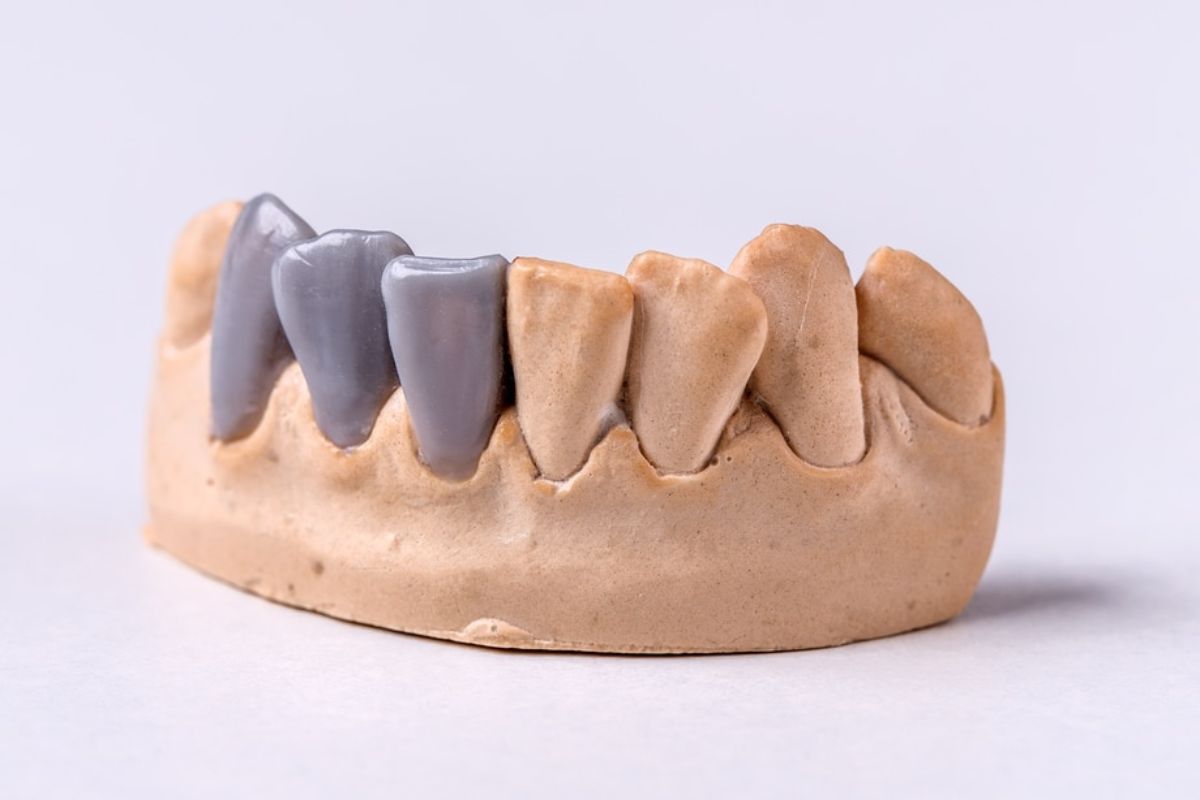
Teeth support each other. When one is gone, nearby teeth may shift into the space. This movement changes your bite alignment. Over time, it can lead to:
- Crooked teeth
- Gaps widening
- Increased risk of cavities
- Gum problems
Your jaw joint may also feel sore because it is no longer moving in a balanced way.
Impact on Digestion
Chewing properly is important for digestion. Larger pieces of food are harder for your stomach to break down. When you cannot chew efficiently, it may lead to:
- Bloating
- Indigestion
- Poor nutrient absorption
Good oral health plays a direct role in overall body health.
Bone Loss After Tooth Loss
When a tooth is lost, the jawbone in that area no longer receives stimulation from chewing. Over time, the bone begins to shrink. This can change your facial shape and weaken surrounding teeth.
Bone loss can make future dental treatments more complex if not addressed early.
Pain and Sensitivity
When chewing shifts to one side, the extra pressure can cause discomfort. Some people also experience issues similar to broken tooth pain relief situations because stressed teeth can crack or become sensitive.
If chewing causes discomfort or you feel strain in your jaw, it is a sign that your bite may not be balanced.
Emotional and Social Effects
Chewing problems are not just physical. Missing front teeth can affect confidence when eating in public. Some people avoid smiling or speaking freely. Others limit their diet to soft foods, which may not always be the healthiest option.
Restoring your smile can improve both function and self-esteem.
Solutions for Missing Teeth
Modern dentistry offers several reliable solutions to restore chewing function:
- Dental implants – Replace the root and crown of the tooth
- Dental bridges – Fill the gap using neighboring teeth for support
- Dentures – Replace multiple missing teeth
These treatments help restore balance, improve chewing ability, and protect your remaining teeth.
If you notice changes in how you chew or feel discomfort, it’s important to book an appointment with a dental professional. Early care prevents bigger problems later.
To learn more about your options, visit our dental office or call 503-683-3934 to schedule a consultation.
Frequently Asked Question
- Can one missing tooth really affect chewing?
Yes. Even a single missing molar tooth can reduce your ability to grind food properly and shift extra pressure onto nearby teeth.
- Why does my jaw hurt after losing a tooth?
Your bite may become uneven, causing strain on jaw muscles and joints. Over time, this imbalance can lead to discomfort or headaches.
- Does chewing on one side cause problems?
Yes. Constantly chewing on one side can wear down teeth unevenly and create jaw tension or gum irritation.
- Can missing teeth affect speech?
Yes. Gaps, especially in the front, can change how air flows when you speak, which may affect pronunciation.
- Is it okay to delay treatment after tooth loss?
Delaying care can lead to shifting teeth, bone loss, and more complex dental issues. Early treatment helps preserve oral health.
- What foods are hardest to eat with teeth missing?
Hard, crunchy, or chewy foods like nuts, steak, and raw vegetables can be difficult to manage without full chewing support.
- Will replacing missing teeth restore normal chewing?
In most cases, yes. Treatments like implants or bridges can significantly improve chewing ability and comfort.