

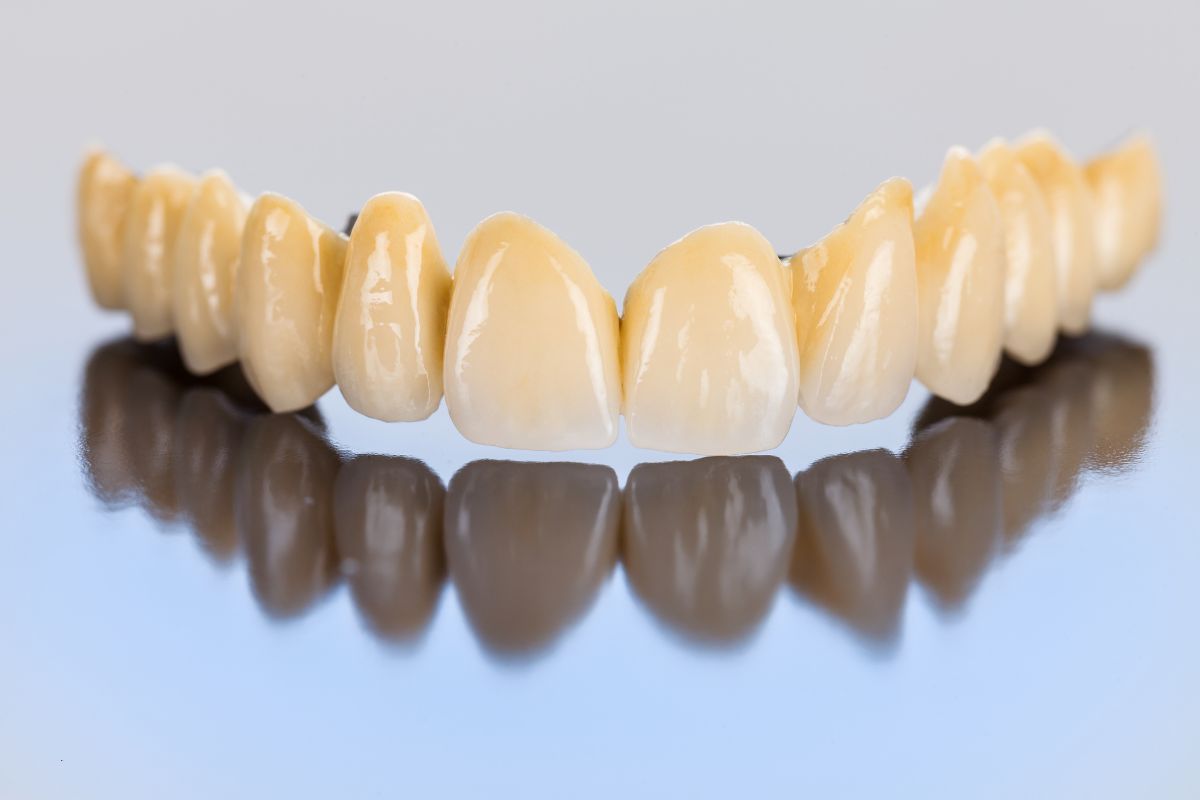
If you’re missing one or more teeth, dental bridges offer an excellent solution to restore your smile and improve oral health. Dental bridges “bridge” the gap created by missing teeth using artificial teeth, anchored by natural teeth or implants. This guide will walk you through what to expect before and after your dental bridge placement so that you can feel prepared for the process.
Before Dental Bridge Placement
Initial Consultation
The first step is an initial consultation with your dentist, where you’ll discuss your options. Your dentist will perform a thorough exam, including X-rays and impressions of your teeth. These diagnostic tools help determine the condition of your surrounding teeth and gums, ensuring they can support the dental bridge.
At this stage, you’ll also discuss the different types of dental bridges available. The most common options include traditional bridges, cantilever bridges, Maryland bonded bridges, and implant-supported bridges. Based on your specific needs, your dentist will recommend the best solution for your situation.
Preparing the Abutment Teeth
Once you proceed with a dental bridge, the next step involves preparing the abutment teeth (the teeth on either side of the gap). Your dentist will reshape these teeth by removing a small portion of enamel to create space for the crowns that will anchor the bridge.
During this process, you may feel some pressure or mild discomfort. However, your dentist will typically administer a local anesthetic to numb the area, ensuring a painless experience. If you’re nervous, ask about sedation options to help you feel more relaxed during the procedure.
Temporary Bridge Placement
After your abutment teeth are prepared, your dentist will take impressions or use digital scans to design a custom bridge. In the meantime, a temporary bridge will protect your exposed teeth and gums. Temporary bridges allow you to maintain the function of your teeth and prevent further shifting while your permanent bridge is being created.
Expect to wear this temporary bridge for a few weeks. During this time, be mindful of your diet and avoid hard or sticky foods that could dislodge the temporary bridge.
After Dental Bridge Placement
Fitting the Permanent Bridge
Once your custom dental bridge is ready, you’ll return to the dentist for the final fitting. The dentist will remove the temporary bridge and fit the permanent one, making any necessary adjustments to ensure a comfortable bite and proper alignment. They will then cement the bridge, securing it to your natural teeth or dental implants.
You may feel tightness or pressure as the dentist adjusts the fit, but this will usually subside within a few days. If the bridge feels uncomfortable after this period, contact your dentist for further adjustments.
Recovery and Aftercare
After your permanent dental bridge is placed, it’s normal to experience mild sensitivity or soreness in the surrounding teeth and gums. Over-the-counter pain relievers such as ibuprofen can help alleviate any discomfort. Most people can resume normal activities on the same day.
Your dentist will provide specific aftercare instructions, including how to clean around the bridge. Maintaining excellent oral hygiene is crucial to the longevity of your dental bridge. Be sure to brush twice a day, use fluoride toothpaste, and floss daily, especially around the bridge and abutment teeth. Your dentist may recommend a special floss threader to clean under the bridge.
Adjusting to Your Dental Bridge
It may take a few days or weeks to adjust fully to the feeling of your new bridge. During this time, stick to softer foods until you’re comfortable chewing normally again. Avoid sticky or crunchy foods that could dislodge or damage your bridge. With proper care, your dental bridge should feel natural and function like your regular teeth.
Regular Dental Checkups
After getting your dental bridge, you’ll need to schedule regular checkups to monitor the health of your teeth, gums, and bridge. Our experts will check for any signs of wear or decay around the abutment teeth or issues with the bridge’s fit. With proper oral care and regular dental visits, your dental bridge can last for years, giving you a strong, beautiful smile.
Dental bridge placement is a routine procedure that can restore your smile and oral function. By understanding what to expect before and after the process, you can feel more confident and prepared for your dental bridge treatment. Remember, regular dental care and following your dentist’s instructions are key to ensuring your dental bridge lasts for years to come. If you have any concerns or questions about the procedure, don’t hesitate to ask your dentist for guidance.