


Have you noticed your gums looking puffy, red, or sore when you brush? Swollen gums are among the most common oral health concerns, yet many people are unsure of their causes or when professional care is necessary. At City Dental in Portland, Dr. Crofts and the team regularly help patients experiencing discomfort, bleeding, or changes in their gum health. In many cases, early attention can prevent more serious dental problems.
If you are experiencing gum issues, understanding the cause is the first step toward relief. This guide explains why swollen gums occur, the available treatment options, and practical ways to protect your smile. For patients seeking gum disease treatment in Portland, knowing the warning signs and treatment options can make a significant difference in long-term oral health.
What Are Swollen Gums?
Swollen gums occur when gum tissue becomes irritated, inflamed, or infected, causing the gums to appear enlarged, tender, red, or sensitive.
Healthy gums fit snugly around the teeth. When irritation develops, the tissue may become puffy, painful, and more likely to bleed. Some patients notice discomfort while brushing, while others experience tenderness when eating certain foods.
Swelling can affect a small area around one tooth or spread throughout the mouth, depending on the underlying cause.
What Causes Gum Swelling?
The most common causes include plaque buildup, gum disease, infection, poor oral hygiene, hormonal changes, and certain medical conditions.
Gingivitis: The Most Common Cause
Gingivitis is the earliest stage of gum disease. It develops when plaque accumulates along the gumline, triggering gum inflammation.
Common symptoms include:
- Red or inflamed gums
- Bleeding gums during brushing or flossing
- Persistent bad breath
- Mild tenderness
The good news is that gingivitis is often reversible with professional care and improved oral hygiene habits.
Periodontal Disease
When gingivitis goes untreated, it can progress into periodontal disease. This more advanced condition affects the supporting structures around the teeth.
Patients may experience:
- Receding gums
- Loose teeth
- Ongoing gum infection
- Increased sensitivity
- Chronic inflammation
Professional treatment is essential for managing the condition and protecting long-term dental health.
Food Particles and Localized Irritation
Sometimes a small piece of food can become trapped between teeth and gums. This irritation can lead to temporary soreness, tenderness, and localized swelling.
Hormonal Changes
Pregnancy, puberty, and menopause can increase blood flow to gum tissues, making gums more sensitive and prone to swelling.
Dental Infections
An abscessed tooth or deep infection can cause significant swelling around the gums. In these situations, prompt evaluation is important because infections can worsen without treatment.
When Should You See a Dental Professional?
If swelling lasts longer than a few days, is accompanied by pain, bleeding, or signs of infection, professional evaluation is recommended.
Many patients wait for symptoms to disappear on their own. However, persistent swelling often signals an underlying issue that requires attention.
Warning signs include:
- Ongoing bleeding gums
- Sore gums that do not improve
- Pus around the gumline
- Loose teeth
- Bad breath that persists
- Significant tenderness while chewing
At City Dental, patients often arrive thinking the problem is minor, only to discover early-stage gum disease that can be addressed before it progresses. Early diagnosis helps preserve healthy gums and reduces the need for more extensive treatment.
How Is Gum Swelling Treated?
Treatment depends on the cause and may include professional cleanings, deep cleaning procedures, infection management, and improved home care.
Professional Dental Cleaning
For mild cases, a professional cleaning removes plaque and tartar that brushing cannot eliminate.
Routine cleanings help reduce inflammation and support healthier gums.
Scaling and Root Planing
If gum disease is present, deeper cleaning may be necessary.
This procedure removes bacteria and tartar below the gumline and smooths tooth roots to promote healing. It is a common form of gum treatment for patients with moderate periodontal concerns.
Treating Dental Infections
When a tooth infection contributes to swelling, treatment may involve restorative care such as root canal therapy. Addressing the source of infection helps eliminate inflammation and protect surrounding tissues.
Personalized Care Plans
Every patient presents differently. A thorough examination helps determine whether the issue stems from gingivitis, periodontal disease, infection, or another condition.
This personalized approach is a key reason many patients choose a trusted dentist in Portland for ongoing preventive and periodontal care.
Can You Reduce Swelling at Home?
Home care can help manage mild symptoms, but it does not replace professional diagnosis when symptoms persist.
Helpful steps include:
- Brushing twice daily with a soft-bristled toothbrush
- Flossing carefully every day
- Rinsing with warm saltwater
- Staying hydrated
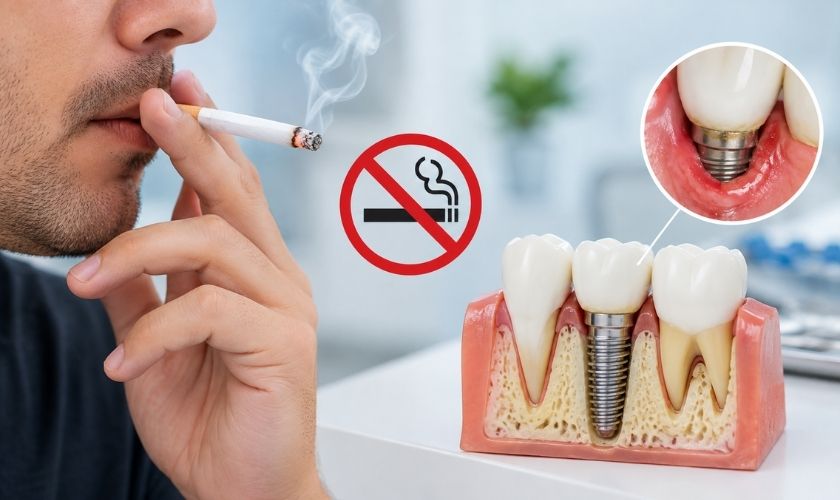
- Avoiding tobacco products
- Limiting sugary foods and drinks
These measures can support healing, but they should not be considered substitutes for professional care if symptoms continue.
How Can You Prevent Gum Problems?
Consistent oral hygiene and regular dental visits remain the most effective prevention strategies.
Build Strong Daily Habits
Prevention starts at home. Patients who maintain consistent brushing and flossing routines are less likely to develop plaque-related inflammation.
Schedule Regular Checkups
Professional cleanings remove hardened deposits that cannot be eliminated at home. Regular examinations also allow dentists to detect early signs of gum disease before symptoms become severe.
Pay Attention to Early Warning Signs
Many people ignore minor symptoms such as occasional bleeding or mild sensitivity. Addressing these concerns early often prevents more complicated treatment later.
At City Dental, Dr. Crofts frequently educates patients about recognizing subtle changes in their gums before they become significant problems.
Why Professional Evaluation Matters
Similar symptoms can have different causes, making an accurate diagnosis essential.
A patient may believe simple irritation caused the problem when the real issue is early periodontal disease. Another patient may assume that brushing harder will help, but it actually worsens inflammation.
A comprehensive evaluation identifies the source of the problem and determines the most appropriate treatment path. Modern diagnostic tools and preventive services available at a comprehensive dental practice help patients receive care based on their individual needs.
For patients seeking long-term oral health, a trusted dental practice can also recommend complementary services such as professional teeth cleaning, restorative care, or treatment for underlying infections when needed.
Protect Your Gum Health With Professional Care
If you are noticing persistent swelling, bleeding, tenderness, or other signs of gum disease, professional care can help identify the cause and guide the right treatment. At City Dental, Dr. Crofts and the team focus on preventive care, periodontal health, and patient education to help individuals maintain healthier smiles. As a trusted dental practice serving Portland and surrounding communities, we provide comprehensive evaluations and treatment options designed to address gum concerns before they become more serious.
Contact us today at 503-227-2883 to book an appointment with Dr. Crofts and take the next step toward healthier gums and a healthier smile.
Frequently Asked Questions
1. Why do my gums feel swollen even if I brush every day?
Daily brushing helps, but plaque can still accumulate in hard-to-reach areas. Improper flossing, tartar buildup, hormonal changes, or early gum disease may also contribute. If symptoms continue despite good home care, a professional evaluation can identify the cause and determine whether additional treatment is necessary.
2. Can swollen gums go away without treatment?
Mild irritation may improve when the cause is removed. However, symptoms linked to gingivitis, infection, or periodontal disease typically require professional care. Ignoring ongoing swelling can allow the condition to progress. A dental evaluation helps determine whether simple preventive care or more advanced treatment is needed.
3. Are bleeding gums always a sign of gum disease?
Not always, but bleeding often indicates inflammation. New flossing habits, temporary irritation, or certain health conditions can contribute. Because bleeding gums are also a common sign of gingivitis, scheduling an examination is a smart way to rule out more serious concerns and protect oral health.
4. Can stress affect gum health?
Yes. Stress can influence immune function, increase inflammation, and contribute to habits such as teeth grinding. These factors may make gum tissues more vulnerable to irritation and infection. If symptoms persist, a dental professional can evaluate your condition and recommend appropriate treatment options.
5. What happens if periodontal disease is left untreated?
Untreated periodontal disease can damage gum tissue and supporting bone structures. Over time, it may lead to tooth mobility, tooth loss, and more complex treatment needs. Early intervention provides the greatest opportunity to manage the condition and maintain long-term gum health.