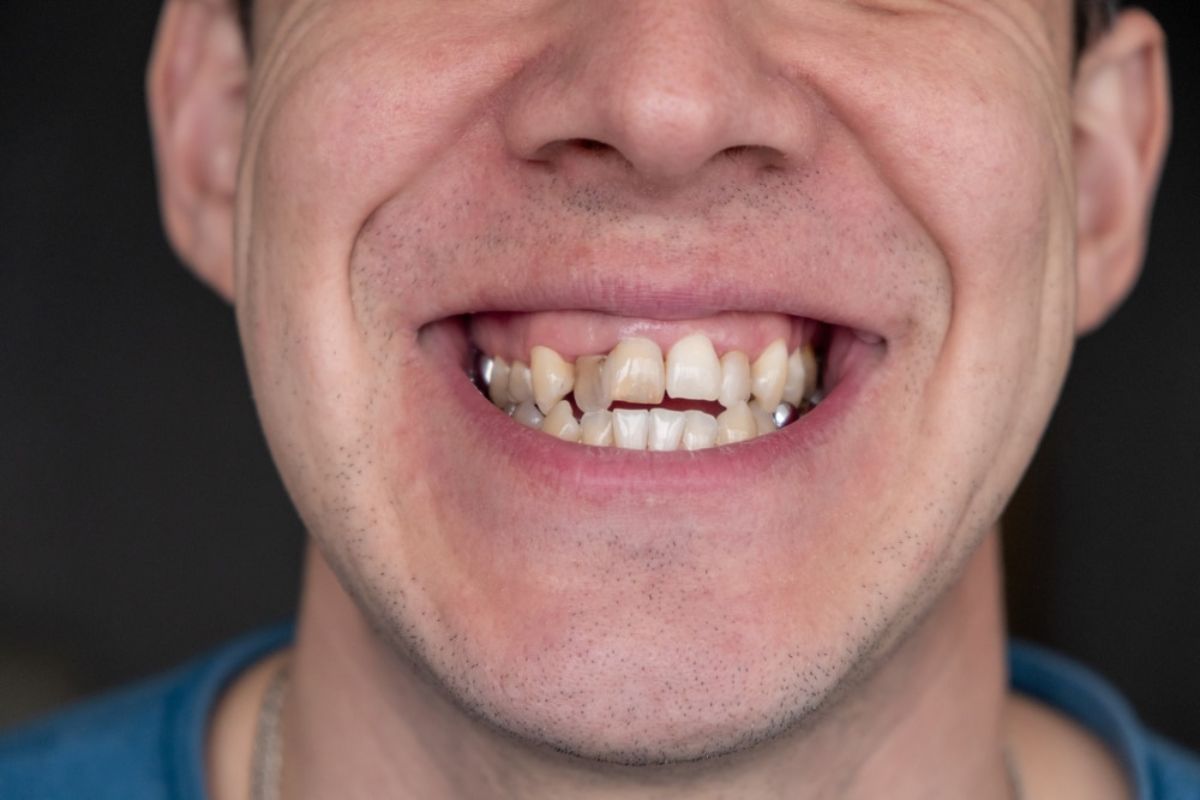

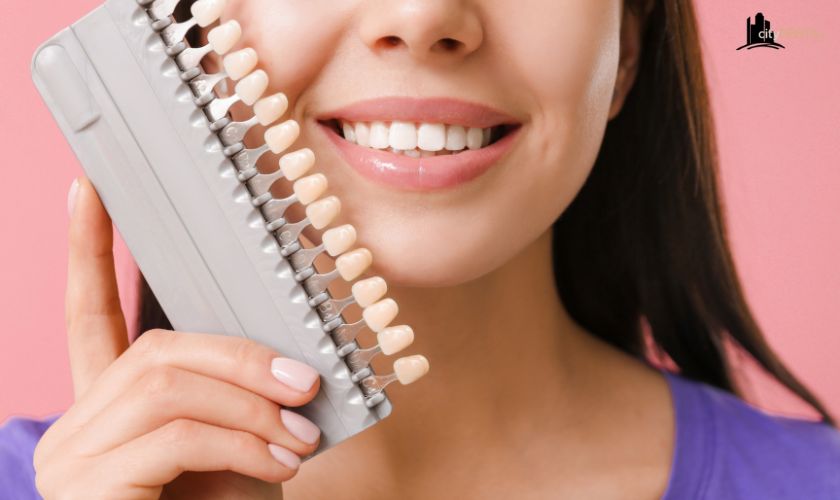
Both dental bonding and veneers are popular options for improving the appearance of your smile. However, they differ in several key aspects, including material, procedure, cost, and longevity. Let’s explore the differences to help you understand which option might be best for you.
Material:
- Dental Bonding: This procedure uses a tooth-colored composite resin, similar to the material used for fillings. The dentist applies the resin directly to the tooth and sculpts it to the desired shape.
- Veneers: These are thin, custom-made shells, usually composed of porcelain or composite resin. They are fabricated in a dental lab and then bonded to the front surface of the tooth.
Procedure:
- Dental Bonding: This is a relatively quick and straightforward procedure. The dentist roughens the tooth surface and applies the bonding material, shaping and hardening it with a special light.
- Veneers: The process for veneers is more involved. It typically requires multiple appointments. The dentist first prepares the tooth by removing a small amount of enamel to create space for the veneer. Impressions are taken of the teeth, and the veneers are custom-made in a dental lab. Finally, the dentist bonds the veneers to the prepared teeth.
Cost:
- Dental Bonding: This is generally a more affordable option compared to veneers.
- Veneers: Due to the custom fabrication and material used, veneers are typically more expensive than bonding.
Longevity:
- Dental Bonding: Bonding material can last for 5-10 years with proper care. However, it may chip or stain over time and require repair or replacement.
- Veneers: Porcelain veneers are highly durable and can last for 10-20 years or even longer with proper care.
Additional Considerations:
- Appearance: Both bonding and veneers can create a natural-looking smile. However, veneers may offer a slightly more polished and translucent appearance due to the high-quality materials used.
- Versatility: Bonding can be used to address various concerns, including chipped teeth, gaps, minor misalignments, and stained teeth. Veneers are primarily used for cosmetic purposes and are best suited for covering larger areas of the tooth.
Ultimately, the best choice between dental bonding and veneers depends on your individual needs, budget, and desired outcome. Consulting with your dentist in Portland can help you determine the most suitable option for your specific situation.