

Most people know they should brush and floss daily, yet many are surprised when their dentist points out tartar buildup during a routine exam. Tartar is one of the most common oral health concerns because it forms quietly and often goes unnoticed until it becomes visible or begins affecting the gums.
What makes tartar important is that it cannot be removed at home once it hardens. Left untreated, it creates an environment where harmful bacteria can thrive, increasing the risk of cavities, gum disease, bad breath, and tooth loss. According to the Centers for Disease Control and Prevention (CDC), nearly half of adults aged 30 and older have some form of gum disease, making prevention a critical part of maintaining long-term oral health.
At City Dental, Dr. Rusty Crofts and Dr. Yu Han regularly help patients prevent and manage tartar buildup before it develops into more serious concerns. One of the most common misconceptions they hear is that brushing harder can remove tartar. In reality, once plaque hardens, professional treatment becomes necessary. Through routine cleanings, early detection, and personalized preventive strategies, our team helps patients maintain healthier smiles for years to come. If you are concerned about tartar buildup or overdue for a cleaning, visit our dental office for a personalized evaluation.
What Is Tartar and How Does It Form?
Tartar is hardened plaque. It develops when plaque remains on teeth long enough to combine with minerals found naturally in saliva.
Plaque is a sticky bacterial film that forms on teeth every day. After meals and snacks, oral bacteria feed on leftover food particles and produce plaque. If that plaque is not removed through brushing and flossing, it begins to harden.
Within a relatively short period, minerals in saliva can transform soft plaque into tartar. Unlike plaque, tartar bonds tightly to the tooth surface and cannot be removed with a toothbrush.
Tartar commonly forms:
- Along the gumline
- Between teeth
- Behind the lower front teeth
- Around dental restorations
- In areas that are difficult to clean thoroughly
The rough surface created by tartar allows even more plaque to accumulate, creating a cycle that becomes progressively harder to manage without professional care.
What Causes Tartar Buildup on Teeth?
Tartar develops when plaque remains on teeth long enough to mineralize. Several lifestyle, anatomical, and biological factors can increase the speed of tartar formation.
Inadequate Plaque Removal
The most common cause of tartar is incomplete plaque removal. Skipping brushing, rushing through oral hygiene routines, or flossing inconsistently allows plaque to remain on the teeth long enough to harden.
Frequent Consumption of Sugary and Starchy Foods
Oral bacteria thrive on sugars and refined carbohydrates. Frequent snacking creates a steady food source for bacteria, increasing plaque accumulation throughout the day.
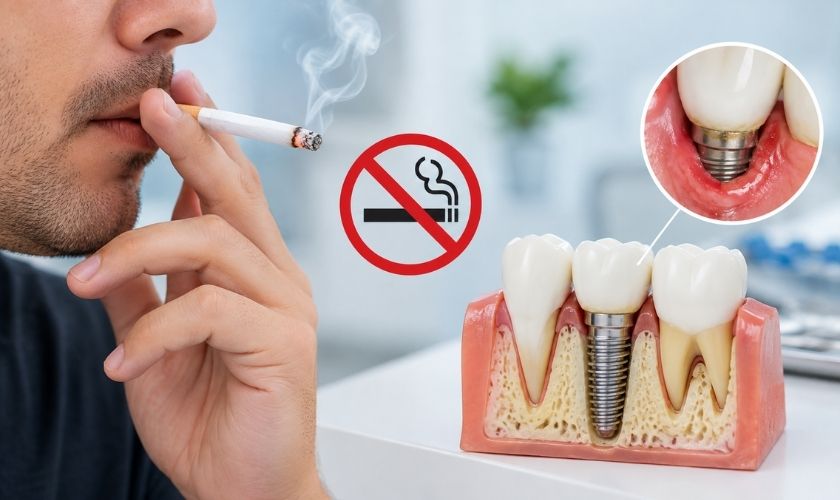
Tobacco Use
Smoking and tobacco products encourage faster plaque and tartar accumulation while increasing the likelihood of gum disease and staining.
Dry Mouth
Saliva helps neutralize acids and wash away food debris. Individuals with reduced saliva flow often experience faster plaque buildup.
Skipping Professional Dental Cleanings
Even people who maintain excellent home care can develop tartar in hard-to-reach areas. Routine professional cleanings remove deposits before they become problematic.
Why Do Some People Develop Tartar Faster Than Others?
Some people are naturally more prone to tartar buildup due to biological factors, tooth alignment, medications, or genetics.
This is an important point that many online articles overlook.
Several factors can accelerate tartar formation:
- Naturally higher mineral content in saliva
- Crowded or overlapping teeth
- Orthodontic appliances
- Chronic mouth breathing
- Certain prescription medications that reduce saliva production
- Family history of increased tartar accumulation
At City Dental, we often see patients who brush regularly but still develop tartar faster than expected. Understanding these risk factors helps create a more personalized prevention strategy.
Why Is Tartar Harmful?
Tartar provides a protected surface where bacteria can grow. Over time, this can damage both teeth and gums.
Many people assume tartar is mainly a cosmetic issue because it often appears yellow or brown. However, the health effects are much more significant.
As tartar creates a rough surface that continuously attracts bacteria, delaying treatment allows these risks to increase over time.
How Can You Prevent Tartar From Forming?
The best way to prevent tartar is to remove plaque before it hardens. Consistent home care combined with routine professional cleanings provides the strongest protection.
Brush Thoroughly Twice Daily
Use fluoride toothpaste and brush for at least two minutes. Focus carefully on the gumline, where plaque often accumulates first.
Floss Every Day
Flossing removes plaque between teeth and beneath areas that toothbrush bristles cannot effectively reach.
Reduce Frequent Sugar Exposure
Limiting sugary beverages and snacks reduces the fuel available for plaque-producing bacteria.
Drink More Water
Water helps rinse away food particles and supports healthy saliva production.
Keep Up With Regular Dental Visits
Professional cleanings remove tartar that cannot be addressed at home. They also allow your dental team to identify concerns before symptoms become noticeable.
For many patients, routine appointments are one of the most effective forms of preventive care in Portland because they help stop minor plaque accumulation from developing into larger oral health concerns.
How Local Lifestyle Habits Can Influence Tartar Buildup
Everyday habits often play a larger role in tartar formation than people realize.
Many residents rely on multiple cups of coffee throughout the day, especially during cooler, rainy months. While coffee itself does not directly cause tartar, frequent sipping can contribute to plaque accumulation when oral hygiene habits fall behind.
Likewise, enjoying popular local pastries, artisan baked goods, and sweet beverages can increase bacterial activity if food particles remain on teeth for extended periods.
The issue is not enjoying these favorites. The key is balancing them with proper brushing, flossing, hydration, and routine professional care.
This is one reason why preventive care in Portland remains so important. Daily habits, even seemingly harmless ones, can influence oral health more than many people realize.
How Professional Teeth Cleaning Treats Tartar
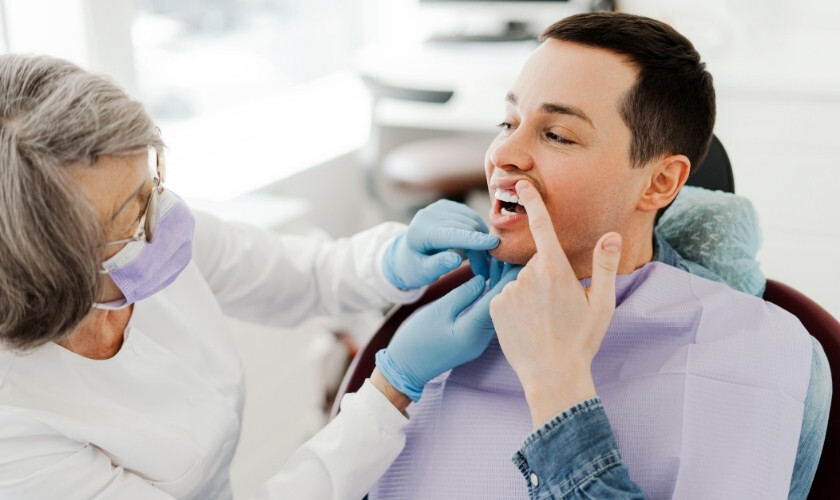
Professional teeth cleaning removes hardened tartar safely and thoroughly using specialized instruments.
Once tartar forms, brushing harder will not remove it. Professional treatment is necessary.
At City Dental, professional cleanings are designed to remove plaque, tartar, and surface stains while supporting overall gum health.
Comprehensive Oral Evaluation
Your appointment begins with a careful assessment of your teeth and gums. This helps identify any developing concerns before they become more significant.
Tartar Removal
Specialized instruments are used to remove tartar deposits above and around the gumline.
Tooth Polishing
After tartar removal, polishing smooths the tooth surface and helps reduce future plaque accumulation.
Personalized Oral Hygiene Recommendations
Every patient receives individualized guidance based on their oral health needs, risk factors, and lifestyle habits.
Professional cleanings provide more than tartar removal. They also offer an opportunity to monitor gum health, evaluate home care effectiveness, and identify concerns early.
Signs You May Already Have Tartar
Tartar is often visible and can cause noticeable changes in your mouth.
Common signs include:
- Yellow or brown deposits near the gumline
- Rough-feeling teeth
- Persistent bad breath
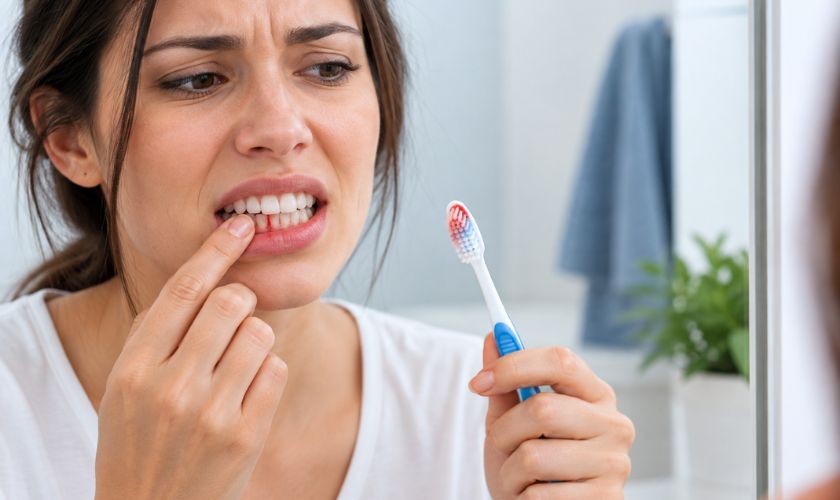
- Bleeding while brushing or flossing
- Swollen or irritated gums
- Increased tooth sensitivity
If you notice these symptoms, scheduling an evaluation is recommended because tartar will continue accumulating until it is professionally removed.
Protecting Your Smile Starts With Prevention
Tartar is one of the few dental problems that becomes more difficult to address the longer it is ignored. What begins as a thin layer of plaque can eventually contribute to gum disease, chronic bad breath, and avoidable dental complications.
Every smile is different, which is why personalized care matters. If you have noticed tartar buildup, bleeding gums, or changes in your oral health, scheduling a diagnostic evaluation can help identify concerns early and create a plan that fits your specific needs.
Healthy smiles begin with prevention. If you are concerned about tartar buildup or want to maintain healthier teeth and gums, book an appointment with City Dental today to receive personalized guidance and preventive care designed specifically for your oral health goals.
Frequently Asked Questions
1. How quickly can plaque turn into tartar?
Plaque can begin hardening within a relatively short period if it remains on teeth. Consistent brushing and flossing help prevent this process before tartar forms.
2. Can electric toothbrushes prevent tartar?
Electric toothbrushes can improve plaque removal when used correctly. However, they cannot remove tartar once it has hardened onto teeth.
3. Is tartar more common as people get older?
Tartar can become more common with age due to changes in saliva production and gum recession. Consistent preventive care helps reduce the risk.
4. Can tartar form below the gumline?
Yes. Tartar can develop both above and below the gumline. Subgingival tartar often requires professional treatment because it is not visible.
5. Why does tartar usually form behind lower front teeth?
The salivary glands located beneath the tongue release minerals that contribute to tartar formation. This area often accumulates tartar more quickly.
6. Can diet affect how much tartar develops?
Yes. Frequent consumption of sugary and starchy foods increases plaque formation. More plaque creates greater opportunities for tartar development.
7. How often should professional cleanings be scheduled?
The ideal schedule varies for each patient. Most individuals benefit from routine preventive visits, while some may require more frequent cleanings based on risk factors.