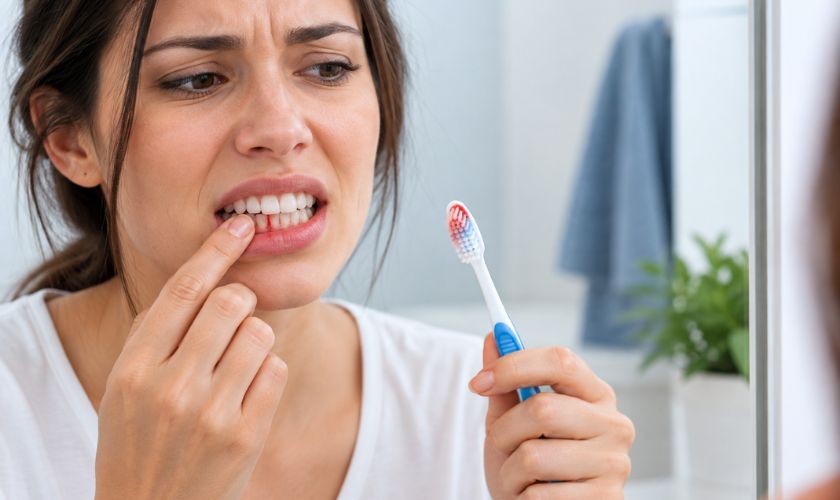



Tooth pain can feel more intense at night, making it difficult to fall asleep or stay comfortable. A mild ache during the day may become a throbbing sensation when you lie down. This discomfort can result from tooth decay, gum inflammation, infection, or other oral health problems that need attention. Understanding the causes of nighttime tooth pain can help you find temporary relief and determine when professional care is necessary.
For people in Portland, recognizing the warning signs early can help prevent a manageable dental problem from becoming more serious.
Why Does Tooth Pain Get Worse at Night?
Several factors can make tooth pain more noticeable after bedtime. During the day, conversations, work, and daily activities may distract you from discomfort. At night, a quiet environment makes it easier to focus on the ache.
Lying flat may also increase blood flow and pressure in the head, potentially making an inflamed tooth feel more painful. However, nighttime discomfort is not always caused by body position. The underlying dental condition is often the main reason the pain persists or worsens.
Common Causes of Nighttime Tooth Pain
1. Tooth Decay and Cavities
Cavities develop when bacteria and acids damage the protective enamel. As decay progresses deeper into the tooth, it may reach the sensitive inner tissues, causing pain that becomes more noticeable at night. You might also experience sensitivity to hot, cold, or sweet foods.
2. Inflammation Inside the Tooth
The pulp contains nerves and blood vessels that help keep a tooth alive. Deep decay, cracks, or repeated dental procedures can inflame this tissue. The resulting pain may feel sharp, persistent, or throbbing, especially when you try to sleep.
3. Gum Disease or a Dental Abscess
Inflamed gums can cause tenderness, swelling, and bleeding. A dental abscess, which is a pocket of infection, may produce severe pain, pressure, a bad taste, or facial swelling. These symptoms should not be ignored because an untreated infection can spread.
4. Teeth Grinding or Jaw Clenching
Some people clench their jaws or grind their teeth while sleeping. This habit places repeated pressure on teeth and jaw muscles, leading to soreness, headaches, and sensitivity when waking up. Stress, sleep disturbances, and bite-related issues may contribute to the problem.
5. Cracked Teeth or Food Trapped Between Teeth
A small crack may cause pain when chewing or when exposed to temperature changes. Food trapped between teeth can irritate the gums and create pressure. Gentle cleaning may help when debris is responsible, but persistent pain requires an examination.
Practical Ways to Relieve Tooth Pain at Night
Although home care may reduce discomfort temporarily, it cannot repair a cavity or eliminate a dental infection. Consider these measures while arranging appropriate care:
- Rinse with warm salt water: Dissolve half a teaspoon of salt in a glass of warm water, rinse gently, and spit it out.
- Clean between the teeth: Carefully floss to remove trapped food without irritating the gums.
- Apply a cold compress: Hold a cold pack wrapped in a towel against the outside of your cheek for short intervals, particularly if swelling is present.
- Keep your head elevated: Use an extra pillow to raise your head slightly and see whether the pressure feels less intense.
- Avoid trigger foods: Stay away from very hot, cold, sugary, or hard foods that aggravate the affected area.
- Consider suitable pain relief: An over-the-counter medication may help when used according to its label. Ask a pharmacist or healthcare professional if you have medical conditions, take other medicines, or are unsure which option is safe.
Never place aspirin directly on a tooth or gum, as it can damage the tissue. Avoid using leftover antibiotics or applying household substances to the affected area.
When Should You Seek Professional Dental Care?
Tooth pain that repeatedly wakes you up, lasts more than a day or two, or interferes with eating should be evaluated promptly. A qualified oral health professional can identify the cause and recommend appropriate treatment, such as a filling, root canal therapy, gum treatment, or extraction when necessary.
People experiencing severe discomfort can explore emergency dentistry in Portland to determine whether urgent evaluation is appropriate. Seek immediate medical attention if tooth pain is accompanied by difficulty breathing or swallowing, or rapidly spreading swelling involving the face or neck.
At City Dental, patients can learn about available options for addressing dental discomfort and protecting their oral health. Early evaluation may help limit complications and reduce the chance of recurring nighttime pain.
How to Prevent Tooth Pain From Returning
Consistent oral hygiene is an important part of preventing problems that can cause nighttime discomfort. Brush twice daily with fluoride toothpaste, floss once a day, limit frequent sugary snacks, and attend regular dental checkups. Avoid chewing hard objects, and discuss persistent jaw soreness or suspected grinding with a dental professional.
If tooth pain continues despite home care, contact us to learn about appropriate next steps. Timely attention can help identify the source of discomfort before it affects sleep, eating, and everyday activities.
For Portland residents, knowing when to seek care is just as important as maintaining a daily oral hygiene routine. If recurring discomfort is affecting your rest, plan to visit our dental office for an assessment and guidance tailored to your needs.
Frequently Asked Questions
- Why does tooth pain feel worse when I lie down?
Lying flat may increase pressure in the head and make inflammation-related discomfort more noticeable. Reduced distractions at night can also make pain feel stronger, although the underlying dental problem remains important.
- Can a cavity cause tooth pain only at night?
Yes. A cavity may cause intermittent sensitivity or pain that becomes more noticeable at night. If decay reaches the inner tooth tissues, discomfort may become persistent and require professional evaluation and treatment.
- How can I sleep with a toothache?
Try keeping your head elevated, using a cold compress, rinsing gently with warm salt water, and avoiding trigger foods. These steps may provide temporary relief but will not treat the underlying cause.
- Is nighttime tooth pain a sign of infection?
It can be, especially when accompanied by swelling, fever, pus, a bad taste, or worsening pain. However, cavities, cracks, and nerve inflammation can also cause nighttime discomfort without an infection.
- Should I brush my teeth if they hurt at night?
Yes. Continue brushing gently with a soft-bristled toothbrush and fluoride toothpaste. Clean carefully around the painful area, and avoid aggressive brushing that could irritate sensitive teeth or inflamed gums.
- When does a toothache become an emergency?
Severe or rapidly worsening pain, facial swelling, fever, or difficulty opening your mouth may require urgent assessment. Difficulty breathing or swallowing, or rapidly spreading swelling, requires immediate medical attention.
- Can teeth grinding cause pain while sleeping?
Yes. Grinding or clenching can strain the teeth, jaw muscles, and surrounding tissues. You may notice morning soreness, headaches, tooth sensitivity, or worn teeth. A professional assessment can help identify suitable management options.