

Tender gums, minor mouth sores, and discomfort after dental treatment can make eating and brushing unpleasant. A saltwater rinse may provide temporary relief while helping to keep sensitive areas clean. This simple home-care method uses warm water and sodium chloride to gently flush food particles and debris from the mouth.
However, saline rinsing is supportive care, not a cure for tooth decay, gum disease, or infection.
At City Dental, Dr. Crofts encourages patients to understand when home remedies are appropriate and when symptoms require clinical attention. Families seeking a dentist in Portland should also remember that brushing with fluoride toothpaste, flossing, and routine examinations remain the foundation of long-term oral health.
What Is a Salt Water Rinse?
A saltwater rinse is a mixture of table salt and warm water used to rinse the teeth, gums, and other oral tissues. Salt creates a mildly alkaline saline solution that can make the mouth less favorable for some bacteria. The warm liquid may also loosen debris and calm irritated tissues.
The rinse does not sterilize the mouth. It also lacks fluoride, so it cannot strengthen enamel or provide the cavity protection associated with fluoride toothpaste and certain therapeutic mouthwashes.
What Are the Main Oral Health Benefits?
When used correctly and for a limited period, a salt water rinse may support oral healing in several ways:
- Soothes irritated gums: Warm saline may temporarily ease tenderness associated with mild gum inflammation.
- Cleans difficult areas: Gentle rinsing can dislodge food particles around sensitive gums, orthodontic appliances, or healing tissues.
- Supports healing: Saline is commonly recommended after certain oral procedures because it can help keep the treatment area clean.
- Relieves minor mouth sores: The solution may reduce discomfort from canker sores, cheek bites, or irritation caused by braces.
- Reduces unpleasant breath temporarily: Removing trapped debris can briefly improve breath, although persistent odor may indicate another condition.
- Offers an alcohol-free option: Saline does not contain the alcohol found in some commercial mouthwashes.
Research has found warm saline rinsing beneficial after dental extractions, but the instructions and timing matter. It should be used only after a procedure, according to the care directions provided by the clinical team.
When Can You Use It?
A salt water rinse may be considered for short-term support in several situations:
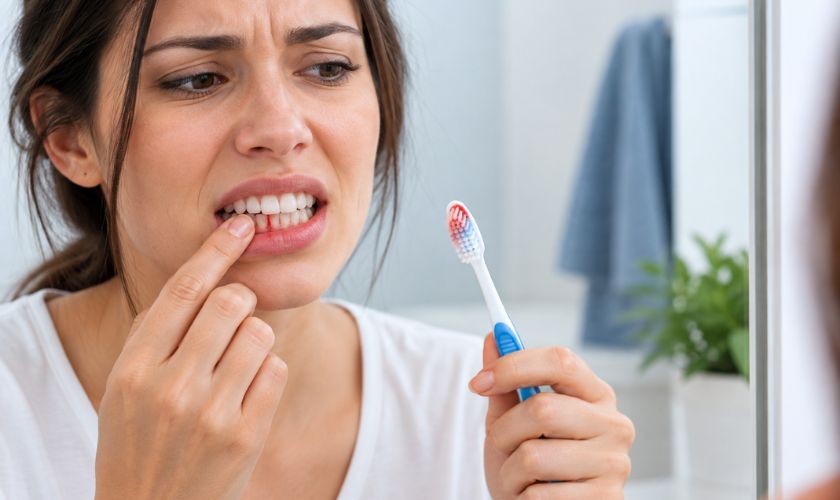
- Mild gum tenderness or occasional bleeding
- Minor canker sores and accidental cheek bites
- Irritation from braces or removable appliances
- Food trapped near sensitive gum tissue
- Recovery after an extraction or oral procedure, when approved
- Temporary toothache relief while arranging an examination
Dr. Crofts advises patients not to use symptom relief as a reason to delay diagnosis. Tooth pain, swelling, recurring bleeding, or persistent bad breath can signal decay, periodontal disease, a damaged tooth, or an abscess. If these symptoms occur, visit our dental office in Portland for an evaluation with our dentist.
How to Prepare and Use It Safely
To make a basic salt water rinse, follow these steps:
- Add one-half teaspoon of table salt to eight ounces of warm water.
- Stir until the salt dissolves completely.
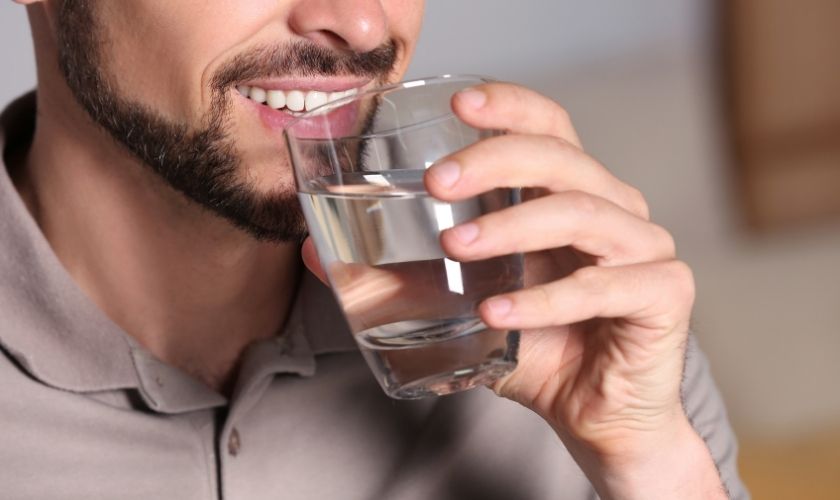
- Take a small sip without swallowing.
- Gently move the solution around the affected area for 15 to 30 seconds.
- Spit it into the sink.
- Continue until the prepared cup is empty, if instructed.
Use warm water, not hot water, because excessive heat can irritate or burn oral tissues. Prepare a fresh solution each time. Unless your care team provides different instructions, avoid frequent or long-term use.
Important Precautions for Adults and Children
Although a saltwater rinse is simple to prepare, it is not appropriate for everyone or for every dental problem.
- Never swallow the solution. Swallowing salty water may cause nausea and adds unnecessary sodium.
- Supervise children carefully. Young children who cannot reliably rinse and spit should not use it. The ADA generally advises that children younger than six avoid mouthrinse unless directed by a dental professional.
- Do not rinse immediately after an extraction. Early or forceful rinsing may disturb the protective blood clot. Follow the timing in your postoperative instructions.
- Avoid overly concentrated mixtures. Extra salt does not provide extra healing. A strong solution may sting and irritate delicate tissue.
- Do not replace daily hygiene. Continue brushing twice daily with fluoride toothpaste and cleaning between the teeth.
- Consider medical conditions. People following sodium restrictions or managing certain health conditions should ask their healthcare provider before repeated use.
When Does a Mouth Problem Need Professional Attention?
Arrange an evaluation if pain lasts more than one or two days, swelling develops, or symptoms continue to worsen. Prompt care is also important for fever, facial swelling, pus, difficulty swallowing, uncontrolled bleeding, or a broken tooth.
A mouth sore, red or white patch, lump, or area of irritation that remains for two weeks should be examined. Persistent oral changes may require further investigation rather than continued home treatment.
Protect Your Oral Health in Portland
A saltwater rinse can be a useful short-term addition to home care, but it cannot identify or treat the underlying cause of persistent symptoms. Early evaluation can prevent a minor concern from developing into a more complex problem.
If you need preventive care or want unexplained discomfort examined, contact our practice to book an appointment with our family-friendly dentist. A timely visit can help you protect your teeth, gums, and overall comfort.
Frequently Asked Questions
1. Can saline rinsing cure a gum infection?
No. It may temporarily soothe inflamed tissue and remove loose debris, but it cannot eliminate infection beneath the gums. Bleeding, swelling, pus, or persistent tenderness requires an examination and appropriate general oral care.
2. How often should I rinse my mouth with warm saline?
Frequency depends on why you are using it. Short-term use once or twice daily may be appropriate for minor irritation. After a procedure, follow the exact schedule provided by your oral care team.
3. Can children rinse with warm saline?
Only children who can rinse and spit reliably should attempt it, and adult supervision is essential. Younger children may swallow the mixture. Ask an oral care professional before adding any mouthwash to a child’s routine.
4. Does saline prevent cavities?
No. Saline contains no fluoride and does not replace twice-daily brushing, interdental cleaning, or preventive examinations. Fluoride toothpaste helps strengthen enamel, while regular visits allow early decay to be identified and addressed.
5. Can I use saline immediately after tooth removal?
Do not rinse during the first 24 hours unless your care team specifically instructs you to do so. Rinsing too early or forcefully may disturb the blood clot that protects the healing socket.
6. Why do my gums still bleed after rinsing?
Ongoing bleeding may result from plaque buildup, gingivitis, periodontitis, aggressive brushing, medication, or another health issue. Because rinsing cannot determine the cause, arrange a professional evaluation and personalized oral hygiene guidance.