


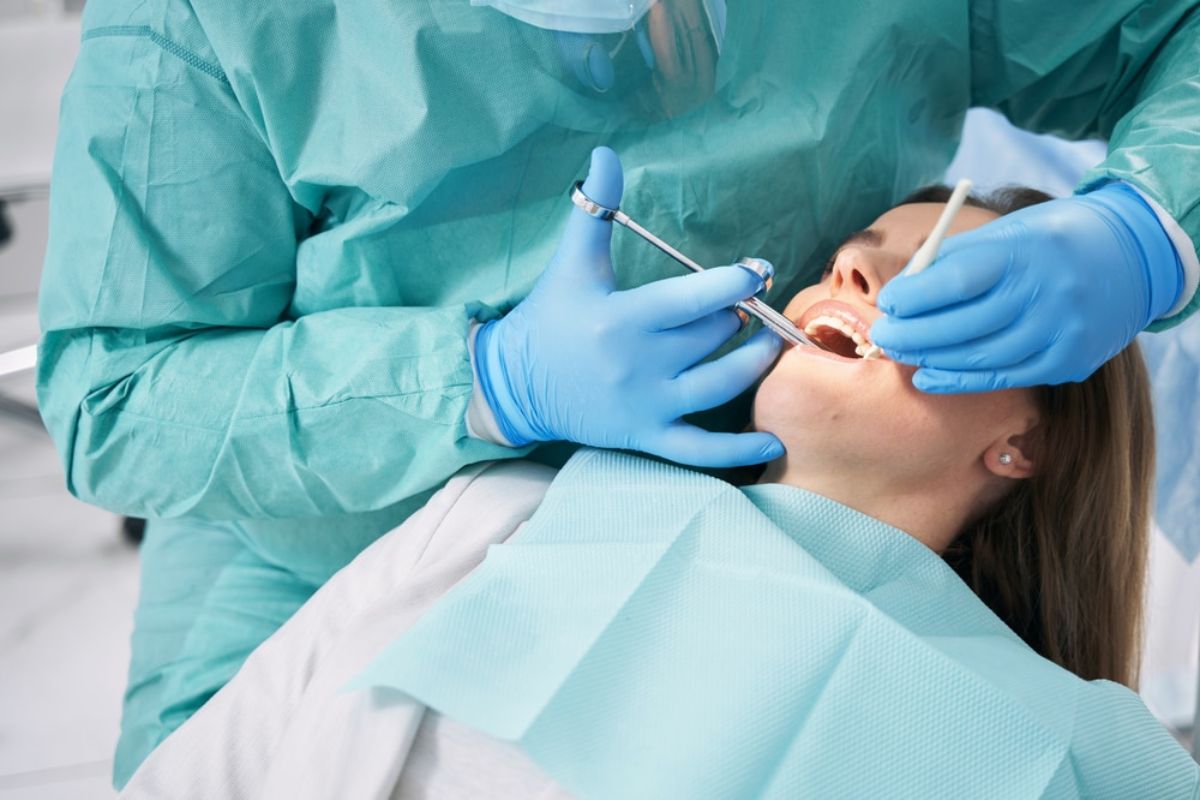
Sedation dentistry helps patients feel calm and relaxed during dental procedures. Whether you had a simple treatment or a more involved procedure, understanding the recovery process can help you feel prepared and confident. Knowing what to expect after your visit makes healing smoother and reduces unnecessary stress.
At City Dental, patient comfort and safety are always a priority. If you recently received sedation, here’s a clear guide to help you recover comfortably at home.
Understanding Sedation Dentistry
Sedation dentistry uses medication to help patients relax during dental treatment. Depending on your needs, you may receive:
- Oral sedation (a pill taken before treatment)
- Nitrous oxide (laughing gas)
- IV sedation
Each type of sedation affects the body differently, so recovery times may vary. Most patients feel relaxed and drowsy afterward, but serious side effects are rare when instructions are followed properly.
Immediately After Your Procedure
Right after treatment, you may feel:
- Sleepy or groggy
- Lightheaded
- Slightly unsteady when walking
- Mild nausea (in some cases)
These feelings are normal and usually wear off within a few hours. If you received oral or IV sedation, you will need a trusted adult to drive you home. Your coordination and judgment may be temporarily reduced.
It is best to go home and rest for the remainder of the day.
The First 24 Hours
The first day after sedation is important for recovery. During this time:
- Avoid driving or operating machinery
- Do not make major decisions
- Stay hydrated with water
- Eat soft, easy-to-digest foods
- Avoid alcohol
Your body needs time to fully process the sedative medication. Even if you feel better after a few hours, mild drowsiness can continue.
Eating and Drinking After Sedation
Start with light foods such as:
- Soup
- Yogurt
- Scrambled eggs
- Smoothies
- Mashed potatoes
Avoid hot foods until the numbness wears off to prevent accidentally biting your cheek or tongue. If you had additional dental work done, follow the specific care instructions provided after your procedure.
Drink plenty of water throughout the day to help flush medication from your system.
Managing Discomfort
Some discomfort may be related to the dental procedure rather than the sedation itself. You may experience:
- Mild soreness
- Tender gums
- Jaw stiffness
Use prescribed or recommended pain medication as directed. Cold compresses can help reduce swelling if needed.
If discomfort feels severe or unusual, contact your dental provider right away.
Emotional and Mental Effects
It is common to feel:
- Slightly confused right after treatment
- Emotionally or talkative
- Extra sleepy
These effects are temporary and typically fade within hours. Rest is the best remedy.
Returning to Normal Activities
Most patients can return to normal routines the next day. However, if you had deeper sedation, your dentist may recommend taking a full day off from work or school.
Always follow the personalized aftercare instructions given to you. If you are unsure about anything during recovery, it is best to call your provider at 5036833934 for guidance.
When to Seek Medical Attention
Although rare, contact your dentist or seek medical care if you experience:
- Difficulty breathing
- Persistent vomiting
- Severe dizziness
- Allergic reactions such as rash or swelling
- Unusual pain that worsens instead of improving
Prompt attention ensures your safety and peace of mind.
Tips for a Smooth Recovery
Here are simple steps to make recovery easier:
- Arrange transportation in advance.
- Prepare soft foods before your appointment.
- Plan to rest for the remainder of the day.
- Follow medication instructions carefully.
- Keep follow-up appointments as recommended.
If you are planning a procedure and would like to learn more, you can book an appointment and speak with the team about your options. We welcome you to visit our dental office for personalized care and comfort-focused treatment.
Frequently Asked Questions (FAQs)
- How long does sedation stay in the body?
Most sedation medications wear off within a few hours, but mild drowsiness may last up to 24 hours, depending on the type used.
- Is it normal to feel tired the next day?
Yes, some patients feel slightly tired the following day, especially after oral or IV sedation. Resting helps your body recover fully.
- Can I eat right after sedation dentistry?
You can eat once you are fully awake. Start with soft foods and avoid hot items until numbness has completely worn off.
- Is nausea common after sedation?
Mild nausea can happen in some cases. Drinking water and resting usually help resolve this quickly.
- When can I drive again?
You should avoid driving for at least 24 hours after oral or IV sedation, or until your dentist confirms it is safe.
- Are there any long-term side effects?
Sedation dentistry is considered safe for most patients. Long-term side effects are extremely rare when administered properly.
- Who is a good candidate for sedation dentistry?
Patients with dental anxiety, strong gag reflex, or those undergoing longer procedures often benefit from sedation options.


