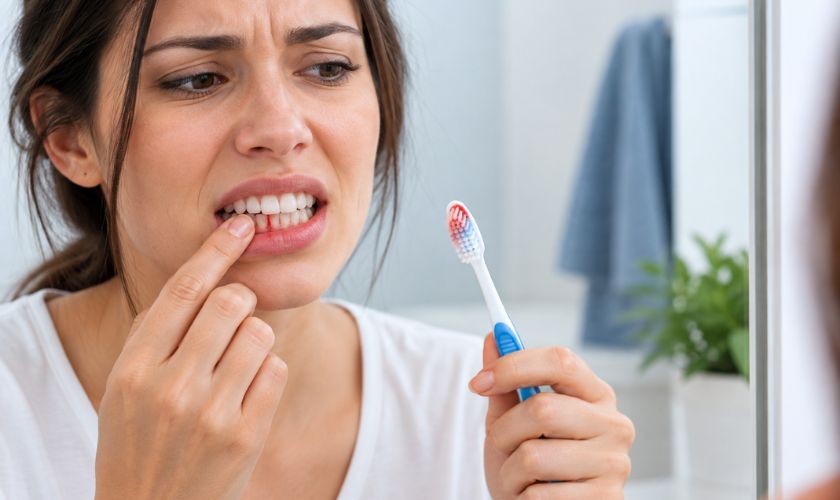



Few dental issues disrupt your daily life quite like a severely decayed or “rotten” tooth. Beyond the physical discomfort, decaying teeth can sap your confidence when smiling, make eating your favorite foods painful, and lead to more complex health complications if left untreated. If you have noticed visible discoloration, persistent bad breath, or sharp sensitivity, understanding what causes tooth decay is the first essential step toward restoring your oral health and peace of mind.
At City Dental, our dedicated team is passionate about protecting and restoring healthy smiles across the Pacific Northwest. Led by our experienced dentists, Dr. Rusty Crofts and Dr. Yu Han, our premier dental office combines compassionate care with advanced restorative techniques to keep your smile looking and feeling its best.
This comprehensive guide explores the main causes of tooth decay, explains how it develops, and offers practical, expert-approved tips to protect your teeth long-term.
What Does “Rotten” Tooth Mean?
In clinical terms, a “rotten tooth” refers to a tooth experiencing advanced dental caries, more commonly known as tooth decay or cavities. Tooth enamel is the hardest substance in the human body, but it is not invincible. When acidic conditions persist inside your mouth, this protective outer shell dissolves, allowing bacteria to invade the deeper layers of the tooth structure.
When decay is left unchecked, it travels past the outer enamel and into the softer inner layer called the dentin. From there, it can reach the pulp, the nerve center of the tooth, causing severe pain, structural breakdown, and infection.
Common Signs of Advanced Decay
- Visible dark spots or discoloration: Teeth turning dark brown, black, or chalky white.
- Persistent tooth pain: A lingering ache or sudden, sharp pain when biting down.
- Temperature sensitivity: Discomfort when enjoying hot coffee from a local Portland café or an ice-cold beverage.
- Bad breath (Halitosis): Unpleasant taste or odor caused by active bacterial infection.
- Visible holes or pit marks: Noticeable structural damage or chips along the tooth surface.
The Primary Cause: Acid-Producing Bacteria and Biofilm
If we pin down the single primary cause of rotten teeth, it comes down to a destructive chemical process fueled by bacteria, sugar, and acid.
Your mouth naturally hosts hundreds of species of microscopic organisms. Most are harmless, but specific strains, such as Streptococcus mutans, feed on the carbohydrates and sugars left behind from the foods and drinks you consume.
Here is how the cycle unfolds:
- Plaque Formation: When you consume food, sugars interact with the bacteria naturally present in your mouth, forming a sticky, transparent film known as plaque.
- Acid Production: As bacteria metabolize these sugars, they release organic acids as a byproduct.
- Demineralization: These acids erode vital minerals (calcium and phosphate) from your tooth enamel. Repeated acid attacks over time cause microscopic openings to form, eventually leading to cavities.
Without regular removal through brushing, flossing, and professional cleanings, plaque hardens into tartar (calculus). Tartar creates a rough surface that attracts even more bacteria, accelerating the rotting process underneath.
Contributing Risk Factors That Accelerate Tooth Rot
While acid-producing bacteria are the direct engine of decay, several biological, lifestyle, and environmental factors significantly increase your risk.
Poor Oral Hygiene Habits
Inconsistent brushing and flossing are among the most common catalysts for decay. Skipping night-time brushing is particularly damaging because your mouth produces less saliva while you sleep, removing your body’s natural rinse mechanism against acids.
Diets High in Sugars and Refined Carbohydrates
Consistently snacking on sugary treats, dried fruits, sodas, and energy drinks keeps your mouth in a constant state of high acidity. It’s not just about the amount of sugar you eat, but also how frequently you indulge. Sipping on sugary beverages over several hours gives bacteria a constant food source, keeping enamel under relentless acid attack.
Chronic Dry Mouth (Xerostomia)
Saliva is your mouth’s natural defense system. It neutralizes acids, helps flush away lingering food particles, and contains calcium and phosphate to remineralize enamel. Dry mouth can stem from:
- Prescription medications (e.g., antihistamines, blood pressure drugs, antidepressants).
- Dehydration.
- Decongestant overuse or mouth-breathing during sleep.
- Medical conditions like Sjögren’s syndrome.
Without adequate saliva flow, tooth decay can progress rapidly across multiple teeth simultaneously.
Receding Gums and Age
As we age, or as a result of gum disease (periodontitis), our gums can pull back from the teeth. Gum recession exposes the tooth’s root surface, which is covered by cementum rather than enamel. Cementum is significantly softer than enamel and decays at a much faster rate.
Acid Reflux, GERD, and Frequent Vomiting
Conditions that cause stomach acid to travel into the oral cavity, such as Gastroesophageal Reflux Disease (GERD), morning sickness, or bulimia, introduce extremely harsh acids directly onto your teeth. This thins the enamel rapidly, making teeth highly susceptible to decay.
Worn Fillings or Dental Appliances
Over time, old fillings can leak, crack, or break around the edges. These micro-gaps allow bacteria and food debris to slip underneath the restoration where toothbrushes cannot reach, leading to hidden decay beneath the surface.
Why Best Treatment Matters
Ignoring a decaying tooth often leads to escalating complications. Beyond severe pain, untreated dental infection can spread to the jawbone, adjacent teeth, and even into the bloodstream, posing serious systemic health risks.
Furthermore, saving a natural tooth becomes more complex and costly the longer decay is permitted to grow. Detecting a cavity early usually requires a quick, conservative composite filling from our experienced dentists. Waiting until the nerve is infected means requiring root canal therapy or a full custom crown to restore function.
How to Prevent Tooth Decay and Protect Your Smile
The good news is that tooth decay is almost entirely preventable with the right daily habits and proactive care. Here are our top recommendations for keeping your teeth strong and healthy:
- Brush Twice Daily with Fluoride Toothpaste: Brush for a full two minutes each morning and before bed. Fluoride reinforces enamel structure, making it more resistant to acid erosion.
- Floss Every Day: A toothbrush cleans only about 60% of your tooth surfaces. Flossing daily removes plaque and food debris trapped between teeth where cavities frequently start.
- Rinse with an Antiseptic or Fluoride Mouthwash: Incorporating an antimicrobial wash reduces bacterial counts and reaches areas missed by manual brushing.
- Stay Hydrated: Drink plenty of fluoridated tap water throughout the day to encourage healthy saliva production and wash away food particles.
- Limit Sugary and Acidic Snacking: Reduce the frequency of sugary treats and opt for mouth-friendly options like fresh vegetables, cheese, nuts, and plain water.
- Schedule Regular Dental Examinations: Biannual professional cleanings and check-ups catch early enamel demineralization long before it turns into a painful cavity.
Restoring Your Health at City Dental in Portland
If you suspect you have a decaying tooth or haven’t visited a dentist in a while, getting back on track is easier than you think. Working with trusted dentists ensures you receive personalized, gentle care tailored specifically to your goals.
At City Dental, we understand that dental visits can feel intimidating, especially when dealing with discomfort or anxiety about decayed teeth. Dr. Rusty Crofts and Dr. Yu Han take a patient-first, judgment-free approach to restorative dentistry. Whether you need a simple tooth-colored filling, a custom porcelain crown, or a comprehensive restorative plan, our team focuses on preserving your natural tooth structure and ensuring maximum comfort.
Our dental office in Portland is equipped with modern diagnostic technologies, including low-radiation digital X-rays and intraoral imaging, allowing us to detect early stages of decay that aren’t visible to the naked eye. By catching issues early, we help our Pacific Northwest community maintain vibrant, pain-free smiles.
Take the First Step Toward a Healthier Smile Today
Tooth decay does not resolve on its own, but with modern dental techniques, restoring your smile is straightforward, comfortable, and highly effective. Don’t let tooth discomfort or visible damage compromise your quality of life.
If you are looking for a trusted dental practitioner to ensure your oral health is in safe hands, reach out to our welcoming team at City Dental. Conveniently located in downtown Portland, our practice is dedicated to helping you achieve optimal oral health in a relaxed, advanced environment.
Contact our friendly dental office today or visit our website to schedule your consultation with Dr. Rusty Crofts and Dr. Yu Han. Let us help you protect your natural teeth and restore your confident smile!
Frequently Asked Questions
How do I know if I need a filling or a crown for a decayed tooth?
During your examination, a professional evaluates the extent of structural damage to your tooth. If the decay is localized and caught early, a simple tooth-colored composite filling is usually sufficient. However, if the decay has compromised a large portion of the tooth wall or weakened its structural integrity, a custom dental crown is recommended to fully cover and protect the remaining natural tooth from fracturing under pressure.
Can a decaying or “rotten” tooth heal on its own?
A decaying tooth cannot heal on its own once a physical cavity or hole has formed in the enamel. While very early-stage demineralization (visible as faint white spots) can sometimes be remineralized with targeted fluoride treatments and improved oral hygiene, active cavities require professional intervention. Leaving a cavity untreated will allow bacteria to penetrate deeper into the dentin and pulp, leading to more extensive and costly treatments down the road.
What makes City Dental different from other dental clinics in Portland?
At our patient-focused dental office, we combine gentle, judgment-free care with cutting-edge technology to make every visit as comfortable as possible. Unlike high-volume corporate practices, our team takes the time to build individual relationships, craft custom treatment plans, and prioritize conservative restorations that preserve as much of your natural tooth structure as possible.
Is getting a cavity filled or treated painful at City Dental?
Not at all. Modern restorative dentistry prioritizes complete patient comfort. For patients experiencing dental anxiety or acute tooth sensitivity, we also offer gentle relaxation options to make your experience completely stress-free.
What should I do if I have a severe toothache or suspect a dental abscess?
A severe, throbbing toothache accompanied by facial swelling, fever, or a pimple-like bump on your gums is a clear sign of an advanced infection or abscess that requires immediate attention. Prompt treatment not only relieves painful pressure but can save your natural tooth and prevent the infection from spreading.
How often should I visit the dentist to prevent tooth decay from returning?
For most healthy adults and children, professional cleanings and routine examinations every six months are recommended to keep plaque and tartar under control. A trusted dentist will evaluate your individual oral health profile and create a preventive maintenance schedule tailored to you.