

A fractured tooth is a common dental problem that can affect people of all ages. Whether caused by an accident, biting down on something hard, or years of wear and tear, a cracked or fractured tooth should never be ignored. Even a small fracture can worsen over time, leading to pain, infection, and potential tooth loss if left untreated.
At City Dental, we help patients understand the causes of tooth fractures and provide effective treatment options to restore both function and appearance. If you are experiencing tooth pain or suspect a crack in your tooth, seeking professional care promptly can make a significant difference.
What Is a Fractured Tooth?
A fractured tooth occurs when a crack develops in the tooth’s structure. The severity of the fracture can range from a minor crack in the enamel to a deep split that extends into the tooth’s root. Some fractures are visible, while others may only be detected through a dental examination and imaging.
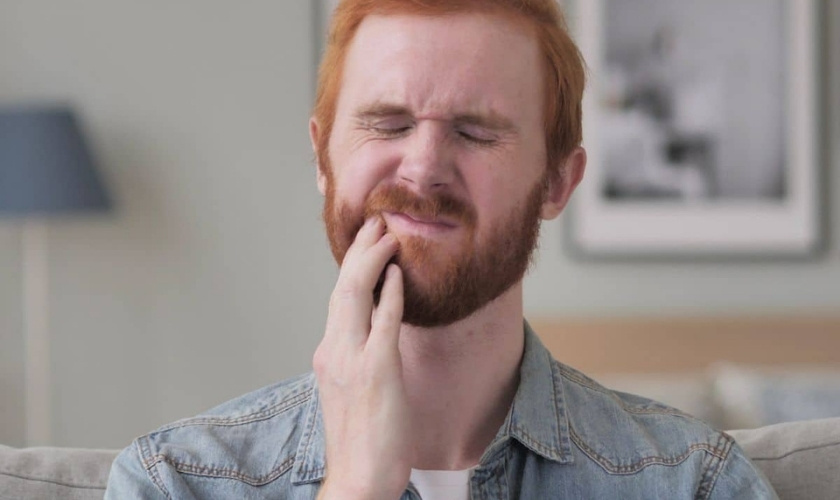
The symptoms of a fractured tooth can vary depending on the size and location of the crack. Common signs include:
- Sharp pain when biting or chewing
- Sensitivity to hot, cold, or sweet foods
- Intermittent tooth pain
- Swelling around the affected tooth
- Discomfort when releasing biting pressure
Common Causes of a Fractured Tooth
Biting Hard Foods
Chewing ice, hard candies, popcorn kernels, or other hard foods can place excessive pressure on teeth. This sudden force may cause a crack, especially if the tooth is already weakened.
Teeth Grinding and Clenching
Chronic grinding or clenching, also known as bruxism, creates repeated stress on teeth. Over time, this pressure can weaken the enamel and increase the risk of fractures.
Dental Trauma
Sports injuries, falls, car accidents, or direct blows to the mouth can result in a fractured tooth. Even minor impacts can cause cracks that become more noticeable over time.
Large Fillings
Teeth with large fillings may have less natural tooth structure remaining. As a result, they can become more susceptible to cracking under normal chewing forces.
Sudden Temperature Changes
Rapid changes between hot and cold temperatures can cause tooth expansion and contraction. While uncommon, repeated exposure may contribute to small cracks in vulnerable teeth.
Age-Related Wear
As people age, their teeth experience years of chewing and pressure. Natural wear and tear can weaken enamel and make fractures more likely.
Types of Tooth Fractures
Craze Lines
These are tiny cracks that affect only the outer enamel. They are usually harmless and often do not require treatment.
Fractured Cusp
This type of fracture occurs around a filling and typically does not affect the tooth’s pulp. Treatment often involves restoring the damaged portion with a crown.
Cracked Tooth
A cracked tooth extends from the chewing surface toward the root. Early treatment can often save the tooth.
Split Tooth
When a crack progresses and separates the tooth into distinct sections, it becomes a split tooth. Treatment depends on the extent of the damage.
Vertical Root Fracture
These fractures begin at the root and extend upward. They can be difficult to detect and may require more extensive treatment.
How Dentists Diagnose a Fractured Tooth
Diagnosing a fractured tooth can sometimes be challenging because cracks are not always visible. Portland dentists use several methods to identify the problem, including:
- Visual examination
- Dental X-rays
- Bite tests
- Specialized dental instruments
- Evaluation of symptoms and pain patterns
An accurate diagnosis is essential for determining the most appropriate treatment plan.
How to Fix a Fractured Tooth
Dental Bonding
For minor cracks, dental bonding can restore the tooth’s appearance and protect it from further damage. A tooth-colored resin is applied and shaped to blend naturally with the surrounding teeth.
Dental Crowns
Crowns are often recommended for moderate fractures. A custom-made crown covers the damaged tooth, restoring strength and function while preventing the crack from spreading.
Root Canal Therapy
If the fracture reaches the pulp, a root canal may be necessary to remove infected tissue and preserve the tooth. After treatment, a crown is usually placed for added protection.
Veneers
In cases involving front teeth with minor fractures, veneers can improve appearance and reinforce the tooth structure.
Tooth Extraction
When a fracture is too severe to repair, extraction may be the best option. Replacement solutions such as dental implants or bridges can restore your smile and oral function.
Can a Fractured Tooth Heal on Its Own?
Unlike bones, teeth cannot heal themselves. Once a crack develops, professional treatment is usually required to prevent further damage. Delaying care can allow bacteria to enter the tooth, increasing the risk of infection and more complex treatment needs.
Preventing Tooth Fractures
While not all fractures can be avoided, several preventive measures can reduce your risk:
- Avoid chewing ice and hard objects
- Wear a mouthguard during sports
- Use a nightguard if you grind your teeth
- Maintain regular dental checkups
- Address cavities and damaged restorations promptly
- Practice good oral hygiene habits
Taking these precautions can help protect your teeth and reduce the likelihood of future fractures.
Protect Your Smile with Professional Care
A fractured tooth should never be ignored, even if the symptoms seem minor. Early diagnosis and treatment can help preserve your natural tooth and prevent complications. If you notice signs of a cracked or fractured tooth, visit our dental office for a thorough evaluation. Our experienced team can identify the problem and recommend the most effective solution. To learn more about treatment options or to schedule an evaluation, book an appointment with our team today.
Frequently Asked Questions
1. What does a fractured tooth feel like?
A fractured tooth may cause sharp pain when biting, sensitivity to hot or cold foods, and occasional discomfort that comes and goes depending on the pressure applied to the tooth.
2. Can a fractured tooth get worse over time?
Yes. Small cracks can expand with daily chewing and grinding, potentially leading to infection, severe pain, or even tooth loss if left untreated.
3. Is a fractured tooth considered a dental emergency?
It can be. Severe pain, swelling, bleeding, or a large visible crack should be evaluated promptly to prevent further damage and complications.
4. Can a fractured tooth be saved?
Many fractured teeth can be restored with bonding, crowns, or root canal treatment. The success depends on the location and extent of the fracture.
5. How do dentists detect hidden tooth fractures?
Dentists use visual exams, bite tests, dental imaging, and symptom evaluation to identify cracks that may not be visible to the naked eye.
6. Will a crown fix a fractured tooth?
In many cases, a crown protects the damaged tooth, restores strength, and helps prevent the crack from worsening during normal chewing.
7. How can I reduce my risk of a fractured tooth?
Avoid chewing hard objects, wear protective mouthguards when needed, treat teeth grinding, and maintain regular dental visits to keep teeth strong.