


A sore jaw after a stressful week may not seem alarming at first. Swollen gums can also feel minor, especially when the discomfort comes and goes. But oral infections often start quietly. What begins as mild irritation can quickly become severe pain, facial swelling, or difficulty eating. Many people wait too long before seeking care. According to the National Institute of Dental and Craniofacial Research, untreated oral infections can spread and affect overall health.
National Institute of Dental and Craniofacial Research
Ignoring symptoms rarely makes them disappear. In many cases, pain signals inflammation, infection, pressure, or damage beneath the surface. Quick action protects both comfort and long-term oral health. That is why many local families seek urgent dental treatment before symptoms become more serious. At City Dental, patients receive focused care for dental emergencies that need prompt attention and professional evaluation.
Why Gum Swelling and Jaw Pain Should Never Be Ignored
Underneath mild discomfort, serious oral problems may already be developing:
Gum Infections Can Spread Quickly
Swollen gums often point to bacteria trapped beneath the gumline. Infection may begin around one tooth and move into nearby tissue. Some patients notice bleeding, tenderness, or a bad taste before swelling appears. Without treatment, the infection can spread deeper into the jaw.
Jaw Pain Often Signals Pressure or Inflammation
Jaw pain does not always come from the jaw itself. An infected tooth, grinding habits, or inflammation inside the mouth may create pressure that radiates outward. Pain near the ear or lower face deserves attention when it continues for several days.
Facial Swelling Requires Immediate Attention
Swelling around the cheek or jaw can signal a dental abscess. These infections sometimes develop rapidly. Patients may also experience fever, difficulty chewing, or trouble sleeping comfortably.
Lingering Pain Usually Means the Problem Is Progressing
Temporary sensitivity may fade. Persistent pain usually does not resolve on its own. Waiting often leads to deeper infection or more complicated treatment needs later. Cold, rainy mornings often make jaw pressure feel even worse for people already dealing with hidden tooth infections.
What Symptoms Mean You Should Call Right Away?
Some warning signs point to a situation that should not wait:
Severe Throbbing Pain
Severe pulsing pain often signals inflammation inside the tooth. Pain that worsens at night may indicate nerve involvement or infection.
Swollen or Bleeding Gums
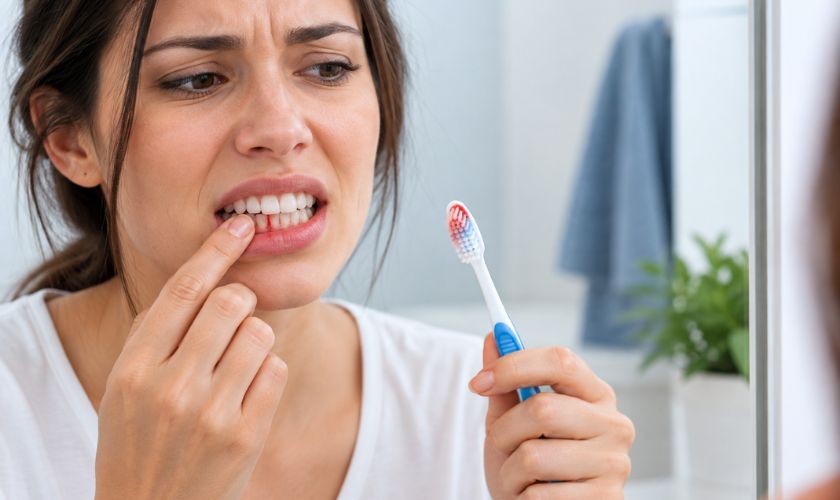
Gums should not bleed frequently during brushing or eating. Swelling combined with tenderness usually means irritation or infection is present.
Difficulty Opening the Mouth
Tightness in the jaw may indicate spreading inflammation. Patients sometimes notice pain while yawning, chewing, or speaking.
Bad Taste or Drainage
A bitter taste or fluid near your gums might be a sign of pus draining from an abscessed area. If you notice this, it’s a good idea to see a healthcare professional to get it checked out.
Facial Warmth or Fever
Experiencing heat around your jaw along with swelling could be a sign that an infection is spreading beyond the tooth. It’s important to take this seriously and consult with a healthcare professional to get the care you need.
Common Dental Emergencies That Cause These Symptoms
Different oral conditions can create similar discomfort. Professional evaluation helps identify the exact cause:
- Tooth Infections: Bacteria may enter through cracks, decay, or damaged fillings. Infection inside the tooth can create severe pressure and swelling.
- Gum Disease Flare Ups: Inflamed gums may become painful suddenly, especially when bacteria collect below the gumline.
- Cracked Teeth: Small fractures sometimes hide beneath the surface. Patients often notice sharp pain while chewing or drinking cold beverages.
- Impacted Wisdom Teeth: Partially erupted wisdom teeth can trap food and bacteria. This often leads to swelling near the back of the mouth.
- Teeth Grinding and Clenching: Chronic pressure from grinding strains the jaw muscles and surrounding joints. Morning soreness is common.
Simple Ways to Reduce Discomfort Before Your Appointment
These steps may help temporarily while waiting for professional care:
- Rinse With Warm Salt Water: Salt water helps clean irritated tissue and may reduce surface bacteria.
- Avoid Very Hot or Cold Foods: Extreme temperatures often increase sensitivity and discomfort.
- Stay Hydrated: Dry mouth allows bacteria to thrive more easily. Drinking water supports oral comfort.
- Use a Cold Compress: Cold packs placed outside the cheek may help reduce swelling temporarily.
- Avoid Pressing on the Area: Constant touching often increases irritation and discomfort.
- Keep the Area Clean: Gentle brushing helps remove trapped food and bacteria around swollen tissue.
What Happens During an Emergency Dental Visit?
Many people delay care because they feel unsure about what happens during emergency treatment:
- A Focused Oral Examination: The dental team checks the painful area carefully and reviews symptoms in detail.
- Digital Imaging if Needed: X-rays help identify hidden infection, cracks, or inflammation beneath the surface.
- Pain Relief Comes First: The main goal is to reduce discomfort and control infection quickly.
Treatment Recommendations Based on the Cause
Some patients need treatment for an infection. Others may require care for damaged teeth or inflamed gums. Patients receive instructions to protect their healing and reduce future complications. Many people searching for urgent treatment feel nervous before the appointment. Clear communication and prompt care often make the experience far less stressful than expected.
Protecting Your Smile Before Small Problems Become Serious
Oral pain rarely appears without a reason. Swollen gums, pressure near the jaw, and facial tenderness usually signal inflammation that needs professional attention. Acting early often prevents larger complications and helps patients return to normal routines faster. Ignoring symptoms may allow the infection to spread deeper into the surrounding tissue. Prompt care protects both comfort and long-term oral health.
If discomfort continues, now is the time to visit City Dental for a professional evaluation and compassionate care. Our dental practice provides prompt support for patients dealing with swelling, pain, and dental emergencies. For immediate concerns or urgent dental treatment, call the dental care office and book an appointment or use the contact no 503-227-2883 before symptoms become more severe.
Frequently Asked Questions
Can stress make jaw pain feel worse?
Yes. Stress often leads to teeth grinding or jaw clenching during sleep. This creates pressure around the jaw muscles and teeth. Many people notice soreness in the morning after stressful days or poor sleep.
Is gum swelling always related to brushing habits?
Not always. Swelling may happen because of trapped bacteria, infection, cracked teeth, or food particles below the gums. Persistent swelling deserves evaluation, especially when pain or bleeding appears alongside it.
Why does tooth pain feel stronger at night?
Pain often feels worse while lying down because blood flow increases pressure around the inflamed tissue. Quiet nighttime environments also make discomfort more noticeable. Persistent nighttime pain usually signals deeper irritation or infection.
Can jaw pain affect eating habits?
Yes. Many people begin chewing on one side or avoiding harder foods completely. Over time, uneven chewing may strain surrounding teeth and jaw muscles further, increasing discomfort during daily meals.
Should facial swelling be treated quickly?
Yes. Swelling near the cheeks, jaw, or gums can signal infection. Some infections spread rapidly into nearby tissue. Prompt evaluation helps reduce the risk of worsening pain or complications.
Why do some dental infections stop hurting suddenly?
Pain sometimes fades when nerves inside the tooth become damaged. That does not mean the infection disappeared. In many situations, bacteria continue spreading beneath the surface even after discomfort decreases.