
A gleaming white smile is a confidence booster. No wonder teeth whitening treatments are so popular! But with so many options on the market, you might be wondering: are teeth whitening strips safe? Many people turn to safe teeth whitening strips as an easy way to achieve that white, bright smile without visiting a dental clinic.
Like most things in life, there is no definitive answer. Teeth whitening strips can be a safe and effective way to brighten your smile, but there are some things to consider before sticking them on. Understanding teeth whitening strips effectiveness safety helps ensure you’re using the right product for your needs.
How Whitening Strips Work
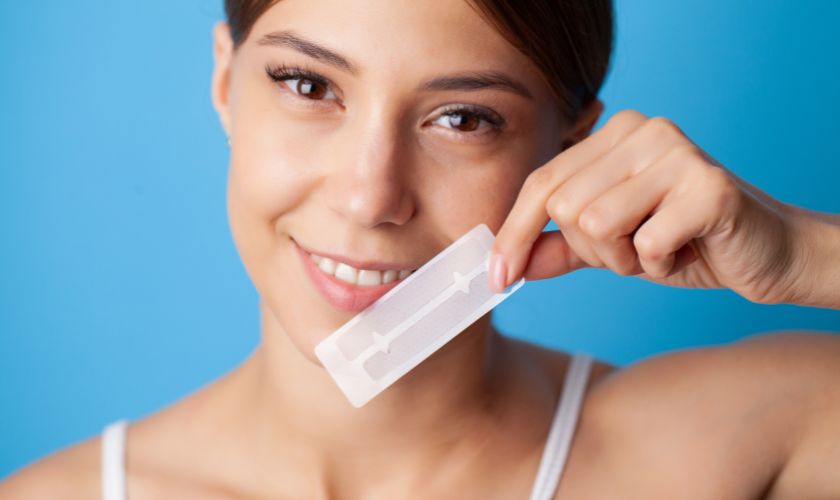
Whitening strips are thin, flexible pieces of plastic coated with a whitening agent, usually hydrogen peroxide or carbamide peroxide. These chemicals break down stain molecules on your teeth, revealing the whiter enamel underneath.
The concentration of peroxide in whitening strips is much lower than what dentists use in professional teeth whitening treatments. This makes them less effective but also generally safer for at-home use. For teens looking for a beginner-friendly solution, the best whitening strips for teens typically contain a lower peroxide level for gentler application.
Safety and Side Effects
The American Dental Association (ADA) considers teeth whitening strips safe and effective when used as directed, provided they carry the ADA Seal of Acceptance. This seal ensures the product meets safety and effectiveness standards. If you’re wondering, are Crest whitening strips safe? The ADA Seal can help guide your choice.
However, even with proper use, some people may experience side effects like:
- Increased tooth sensitivity: This is the most common side effect and is usually temporary. It can be uncomfortable, especially when consuming hot or cold beverages. While rare, this is one of the common teeth whitening strips reported by users.
- Gum irritation: The whitening agent can irritate your gums, causing redness or swelling. This should also subside after stopping use.
How to Minimize Risks
To minimize the risk of side effects, follow these tips:
- Choose ADA-approved strips: Look for the ADA Seal of Acceptance on the packaging. When in doubt, go for the best safe whitening strips that clearly outline safety testing and approval.
- Follow the instructions carefully: Don’t use the strips for longer than recommended or more frequently than directed.
- Take breaks: If you experience sensitivity, take a break for a few days before resuming use.
- Talk to your dentist: If you have any pre-existing dental conditions, consult a dental care expertbefore using whitening strips. They can advise you on the best course of action for your specific situation.
Additionally, always read product labels thoroughly. Products like Crest 3D Whitestrips are safe when used properly, but should be avoided if you already have significant enamel wear or gum sensitivity.
Who Should Avoid Whitening Strips?
While generally safe for most people, there are some situations where teeth whitening strips are not recommended:
- Pregnant or breastfeeding women: The safety of whitening products for pregnant or breastfeeding women hasn’t been fully established. It’s best to err on the side of caution and avoid them.
- Children: Whitening strips have the potential to harm children’s teeth because their enamel is still forming.
- People with sensitive teeth or gums: If you already experience tooth sensitivity or gum problems, whitening strips may worsen these issues.
- People with gum recession: Exposed tooth roots are more prone to sensitivity from whitening products.
If used incorrectly or too frequently, even safe teeth whitening strips can lead to problems. Some patients wonder if whitening strips are bad for teeth – and they can be, especially if overused or if directions are ignored.
Alternatives to Whitening Strips
If you’re concerned about the safety of whitening strips or experience side effects, there are other options:
- Whitening toothpaste: These toothpastes contain mild abrasives or low concentrations of peroxide to remove surface stains. They’re unlikely to deliver dramatic results, but can be a good option for maintaining a bright smile.
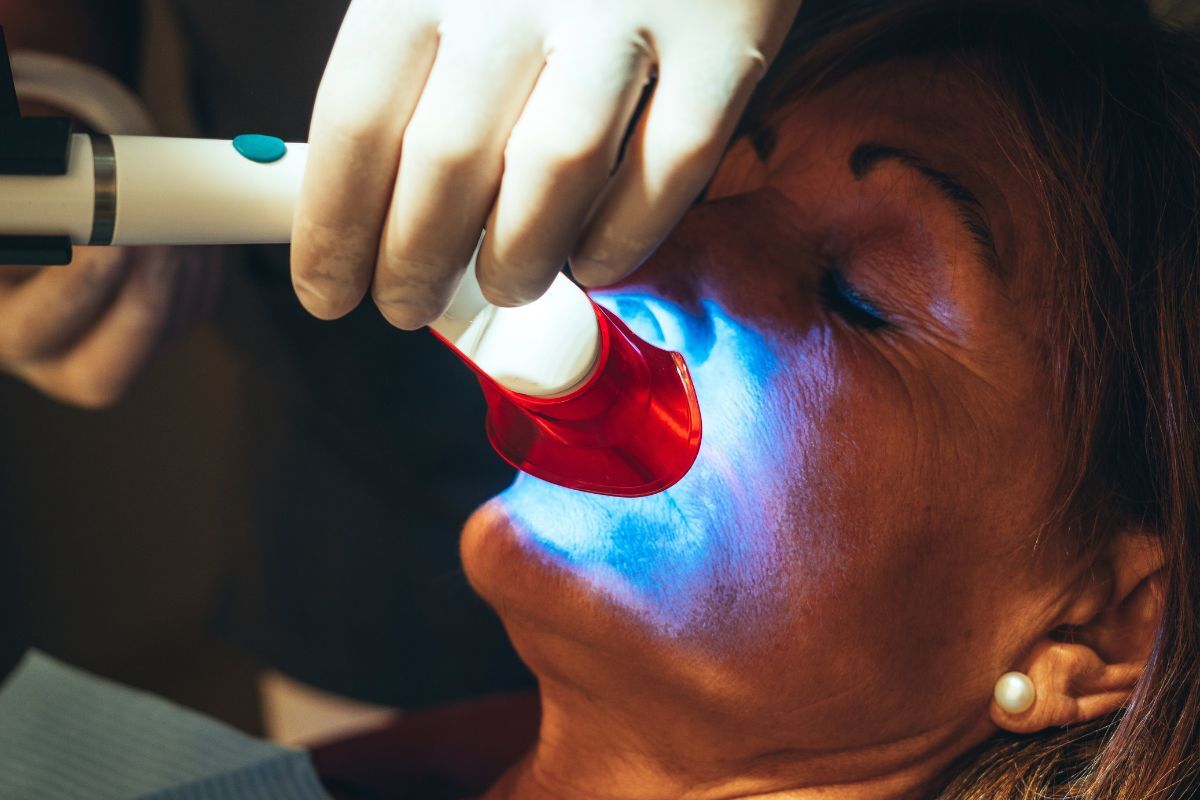
- Professional teeth whitening: This is the most effective way to whiten teeth. Dentists use stronger bleaching agents and can target specific areas of discoloration. However, professional treatments are also the most expensive option.
If you’re unsure what suits your oral health best, your dentist can help recommend the best safe whitening strips for at-home use.
The Takeaway
Teeth whitening strips can be a safe and convenient way to whiten your smile at home. However, it’s important to be aware of the potential side effects and use them properly. If you’re unsure if whitening strips are right for you, consult your cosmetic dentist. They can help you determine the best course of action for achieving a brighter, healthier smile without compromising your dental health.