

For many people, a trip to the dentist can trigger anxiety, fear, or discomfort. Whether it’s the sound of the drill, fear of pain, or a sensitive gag reflex, dental visits aren’t always easy. Fortunately, sedation dentistry offers a safe and effective solution to help patients feel more relaxed and comfortable during their dental procedures.
In this blog, we’ll explain what sedation dentistry is, the different types available, and what you can expect before, during, and after your appointment.
What Is Sedation Dentistry?
Sedation dentistry involves the use of medication to help patients relax during dental treatments. It is often used for patients with dental anxiety, low pain thresholds, difficulty sitting still for long periods, sensitive teeth, or a strong gag reflex. It’s also helpful during complex or lengthy procedures like root canals, extractions, or dental implants.
Sedation doesn’t always mean you’ll be unconscious. Many sedation methods keep you awake but deeply relaxed. The goal is to ease fear, eliminate pain, and make the experience more manageable for both the patient and the dentist.
Types of Sedation Used in Dentistry
There are several levels and types of sedation, ranging from mild to deep. Your dentist will choose the most appropriate option based on your anxiety level, health status, and the complexity of the procedure.
1. Nitrous Oxide (Laughing Gas)
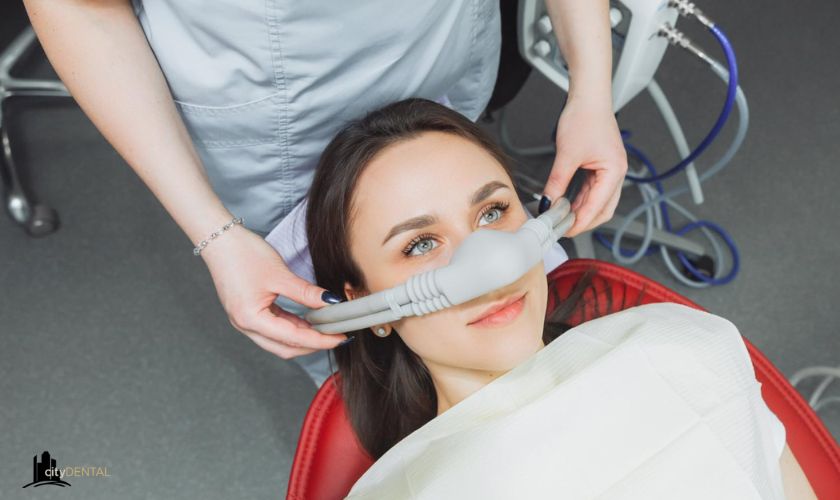
- How It Works: Nitrous oxide is inhaled through a small mask placed over your nose. It helps you feel calm and relaxed within minutes.
- Level of Sedation: Mild to moderate.
- Consciousness: You remain awake and can respond to the dentist.
- Recovery: Wears off quickly, so you can usually drive yourself home afterward.
2. Oral Sedation
- How It Works: You take a prescribed pill (such as Halcion or Valium) about an hour before the procedure. The medication relaxes you, and in some cases, makes you drowsy.
- Level of Sedation: Mild to moderate.
- Consciousness: You’re awake but may feel groggy or sleepy. Some patients doze off but can still be awakened easily.
- Recovery: You’ll need someone to drive you home.
3. IV Sedation
- How It Works: Medication is delivered directly into your bloodstream through an IV. It works quickly and allows the dentist to adjust the level of sedation during the procedure.
- Level of Sedation: Moderate to deep.
- Consciousness: You may be semi-conscious or asleep, but can still respond to verbal cues.
- Recovery: Grogginess may last for several hours. A ride home is required.
4. General Anesthesia
- How It Works: Used rarely in dental offices, general anesthesia renders you completely unconscious and is typically reserved for oral surgeries or patients with severe anxiety.
- Level of Sedation: Deep.
- Consciousness: You are fully asleep and unaware of the procedure.
- Recovery: Requires monitoring in a recovery area and someone to drive you home.
Who Can Benefit from Sedation Dentistry?
Sedation dentistry is ideal for:
- People with dental anxiety or phobia
- Patients undergoing lengthy or multiple procedures
- Individuals with a low pain threshold
- People who have sensitive teeth or strong gag reflexes
- Children or patients with special needs
Your dentist will evaluate your medical history and dental needs to determine if sedation is right for you.
What to Expect Before, During, and After
Before the Procedure
- Consultation: Your dentist will review your medical history and discuss the type of sedation that’s best for you.
- Instructions: Depending on the sedation type, you may be asked to avoid eating or drinking for several hours before the procedure.
- Arrangements: For oral, IV, or general sedation, you’ll need someone to accompany you and drive you home afterward.
During the Procedure
- You’ll be monitored throughout the procedure for vital signs like heart rate, oxygen levels, and blood pressure.
- Most patients feel deeply relaxed and either have limited awareness or no memory of the procedure.
- Your dentist can complete the work more efficiently, especially if you’re comfortable and still.
After the Procedure
- Recovery Time: Nitrous oxide wears off quickly, but other sedation types may leave you feeling drowsy for several hours.
- Aftercare: Follow your dentist’s instructions for eating, drinking, and medications. Avoid driving or operating heavy machinery until you are fully alert.
- Side Effects: Mild side effects like grogginess, dry mouth, or nausea are common but typically short-lived.
Is Sedation Dentistry Safe?
Yes, when administered by trained professionals, sedation dentistry is considered very safe. Dentists and oral surgeons are trained in sedation protocols, and your vital signs are monitored at all times. Still, it’s essential to disclose any health conditions, medications, or allergies to ensure your safety.
Final Thoughts
Sedation dentistry can transform your dental experience from stressful to serene. Whether you have mild anxiety or severe dental phobia, there’s likely a sedation option that fits your needs. Don’t let fear keep you from getting the care you deserve – talk to your dentist about how sedation dentistry can help make your next visit more comfortable and anxiety-free.d stress-free environment.