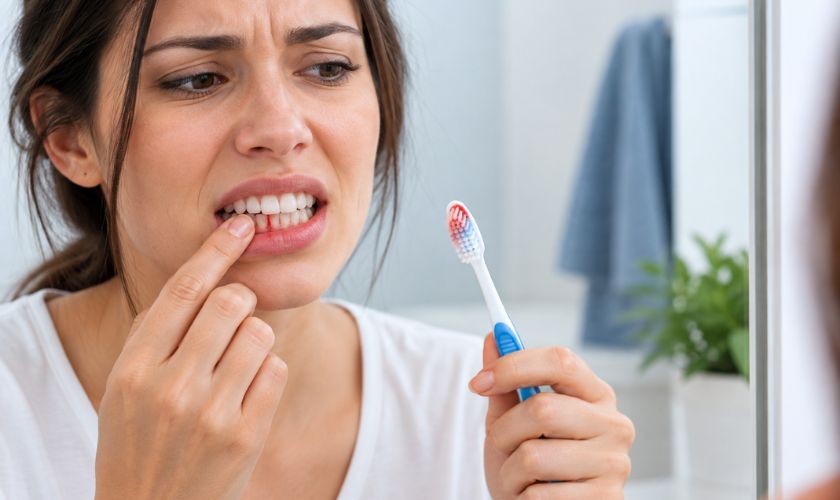



Waking up with jaw pain, headaches, or sore teeth could be a sign that you’re grinding your teeth during sleep. Known as sleep bruxism, this common condition can wear down tooth enamel, damage dental restorations, and even lead to cracked teeth if left untreated. Understanding the causes and learning how to stop grinding teeth at night can protect your smile and improve your quality of sleep.
Why Do People Grind Their Teeth at Night?
Nighttime teeth grinding often happens unconsciously during sleep. While the exact cause varies from person to person, common factors include:
- Stress and anxiety
- Poor sleep quality or sleep disorders
- Misaligned teeth or bite issues
- Certain medications
- Excessive caffeine or alcohol consumption
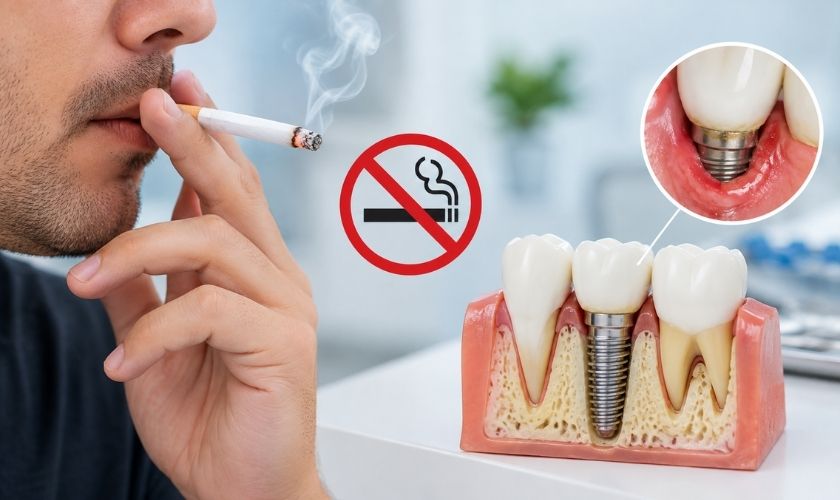
- Smoking or tobacco use
Many people don’t realize they grind their teeth until a dentist notices signs of wear during a routine dental exam.
Signs You May Be Grinding Your Teeth
Since sleep bruxism occurs while you’re asleep, it’s important to recognize the warning signs:
- Morning headaches
- Jaw pain or stiffness
- Tooth sensitivity
- Flattened or chipped teeth
- Earaches without an ear infection
- Clicking or popping in the jaw
- Disturbed sleep for you or your partner
If these symptoms persist, seeking professional dental advice is recommended.
How to Stop Grinding Teeth at Night
Wear a Custom Night Guard
One of the most effective treatments is a custom-made night guard. Unlike over-the-counter options, a professionally fitted guard provides better comfort and protection while preventing teeth from grinding against each other.
Reduce Stress Before Bed
Stress is one of the leading contributors to nighttime teeth grinding. Relaxation techniques can help calm your mind before sleeping, including:
- Deep breathing exercises
- Meditation
- Reading a book
- Gentle stretching
- Warm baths
Creating a calming bedtime routine may reduce grinding episodes.
Avoid Stimulants in the Evening
Limit caffeine, energy drinks, alcohol, and nicotine several hours before bedtime. These substances can interfere with sleep quality and may increase nighttime grinding.
Improve Your Sleep Habits
Healthy sleep routines can make a difference. Try to:
- Go to bed at the same time every night.
- Keep your bedroom cool and quiet.
- Avoid screens before bedtime.
- Aim for seven to nine hours of quality sleep.
Better sleep often helps reduce muscle tension during the night.
Correct Bite Problems
If an uneven bite contributes to grinding, your dentist may recommend orthodontic treatment or restorative procedures to improve how your teeth fit together.
Practice Jaw Relaxation
Before going to bed, gently massage your jaw muscles or place a warm compress over the jaw for several minutes. This can reduce muscle tightness and help your jaw relax before sleep.
What Happens If Teeth Grinding Is Ignored?
Untreated bruxism can lead to serious dental problems, including:
- Worn enamel
- Cracked or fractured teeth
- Loose teeth
- Gum recession
- TMJ (temporomandibular joint) disorders
- Chronic facial pain
Early treatment helps prevent costly dental repairs and preserves your natural teeth.
When Should You Visit a Dentist?
If you regularly wake up with jaw discomfort, damaged teeth, or persistent headaches, it’s time for a professional evaluation. A dentist can identify the underlying cause of your teeth grinding and recommend the most appropriate treatment.
At City Dental, patients receive comprehensive evaluations to diagnose sleep bruxism and protect their long-term oral health. Whether your grinding is caused by stress, bite problems, or another factor, personalized treatment can help reduce damage and improve comfort.
For appointments or questions, call 503-227-2883.
Final Thoughts
Getting to know how to stop grinding teeth at night starts with identifying the cause and taking preventive steps. Stress management, improved sleep habits, avoiding stimulants, and wearing a professionally fitted night guard are among the most effective ways to protect your teeth. Regular dental checkups also play an essential role in detecting early signs of bruxism before permanent damage occurs. Taking action now can help preserve your smile, reduce discomfort, and support healthier sleep.
Frequently Asked Questions
1. What causes teeth grinding during sleep?
Nighttime teeth grinding is commonly linked to stress, anxiety, sleep disorders, bite problems, certain medications, caffeine intake, and lifestyle habits. Multiple factors may contribute simultaneously.
2. Can teeth grinding damage my teeth?
Yes. Continuous grinding can wear away enamel, crack teeth, increase sensitivity, damage fillings or crowns, and place excessive pressure on the jaw joints over time.
3. Are over-the-counter night guards effective?
Store-bought guards may provide temporary protection, but they often lack the precise fit and comfort of custom-made appliances designed specifically for your bite.
4. Can stress really make teeth grinding worse?
Yes. Emotional stress and anxiety frequently increase muscle tension during sleep, making nighttime grinding episodes more frequent or more severe in many individuals.
5. How can I tell if I grind my teeth at night?
Common signs include morning headaches, sore jaw muscles, tooth sensitivity, flattened teeth, disturbed sleep, or comments from a sleeping partner about grinding sounds.
6. Can children grind their teeth while sleeping?
Yes. Many children grind their teeth during certain stages of development. In many cases, it improves naturally, though persistent symptoms should be professionally evaluated.
7. Is nighttime teeth grinding treatable?
Yes. Treatment depends on the cause and may include custom night guards, stress management, improved sleep habits, bite correction, or addressing underlying sleep-related conditions.