


Dental implants are designed to feel secure, stable, and function much like natural teeth. That is why it can be concerning when an implant suddenly feels different, moves slightly, or seems unstable while eating or speaking. If your implanted tooth feels loose, you may immediately wonder whether the implant has failed or needs to be replaced.
The good news is that a loose feeling does not always mean the implant itself is failing. In many cases, the issue involves another component of the restoration and can be addressed before it develops into a more significant problem. Understanding the possible causes can help you know when to seek care and what to expect during treatment.
At City Dental, Dr. Rusty Crofts and Dr. Yu Han help patients restore missing teeth with advanced implant dentistry and routinely evaluate concerns such as loose crowns, implant discomfort, and peri-implant disease. Their clinical experience allows them to identify the source of implant instability and recommend the most appropriate treatment for long-term success. If something about your implant does not feel right, visit our dental office for a professional evaluation before the issue progresses.
Why Does a Dental Implant Feel Loose?
An implant should never feel loose once it has successfully integrated with the jawbone. In many cases, the implant remains secure while the crown or connecting component has loosened.
Bone loss, infection, teeth grinding, trauma, and bite changes can also contribute to instability. Early diagnosis often allows simpler and more predictable treatment. A professional examination is the only way to determine the exact cause.
Is It Normal for an Implant to Feel Loose?
No. A dental implant should not move once it has fully fused with the jawbone. Any sensation of movement, shifting, clicking, or instability should be evaluated by a dental professional.
After placement, the implant undergoes a process called osseointegration, where the surrounding bone grows around the titanium post and creates a stable foundation. Once this process is complete, the implant should feel secure during normal daily activities.
Many patients assume a loose feeling automatically means implant failure. However, what feels like a loose implant is often a loose crown or connector rather than a problem with the implant itself.
What Part of the Implant Is Actually Loose?
The implant treatment consists of several parts. Movement can occur in one component while the implant itself remains firmly attached to the jawbone.
Many patients are surprised to learn that the implant post is not always the source of the problem. Understanding the structure of an implant helps explain why different issues can create similar symptoms.
| Component | Purpose | Can Become Loose? |
| Implant Post | Artificial root placed in bone | Rarely |
| Abutment | Connects the implant to the crown | Yes |
| Crown | Visible replacement tooth | Yes |
| Retaining Screw | Holds components together | Yes |
A comprehensive evaluation can determine exactly which component is responsible for the movement you feel.
What Causes an Implant to Feel Loose?
Several different issues can create the sensation of a loose implant. Some are relatively minor, while others require more extensive treatment.
A Loose Implant Crown
The crown is the visible tooth attached to the implant.
Over time, normal chewing forces can occasionally affect the connection between the crown and the implant components. When this happens, the crown may move slightly even though the implant remains secure within the bone.
Common signs include:
- A clicking sensation while chewing
- Movement when touching the tooth
- Food becomes trapped around the restoration
- Changes in the way your bite feels
A Loose Abutment or Screw
The abutment serves as the connector between the implant and the crown.
Daily chewing forces, accidental trauma, or long-term wear can sometimes loosen the screw that secures these components together. This often creates a noticeable sensation of movement without affecting the implant itself.
Bone Loss Around the Implant
Healthy bone provides the support that keeps an implant stable.
If bone loss develops around an implant, stability can gradually decrease. Several factors may contribute to this process, including:
- Peri-implant disease
- Poor oral hygiene
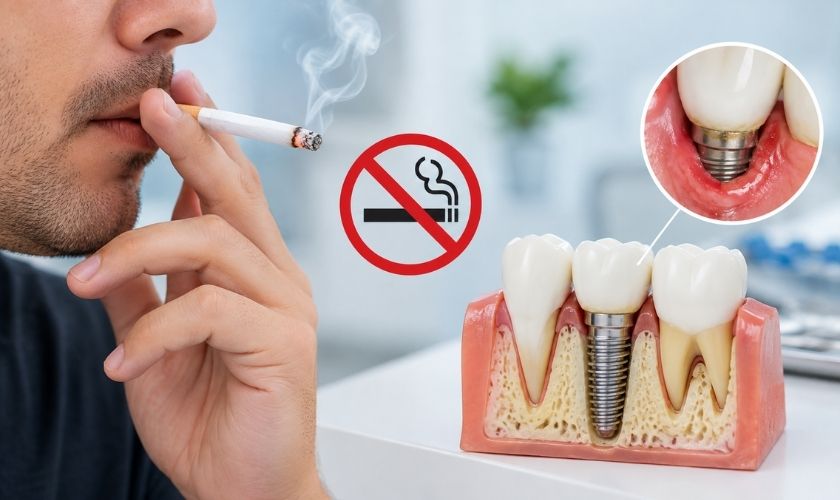
- Smoking
- Uncontrolled health conditions
- Long-term inflammation
Patients who have received dental implants in Portland should continue routine maintenance visits so bone levels can be monitored and potential problems identified early.
Changes in Your Bite
Even subtle changes in your bite can create unusual pressure around an implant.
Natural teeth can shift over time, restorations can wear down, and new dental treatment may alter the way your teeth come together. In some cases, patients interpret these changes as a loose implant when the implant itself remains completely stable.
Teeth Grinding and Clenching
Grinding places significant force on implant restorations.
Unlike natural teeth, implants do not have periodontal ligaments that help absorb pressure. Excessive clenching can loosen implant components, damage restorations, and increase stress on surrounding structures.
Trauma or Injury
A sudden impact can affect the stability of implant components.
Whether it happens during recreational activities, sports, or an unexpected fall, trauma may loosen a crown or abutment even when the implant remains integrated within the jawbone.
Can an Implanted Tooth Feel Loose During Healing?
A newly placed implant may feel different during healing, but it should not move.
Some patients notice mild tenderness, pressure, or sensitivity as the tissues recover after surgery. These sensations are generally normal and part of the healing process.
Actual movement, however, is not considered normal. If a recently placed implant feels unstable, it should be evaluated promptly to ensure proper integration with the surrounding bone.
Understanding Peri-Implant Disease
Peri-implant disease is an inflammatory condition that affects the tissues surrounding a dental implant. If left untreated, it can lead to bone loss and implant instability.
This condition is similar to gum disease around natural teeth. It begins when bacteria accumulate around the implant and trigger inflammation in the surrounding tissues.
Common symptoms include:
- Bleeding gums
- Swelling
- Redness
- Persistent bad breath
- Tenderness around the implant
Unlike cavities, peri-implant disease often develops silently. Many patients notice few symptoms until bone loss has already begun. This is one reason routine implant evaluations remain important even when everything appears normal.
According to the National Institute of Dental and Craniofacial Research, implants are considered a predictable and effective solution for replacing missing teeth when supported by healthy gums and bone and maintained with proper oral care.
Whether you are enjoying fresh seafood near the waterfront, exploring the Pearl District, or visiting one of the city’s popular food-cart destinations, stable teeth and implants help make eating comfortable and enjoyable. Maintaining healthy gums is one of the most important factors in protecting that stability.
How to Determine if the Implant Is Failing?
Implant failure is less common than many patients assume, but certain warning signs should never be ignored.
A professional examination is necessary to determine whether the implant itself has been affected.
Warning Signs That Require Attention
- Visible movement of the implant
- Persistent discomfort
- Gum recession around the implant
- Swelling that does not improve
- Changes in your bite
- Difficulty chewing
- An unpleasant taste near the implant
- Drainage or signs of infection
These symptoms do not always indicate implant failure, but they should be evaluated promptly.
When Is a Loose Implant an Emergency?
A loose implant is not always an emergency, but some symptoms require immediate attention.
Contact a dental professional as soon as possible if you experience:
- Severe pain
- Sudden swelling
- Bleeding around the implant
- Pus or drainage
- Difficulty biting down
- A crown that has completely detached
Quick intervention can help prevent complications and preserve surrounding tissues.
What Should You Do If Your Implant Feels Loose?
The most important step is to schedule an evaluation as soon as possible. Delaying care can allow the issue to worsen.
Until your appointment:
- Avoid chewing on the affected side
- Maintain excellent oral hygiene
- Avoid sticky or hard foods
- Save any crown or component that has detached
- Do not attempt to tighten anything yourself
Even if the movement seems minor, continuing to place pressure on the implant may increase wear on the surrounding structures.
How Do Dentists Fix a Loose Dental Implant?
Treatment depends entirely on the cause of the problem. A thorough diagnosis allows your dentist to recommend the most appropriate solution.
Possible treatments may include:
Tightening or Replacing a Loose Screw
A loose screw can often be tightened or replaced before additional damage occurs.
Reattaching or Replacing the Crown
If the crown is responsible for the movement, it may be repaired, resecured, or replaced.
Treating Peri-Implant Disease
Managing inflammation and bacterial buildup can help protect the supporting tissues around the implant.
Restoring Bone Support
When bone loss has occurred, additional procedures may be recommended to improve long-term stability.
Implant Replacement
In rare situations where the implant itself has failed, replacement may be necessary.
Protect Your Implant Before a Small Problem Becomes a Bigger One
Most loose implant concerns can be addressed more predictably when identified early. Waiting too long may allow additional wear, bone loss, or damage to develop, making treatment more complicated than necessary.
At City Dental, our team uses advanced diagnostics to determine why an implant feels loose and develop a personalized treatment plan based on your specific needs. If something about your implant does not feel right, do not ignore the warning signs. Visit our dental office today to receive a thorough evaluation and book an appointment with our team to better understand your specific oral health needs.
Frequently Asked Questions
Can a dental implant feel loose during healing?
Mild soreness and pressure are common during healing. Actual movement is not normal and should be evaluated to ensure the implant is integrating properly with the jawbone.
Does a loose implant always mean implant failure?
No. Many cases involve a loose crown, screw, or abutment. A professional examination can determine whether the implant itself remains stable.
How do dentists know whether the implant or crown is loose?
Your dentist performs a clinical examination and may take diagnostic images. These steps help identify which component is causing the movement.
Can gum disease affect dental implants?
Yes. Peri-implant disease can damage the tissues and bone supporting an implant. Early treatment helps protect long-term implant stability.
Should I stop eating if my implant feels loose?
Avoid chewing on the affected side until you receive professional care. Continued pressure may worsen the problem and increase the risk of complications.
Can teeth grinding loosen an implant?
Yes. Grinding and clenching create significant pressure on implant restorations and supporting components. A custom nightguard may help protect your investment.
How often should dental implants be checked?
Most patients benefit from regular dental examinations and professional cleanings. These visits allow your dentist to monitor implant health and identify concerns early.