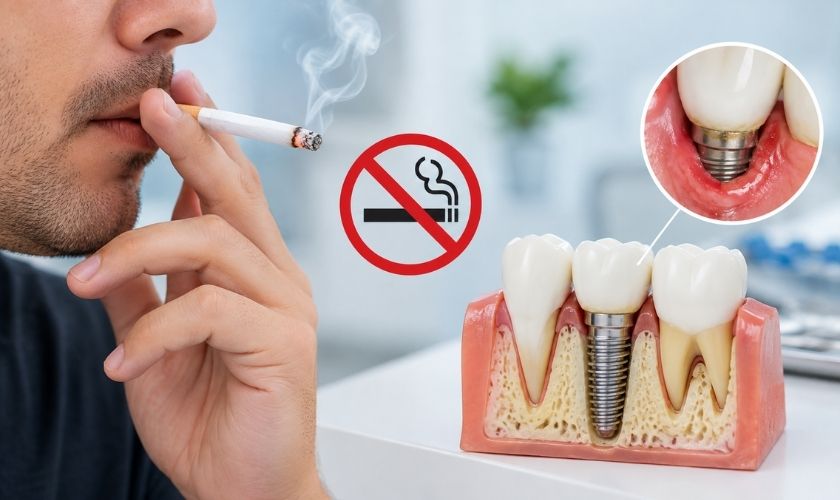



Dental implants are one of the most reliable and natural-looking solutions for replacing missing teeth. While implants are designed to be durable and long-lasting, maintaining excellent oral hygiene is essential for protecting the surrounding gums and supporting bone. Proper brushing and flossing techniques can help prevent complications such as plaque buildup, gum inflammation, and peri-implant disease.
If you have received dental implant treatment Portland residents trust, understanding how to care for your implants is an important part of preserving your smile for years to come.
Why Cleaning Dental Implants Matters
Although dental implants cannot develop cavities like natural teeth, the gums and tissues around them are still vulnerable to infection. Plaque and bacteria can accumulate around the implant and irritate the surrounding gum tissue. If left untreated, this can lead to inflammation, bone loss, and even implant failure.
Daily brushing and flossing help remove harmful bacteria, maintain healthy gums, and protect your investment in your oral health.
Choosing the Right Toothbrush
Selecting the proper toothbrush is the first step in effective implant care. A soft-bristled toothbrush is generally recommended because it cleans efficiently without damaging the gum tissue around the implant.
Many patients also find electric toothbrushes beneficial because they provide a consistent cleaning action and can help remove plaque more effectively. Whether you choose a manual or electric toothbrush, ensure the brush head can comfortably reach all areas around your implant.
How to Brush Around Dental Implants
Brushing around dental implants requires gentle but thorough cleaning. Follow these steps:
1. Brush at Least Twice Daily
Brush your teeth every morning and before bedtime. Consistent brushing helps minimize plaque buildup throughout the day.
2. Use Gentle Circular Motions
Instead of aggressive scrubbing, use small circular motions around the implant crown and gumline. This technique effectively removes plaque while protecting the surrounding tissue.
3. Focus on the Gumline
Bacteria often collect where the implant restoration meets the gum tissue. Pay special attention to this area to keep it clean and healthy.
4. Brush All Surfaces
Clean the front, back, and chewing surfaces of the implant restoration, just as you would with a natural tooth.
5. Replace Your Toothbrush Regularly
Worn bristles become less effective at cleaning. Replace your toothbrush or electric toothbrush head every three to four months.
How to Floss Around Dental Implants
Flossing is just as important as brushing because it removes plaque and food particles from areas your toothbrush cannot reach.
Use Implant-Friendly Floss
Special implant floss, unwaxed floss, or floss designed for bridges and implants can help clean around the implant without causing damage.
Gently Guide the Floss
Carefully slide the floss between the implant and neighboring teeth. Avoid snapping the floss into the gums, as this can cause irritation.
Clean Beneath the Gumline
Curve the floss around the implant and move it gently beneath the gumline to remove hidden plaque.
Move Up and Down
Use gentle vertical motions against the implant surface and adjacent teeth. This helps remove debris while protecting the gum tissue.
Repeat Daily
Daily flossing is crucial for preventing inflammation and maintaining healthy tissues around your implant.
Additional Tools for Implant Care
Some patients benefit from additional cleaning aids that help improve oral hygiene around implants.
Interdental Brushes
These small brushes are designed to clean between teeth and around implants. They can reach areas traditional toothbrushes may miss.
Water Flossers
Water flossers use a stream of water to remove food particles and bacteria from around implants and beneath the gumline. They can be especially helpful for patients with multiple implants.
Antimicrobial Mouthwash
Your dentist may recommend an antimicrobial rinse to reduce bacteria and support gum health.
Common Mistakes to Avoid
Even with good intentions, some habits can negatively impact implant health.
- Using hard-bristle toothbrushes
- Brushing too aggressively
- Skipping daily flossing
- Ignoring bleeding or swollen gums
- Missing routine dental checkups
- Using metal tools not intended for implant care
Avoiding these mistakes can help maintain healthy tissues around your implants and reduce the risk of complications.
The Importance of Professional Maintenance
Regular dental visits are essential for monitoring the health of your implant and surrounding tissues. Professional cleanings remove hardened plaque deposits that cannot be eliminated through brushing and flossing alone.
At City Dental, patients receive personalized guidance on maintaining their dental implants and protecting their oral health. Routine examinations allow dental professionals to identify potential issues early and recommend appropriate treatment when needed.
Long-Term Care for a Healthy Smile
Dental implants can provide decades of function and confidence when properly maintained. Daily brushing, careful flossing, and regular professional care are key to keeping implants clean and healthy. Developing a consistent oral hygiene routine can help prevent gum disease and support the long-term success of your implant restoration.
If you have questions about implant maintenance or need care from a trusted dental office, professional guidance can help you keep your smile healthy. To learn more about your options, book an appointment with a qualified dental professional for personalized recommendations.
Frequently Asked Questions
1. How often should I brush my dental implants?
Brush your dental implants at least twice daily using a soft-bristled toothbrush. Consistent brushing helps remove plaque and keeps the surrounding gum tissue healthy.
2. Can I use an electric toothbrush on dental implants?
Yes. Electric toothbrushes are generally safe for dental implants and can effectively remove plaque while being gentle on surrounding gums when used properly.
3. What type of floss is best for dental implants?
Implant-specific floss, unwaxed floss, or floss threaders are often recommended because they help clean around implants without damaging the gum tissue.
4. Do dental implants require special cleaning products?
Most patients can use standard oral hygiene products, but soft-bristled brushes, interdental cleaners, and water flossers may improve implant care.
5. Why do my gums bleed when flossing around an implant?
Bleeding may indicate gum irritation or plaque buildup around the implant. Consistent cleaning and professional evaluation can help identify the cause.
6. Is a water flosser good for dental implants?
Yes. Water flossers can help remove food particles and bacteria from hard-to-reach areas around implants and beneath the gumline.
7. What happens if I do not clean around my dental implant?
Poor implant hygiene can lead to plaque accumulation, gum inflammation, bone loss, and potential implant complications over time.