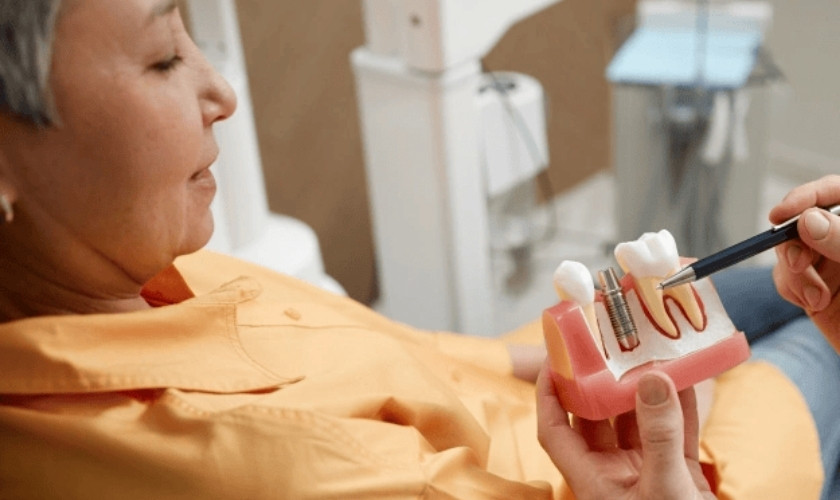


Dental implants are one of the most reliable ways to replace missing teeth, restore confidence, and improve oral function. However, like natural teeth, implants can develop complications if bacteria build up around the gums and supporting bone. One of the most common concerns is a dental implant infection, also known as peri-implantitis. Recognizing the warning signs early can help prevent more serious problems and protect your oral health.
At City Dental, many Portland patients ask how to tell the difference between normal healing and a potential implant infection. Understanding the symptoms and knowing when to seek professional care can make a significant difference in long-term implant success.
What Causes a Dental Implant Infection?
A dental implant infection usually develops when harmful bacteria collect around the implant site. Poor oral hygiene, smoking, untreated gum disease, or improper healing after surgery can increase the risk. In some cases, excessive pressure on the implant or certain medical conditions may also contribute to infection.
After implant placement, mild discomfort and swelling are expected during the healing process. However, symptoms that worsen instead of improve may indicate a deeper issue that requires prompt treatment.
Common Symptoms of an Infected Dental Implant
Persistent Redness and Swelling
Some swelling is normal immediately after implant surgery, but ongoing inflammation around the implant can be a warning sign. If the gum tissue remains red, swollen, or tender for an extended period, an infection may be developing beneath the surface.
Patients in Portland should monitor any changes in gum appearance carefully, especially if swelling increases several weeks after treatment.
Pain That Does Not Improve
Mild soreness after implant placement is common, but severe or lingering pain is not. Persistent discomfort when chewing, biting, or touching the area may suggest an infection affecting the surrounding tissue or bone.
Pain that suddenly appears months or years after implant placement should also be evaluated by a dental professional.
Bleeding Around the Implant
Healthy gums should not bleed regularly around a dental implant. If brushing or flossing causes bleeding near the implant site, it could be an early sign of gum inflammation or infection.
Ignoring this symptom may allow bacteria to spread deeper into the supporting structures of the implant.
Bad Breath or Unpleasant Taste
A constant bad taste in the mouth or chronic bad breath can sometimes indicate bacterial buildup around the implant. Infection can create pockets where bacteria thrive, leading to odor and unpleasant drainage.
If regular brushing and mouthwash do not resolve the issue, it is important to schedule an examination.
Pus or Discharge
One of the clearest signs of infection is visible pus near the implant area. Any discharge from the gums should be treated seriously because it often indicates active bacterial infection.
Prompt Dental Implant treatment can help stop the infection before it damages the surrounding bone.
Loose Dental Implant
A properly healed implant should feel stable and secure. If an implant begins to shift, wiggle, or feel unstable, the supporting bone may be weakening due to infection.
A loose implant should never be ignored because advanced bone loss can eventually lead to implant failure.
What Portland Patients Should Do If They Notice Symptoms
Contact a Dental Professional Quickly
The earlier an implant infection is diagnosed, the easier it is to treat. Delaying care may allow the infection to spread and damage the surrounding bone and gum tissue.
Patients experiencing persistent swelling, pain, or bleeding should contact a trusted Dental Practice In Portland for a full evaluation.
Avoid Smoking and Alcohol
Smoking can slow healing and make implant infections worse. Alcohol may also irritate the tissues during recovery. Avoiding these habits can support the healing process while treatment is underway.
Maintain Excellent Oral Hygiene
Keeping the implant area clean is essential. Patients should continue brushing gently with a soft-bristled toothbrush and use floss or interdental cleaners recommended by their dentist.
Proper oral hygiene helps reduce bacterial buildup and supports long-term implant health.
Follow Professional Treatment Recommendations
Treatment for implant infections depends on the severity of the condition. Mild infections may respond to deep cleaning and antibacterial therapy, while advanced cases may require surgical treatment or bone grafting.
At City Dental, implant evaluations focus on identifying the cause of infection and creating a treatment plan tailored to each patient’s needs.
How Dentists Treat Infected Dental Implants
Deep Cleaning Around the Implant
Professional cleaning removes plaque and bacteria from around the implant surface. Specialized tools help clean areas that regular brushing cannot reach.
Antibiotic Therapy
Dentists may prescribe antibiotics or antimicrobial rinses to reduce bacterial infection and control inflammation.
Laser or Surgical Treatment
In severe cases, surgical procedures may be needed to clean infected tissue and restore healthy bone support around the implant.
Bone Regeneration Procedures
If infection causes bone loss, regenerative treatments may help rebuild the supporting structures and improve implant stability.
Preventing Dental Implant Infections
Prevention plays a major role in protecting dental implants for years to come. Portland patients can reduce their risk by:
- Brushing and flossing daily
- Attending regular dental checkups
- Avoiding tobacco products
- Managing gum disease early
- Following post-treatment instructions carefully
Routine exams allow dentists to identify early warning signs before complications become serious. Patients who check our patient reviews often notice how preventive care and early treatment contribute to successful long-term implant results.
When to Seek Emergency Care
Some implant infections require urgent attention. Patients should seek immediate dental care if they experience:
- Severe swelling in the face or gums
- Fever or signs of spreading infection
- Significant pain that worsens rapidly
- Difficulty chewing or opening the mouth
- Sudden implant movement
Prompt treatment can help preserve the implant and protect overall oral health.
Conclusion
Dental implants are designed to provide long-lasting tooth replacement, but infections can threaten their success if symptoms are ignored. Redness, swelling, bleeding, pain, pus, and implant looseness are all important warning signs that should not be overlooked.
For Portland patients, early diagnosis and professional care are the best ways to protect both oral health and implant stability. If you notice signs of an infected implant, book an appointment with an experienced dental team to receive prompt evaluation and personalized treatment.
Frequently Asked Questions
1. How do I know if my dental implant is infected?
Redness, swelling, pain, bleeding, pus, and bad breath around the implant may indicate infection. Symptoms that continue or worsen should be evaluated by a dentist.
2. Can a dental implant infection go away on its own?
Most implant infections require professional treatment. Without care, the infection can spread and damage the bone supporting the implant.
3. Is pain normal after dental implant surgery?
Mild discomfort is common for a few days after surgery. Severe or long-lasting pain may signal an infection or healing complication.
4. What causes peri-implantitis?
Peri-implantitis is commonly caused by bacterial buildup around the implant. Poor oral hygiene, smoking, and gum disease increase the risk.
5. Can an infected dental implant be saved?
Many infected implants can be treated successfully if caught early. Deep cleaning, antibiotics, or surgery may help restore implant health.
6. How can I prevent implant infections?
Daily brushing, flossing, routine dental visits, and avoiding tobacco products can help lower the risk of implant infection.
7. Should a loose dental implant be considered an emergency?
A loose implant may indicate bone loss or advanced infection. Prompt dental evaluation is important to prevent further complications.