

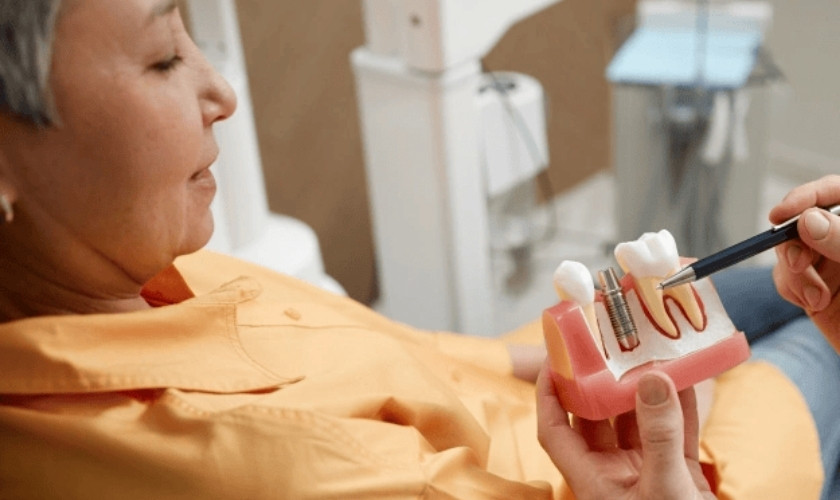
Losing a tooth can be a distressing experience, both physically and emotionally. Whether caused by decay, injury, or disease, missing teeth can disrupt your ability to speak, eat, and smile with confidence. While there are several options for restoring lost teeth, these are often considered the best solution because of their durability and natural appearance. However, when exactly is the right time to consider getting a dental implant after tooth loss?
For many people, the timing for dental restorations depends on various factors. Let’s break down the ideal moments for getting them and why this decision can significantly improve your quality of life.
Why Dental Implants Are the Best Solution?
Dental restorations permanently insert a titanium post into your jawbone as a replacement for the root of the tooth. A crown is placed on top, mimicking the look and feel of a natural tooth. Unlike other restorations, such as dentures or bridges, prosthetic teeth don’t rely on adjacent teeth for support, making them a long-lasting and effective choice.
Dental care has come a long way, with many patients choosing restorations as an effective option to restore their smile. Portland’s cooler weather can sometimes cause sensitivity in the mouth. This makes the comfort of dental restorations an attractive feature for residents who want to avoid removable solutions.
When Should You Consider Dental Implants?
It’s a good idea to consider this if you’re experiencing certain dental issues or looking for a long-lasting solution to improve your smile.
1. Immediately After Tooth Extraction
If your tooth is extracted due to decay or damage, you might be wondering when to get a restoration. Ideally, you should aim to have the fixture placed within a few months after tooth loss. The sooner you receive the prosthetic teeth, the better the chance they will integrate with your jawbone, a process called osseointegration.
In Portland, the combination of outdoor activities and diverse food options can affect oral health. Getting a dental restoration promptly can ensure you regain full function. Whether you’re drinking craft beer at brewpubs or eating at a food cart near Pioneer Courthouse Square, a dental implant lets you eat and smile comfortably again.
2. After Bone Healing
If you’ve lost a tooth for an extended period, the bone surrounding the missing tooth may begin to deteriorate. In such cases, it’s essential to wait until the bone has healed and stabilized before placing the restoration. Bone grafting might also be needed in some cases. The changing seasons, from rainy days to sunny summers. It can affect the healing process, so make sure to follow your dentist’s instructions carefully for optimal healing.
Factors to Consider for Dental Implants
Here are the factors you need to keep in mind:
Your Overall Oral Health
Before getting a dental restoration, your dentist will assess your overall oral health. Gum disease or any existing oral health issues can affect the success of the fixture. A thorough dental exam will help determine whether you need any treatments before proceeding with prosthetic teeth.
The Health of Your Jawbone
The health and density of your jawbone play a significant role in whether you’re a good candidate for dental restoration. If the jawbone has atrophied over time due to missing teeth, your dentist may suggest bone grafting to restore the bone before proceeding with the treatment.
Your Lifestyle and Habits
Lifestyle choices, such as smoking or excessive alcohol consumption, can affect the healing process and success rate of dental restoration. In Portland, where cycling, hiking, and other active outdoor pursuits are popular, it’s important to discuss with your dentist how your habits could impact the recovery process.
Benefits of Choosing Dental Implants
Here are the advantages of getting dental prosthetics:
- Long-lasting Solution: These restorations are a permanent solution, unlike temporary options like dentures or bridges.
- Improved Function: Prosthetic teeth restore your ability to eat, speak, and smile with confidence.
- Natural Appearance: The crown on a restoration closely mimics the look of a natural tooth.
- Preserves Bone Health: Dental restorations prevent bone loss, which is common with missing teeth.
Ready to Restore Your Smile?
At City Dental, we understand that choosing dental implants is a big decision, and we are here to guide you through every step. Visit our dental office for a personalized plan, whether you need a consultation or are ready to schedule your procedure. Don’t wait, and book an appointment with our team today and take the first step towards a healthier, more confident smile!
FAQs
1. Can you get prosthetic teeth right after my tooth is removed?
Yes, it is often possible to get a dental restoration immediately after tooth extraction, depending on your individual circumstances. Early placement can enhance the success of the treatment by promoting better bone integration.
2. How long do dental restorations last once placed?
Prosthetic teeth are designed to be long-lasting. With proper care, they can last for many years, even a lifetime in some cases. Maintaining good oral hygiene and regular dental checkups is essential to their longevity.
3. What happens if you wait too long for a dental implant?
Delaying a dental restoration after tooth loss can lead to bone loss in the jaw, which may require additional procedures. The treatments include bone grafting, before the fixture can be placed. It’s best to consult your dentist as soon as possible after tooth loss.
4. Are there any alternatives to prosthetic teeth?
Yes, alternatives to restorations include dental bridges and dentures. However, they tend to offer the most natural and long-lasting results, especially when it comes to preserving bone health.
5. Is the dental implant procedure painful?
Most patients report minimal discomfort during the procedure, thanks to sedation. After the procedure, some discomfort is normal but can be managed with over-the-counter pain medications.