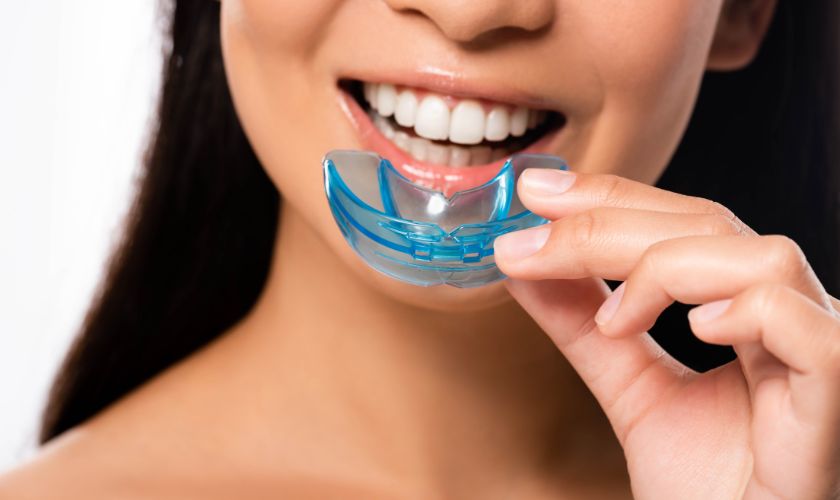


A misaligned jaw can be a real challenge, affecting not just your smile but also your overall health. You’re not alone if you’ve been experiencing discomfort or issues like trouble chewing, speaking, or even breathing properly. This is the problem for many people. These issues can stem from everyday habits or even hereditary factors. Fortunately, natural solutions are available to help correct jaw misalignment without invasive treatments or devices. In this blog, we’ll explore effective, non-professional methods to improve your jaw alignment and get you back to feeling your best.
Natural Alternatives for Jaw Alignment: A Comprehensive Approach
A natural approach to fixing misalignment starts with some simple lifestyle adjustments and habits that can alleviate pressure on the jaw. Here are some strategies to consider:
Proper Posture
Proper posture isn’t just about standing tall. It’s about supporting your neck and jaw in a way that prevents stress on your muscles. Begin by paying attention to how you sit, particularly if you’re working at a desk for long periods.
Jaw Exercises
Like any other muscle in the body, your jaw can benefit from exercise. Jaw exercises, such as opening and closing your mouth slowly or stretching the jaw from side to side, can help increase flexibility and reduce tension. Try this simple stretch:
- Place your thumb under your chin.
- Gently push down while opening your mouth.
- Hold for a few seconds, then relax.
- Perform this exercise several times a day to help strengthen and stretch your jaw muscles.
Sleep Position
Maintaining a neutral head position, where your chin is not tilted too far up or down, can significantly reduce pressure on the jaw. Avoid slouching, and keep your head balanced directly over your spine. Regularly stretching your neck and shoulder muscles can also relieve tension.
Mindful Eating
Be mindful of your chewing habits. Try not to chew on just one side all the time, and avoid tough or chewy foods that might put extra strain on your jaw.
Stress Reduction Techniques
Reducing the tension that builds up in your body can significantly benefit your jaw. Incorporating stress-relieving practices such as yoga, deep breathing, or progressive muscle relaxation can help prevent jaw clenching. Try to catch yourself when clenching your jaw, especially during stressful moments, and consciously relax it.
By incorporating these natural methods into your daily routine, you can support your jaw’s natural alignment without relying on any professional intervention.
Understanding the Impact of Misalignment
When your jaw is misaligned, it can lead to a variety of uncomfortable symptoms and conditions. These might include:
Difficulty in Speaking or Eating
A misaligned jaw can make it hard to speak clearly or chew effectively. This often results in frustration, particularly in social settings or when trying to enjoy meals.
Headaches and Neck Pain
Jaw misalignment often leads to tension in the neck and head, causing frequent headaches and even pain in the upper back. Over time, this discomfort can become chronic if left unaddressed.
Teeth Grinding
In many cases, an off-center jaw can cause individuals to grind their teeth, especially during sleep. Teeth grinding not only affects your dental health but also increases stress on your jaw, leading to more misalignment.
Breathing Difficulties
Misalignment can sometimes affect your airways, leading to snoring or difficulty breathing, particularly at night. Addressing jaw issues early can reduce these uncomfortable symptoms.
Prioritize Your Jaw Health for a Better Smile
When dealing with misalignment, there are simple, natural steps you can take to make a real difference. By focusing on posture, jaw exercises, and stress management, you can gradually improve your alignment and feel better in your daily life. It’s essential to take these proactive measures and work towards a healthier, more comfortable smile. If you’re ready to improve your jaw’s health, City Dental is here to help guide you on your journey to a better smile. Contact us today to book a consultation with us and start your path to a more comfortable, confident you!
FAQs
1. Can stress affect my jaw alignment?
Yes, stress can lead to clenching and grinding, which puts pressure on your jaw and can worsen misalignment. Practicing relaxation techniques can help reduce this strain.
2. How can I tell if I have a misaligned jaw?
Symptoms of a misaligned jaw include difficulty chewing, persistent headaches, jaw pain, clicking or popping sounds when opening the mouth, and neck discomfort.
3. Is sleeping position important for jaw health?
Yes, your sleep position can impact jaw alignment. Sleeping on your back with a proper pillow support can prevent additional strain on your jaw during the night.
4. Can exercise help with jaw misalignment?
Gentle jaw exercises can improve flexibility and strengthen the muscles around the jaw. Over time, these exercises help reduce tension and improve overall alignment.
5. What are the best practices for relieving jaw tension?
Relaxation techniques like deep breathing, yoga, and gentle massages can reduce jaw tension. Avoiding hard or chewy foods and taking breaks from clenching can also help.