

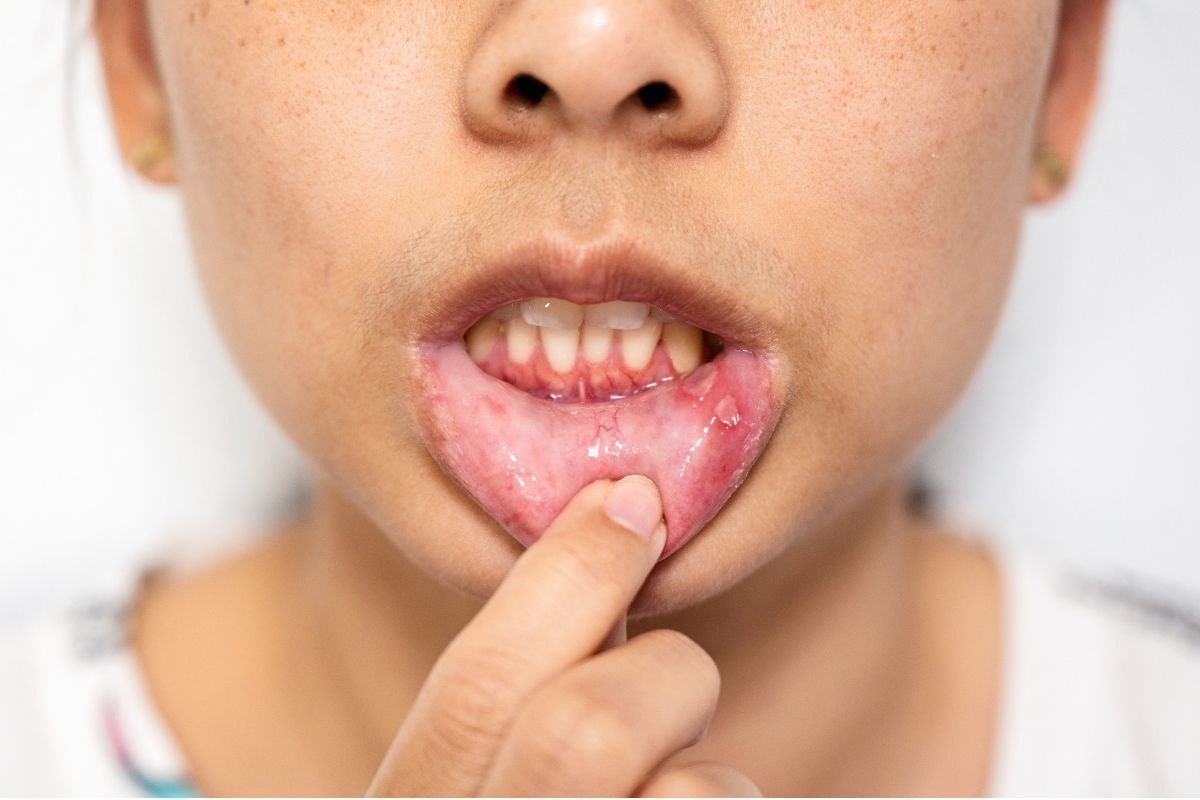
Canker sores, also known as aphthous ulcers, are painful lesions that can develop inside your mouth – often on the tongue, inner cheeks, or gums. Anyone who has experienced a sore knows how irritating they can be, especially when eating, drinking, or speaking. The good news is that most canker sores heal on their own, but knowing how long that takes and what you can do to speed recovery is essential.
Typical Healing Time for Canker Sores
Most canker sores usually heal within 7 to 14 days without leaving scars. Small sores often resolve faster, sometimes in just a week, while larger or more severe sores may take closer to two weeks. Persistent or unusually painful sores may require professional treatment.
If you develop a canker sore on the tongue, the irritation may feel worse because of the constant movement while chewing and speaking. Although the healing time is still in the same range, it can seem more uncomfortable compared to sores inside the cheek or along the gums.
Common Canker Sore Causes
Canker sores are not contagious like cold sores, and their cause is often multifactorial. Some of the most common triggers include:
- Minor mouth injuries from dental appliances, biting the cheek, or sharp foods
- Stress or lack of sleep
- Hormonal changes
- Acidic or spicy foods that irritate the oral tissues
- Deficiencies in iron, folic acid, or vitamin B12
- Underlying health conditions, such as gastrointestinal disorders or autoimmune issues
Knowing these canker sore causes can help you identify your triggers and reduce the risk of recurring sores.
Canker Sore Treatment Options
Fortunately, there are several aphthous ulcer treatments and remedies that can help speed up healing and relieve discomfort. These may include:
- Topical gels or pastes: Protective coatings that prevent irritation while eating or drinking.
- Mouth rinses: Antimicrobial or corticosteroid rinses may be prescribed to reduce inflammation and promote healing.
- Pain relief medications: Over-the-counter pain relievers such as ibuprofen or acetaminophen may ease soreness.
- Laser therapy: In dental offices, soft tissue lasers are used to promote faster healing and reduce pain.
Home Remedies for Canker Sores
Many people prefer natural care when treating minor sores. Some effective home remedies for canker sores include:
- Rinse with saltwater or a baking soda solution to neutralize acids and promote a clean environment.
- Applying milk of magnesia directly to the sore for coating and pain relief.
- Using honey, which has natural antibacterial and soothing properties.
- Avoid spicy, acidic, or sharp foods that may further irritate the sore.
- Keeping hydrated and maintaining good oral hygiene.
While these remedies often help, persistent or large sores may still need professional evaluation.
When to See a Dentist
Although most canker sores are harmless and resolve on their own, you should contact our dental practice if:
- The sore lasts longer than three weeks
- It is unusually large or spreading
- You experience severe pain that is not relieved by medication
- You frequently develop multiple sores at once
- You have unexplained fever, fatigue, or swollen lymph nodes
In these cases, professional care can rule out other conditions and provide stronger treatments.
Final Thoughts
Most canker sores heal on their own within two weeks, but that doesn’t mean you have to suffer in silence. By understanding common canker sore causes, using proper treatments, and trying home remedies, you can reduce the discomfort and speed up healing. If your sores are persistent or unusually painful, seeking professional help is the best way to find long-term relief.
FAQs
- How long does it take a canker sore to heal?
Minor sores typically heal in 1–2 weeks, while major sores may take several weeks. - What is the fastest canker sore treatment?
Prescription corticosteroid ointments or mouth rinses prescribed by a dentist often speed healing. - Can a canker sore on the tongue last longer than one on the cheek?
Yes, tongue sores are more irritated by eating and talking, so they can take longer to heal. - What foods should I avoid with a canker sore?
Avoid acidic, spicy, salty, and rough-textured foods that worsen pain. - Can diet affect canker sores?
Yes, acidic, spicy, or sharp foods can trigger or worsen sores in sensitive people. - Do aphthous ulcer treatments work for all types of sores?
Most treatments work well for mild to moderate sores, but severe or recurring ones may need prescription care.