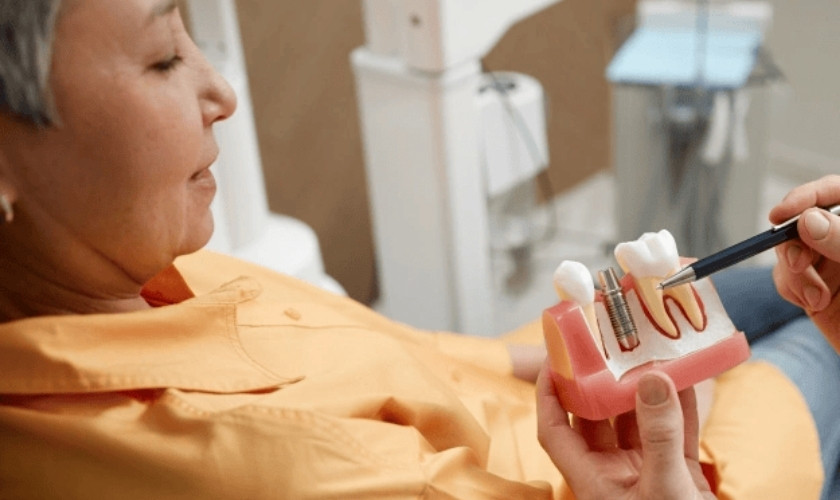

Dental implants have come a long way since their early days. What was once a complex and lengthy procedure is now more precise, comfortable, and successful than ever before. With advancements in technology and techniques, dental implant patients can now expect quicker recoveries, improved comfort, and long-lasting results.
Whether you’re considering your first implant or are simply curious about the newest innovations, this article highlights what’s new in dental implantology – and how it can benefit your smile.
1. 3D Imaging and Digital Planning
One of the most groundbreaking innovations in recent years is the use of 3D imaging and computer-guided surgery. Traditional X-rays have been replaced or supplemented by CBCT (Cone Beam Computed Tomography) scans, which offer a detailed 3D view of the jawbone and surrounding structures.
These high-resolution images allow dental professionals to plan the implant placement with extreme precision, minimizing risks and improving outcomes. This means fewer surprises during surgery and a higher success rate.
With digital planning software, a Portland dentist can simulate the entire procedure beforehand, ensuring ideal placement, angulation, and depth – key factors in a successful implant.
2. Immediate Load Implants
In the past, dental implants required several months of healing before a crown or bridge could be placed. But now, immediate load implants (also known as “teeth in a day”) allow for quicker restoration.
This technique enables patients to walk out of the dental office with a temporary tooth on the same day as the implant placement. Though the final restoration is placed later, the temporary one offers immediate cosmetic and functional benefits.
This innovation is especially useful for front teeth, where aesthetics are critical. It’s transforming the way patients experience implant dentistry – saving time and improving confidence.
3. Mini Dental Implants
For patients who don’t have sufficient bone density or want a less invasive option, mini dental implants are now a viable alternative. These implants are about half the size of traditional ones and can often be placed in a single appointment with minimal surgery.
Though not suitable for every case, they’re particularly helpful in stabilizing dentures or replacing smaller teeth. They’re also more affordable, making implant solutions more accessible to a wider range of patients.
4. Enhanced Implant Materials
Traditionally, most dental implants have been made of titanium due to its biocompatibility and strength. However, zirconia implants have recently emerged as a metal-free alternative.
Zirconia is ceramic-based and is especially useful for patients with metal allergies or sensitivities. It’s also white, which offers a more natural look under the gum line, especially for front teeth.
Additionally, new surface treatments on both titanium and zirconia implants promote faster osseointegration – the process where the implant fuses with the jawbone – reducing healing time and increasing long-term stability.
5. Robotic and AI-Assisted Implant Placement
The rise of robotic and AI-assisted technologies is making implant surgery more accurate than ever before. AI software helps dentists analyze scans, predict outcomes, and develop personalized treatment plans.
Some systems even guide the dentist’s hand during surgery, ensuring precise movements that reduce trauma and speed up recovery. This is particularly helpful in complex cases or when placing multiple implants.
With fewer complications and better alignment, patients enjoy more reliable and consistent outcomes.
6. Bone Regeneration and Growth Factors
Previously, patients with significant bone loss often had limited options. But now, thanks to bone regeneration techniques and growth factor therapy, more people can qualify for implants.
Techniques like bone grafting, sinus lifts, and the use of platelet-rich fibrin (PRF) or bone morphogenetic proteins (BMPs) help regenerate lost bone. These biologically active materials speed healing and improve the integration of implants into the jaw.
This means fewer patients are being turned away due to bone volume issues – a game-changer for long-time denture wearers or those with jaw trauma.
7. Smart Implants and Sensor Technology
One of the most exciting frontiers in implant dentistry is the development of smart implants. These devices are embedded with micro-sensors that can monitor conditions like bite force, implant stability, and healing progress.
Though still in the early stages of use, this technology could soon help dentists detect problems like infection or bone loss before symptoms even appear. It’s a major step toward proactive, data-driven dental care.
8. Faster Recovery After Implant Surgery
Thanks to minimally invasive techniques, improved materials, and advanced tools, recovery times have dramatically shortened. Patients often experience less pain, swelling, and downtime than ever before.
Following a few simple post-op guidelines, such as avoiding hard foods and maintaining excellent oral hygiene, patients can typically return to normal activities within a few days after implant surgery.
In some cases, the use of laser therapy or anti-inflammatory medications can further accelerate healing and reduce discomfort.
9. All-on-4 and Full Arch Solutions
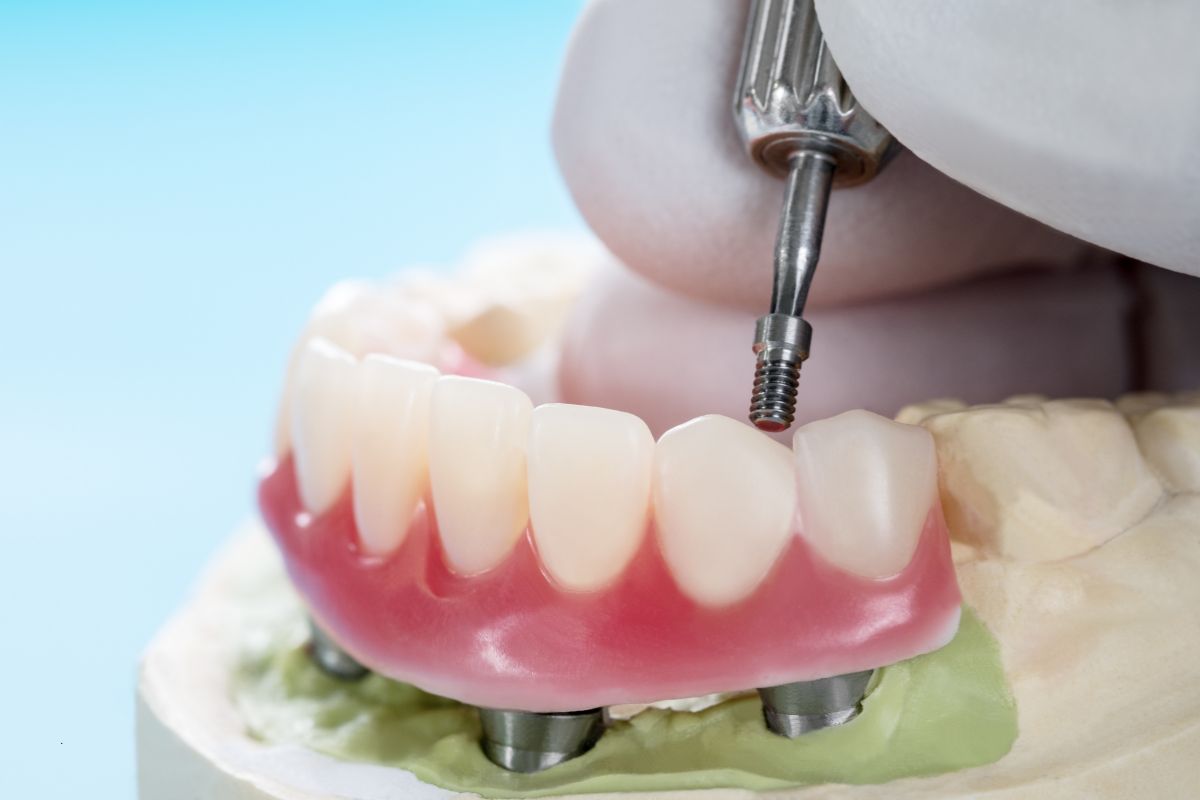
For patients missing multiple teeth or requiring complete restoration, the All-on-4 concept remains a revolutionary solution. Using just four implants, an entire arch of teeth can be supported—either upper, lower, or both.
Recent refinements in implant angulation, material strength, and design have made this solution even more successful and comfortable. Patients who once relied on removable dentures now enjoy a full, fixed set of teeth that look and feel natural.
10. Personalized Care and Aesthetic Planning
Today’s implant dentistry isn’t just about function – it’s about custom aesthetics. Digital smile design software now allows dentists to show patients what their final smile will look like before the procedure begins.
Color, shape, alignment, and gum contour can all be customized for a natural, symmetrical appearance. The ability to preview results has improved patient satisfaction and outcomes dramatically.
A reputable dental implant Portland provider will combine technology, artistry, and precision to deliver long-lasting and beautiful results.
Final Thoughts
Dental implant innovation is evolving at a rapid pace. From digital planning and smart sensors to faster healing and full-arch solutions, today’s options are more effective, accessible, and aesthetically pleasing than ever.
If you’re considering implants, it’s essential to choose a provider who stays updated with these advancements. Not only does it ensure better results – it guarantees a smoother, safer, and more comfortable experience.
FAQs
1. How long do dental implants last?
Dental implants can last 15 years or more – often a lifetime – with proper care. Regular dental checkups and good oral hygiene are key.
2. Is the implant procedure painful?
Most patients report minimal discomfort during and after the procedure. Local anesthesia and sedation are typically used to ensure a pain-free experience.
3. Can I eat normally after getting implants?
Yes, but it’s best to stick to soft foods for a few days after the procedure. Once healed, implants function like natural teeth.
4. What is the success rate of dental implants?
Dental implants have a success rate of over 95%, especially when placed by experienced professionals using modern techniques.
5. Who is a candidate for dental implants?
Most adults in good health with sufficient bone structure are candidates. Even if you’ve been told otherwise in the past, new bone regeneration methods may make implants possible today.