


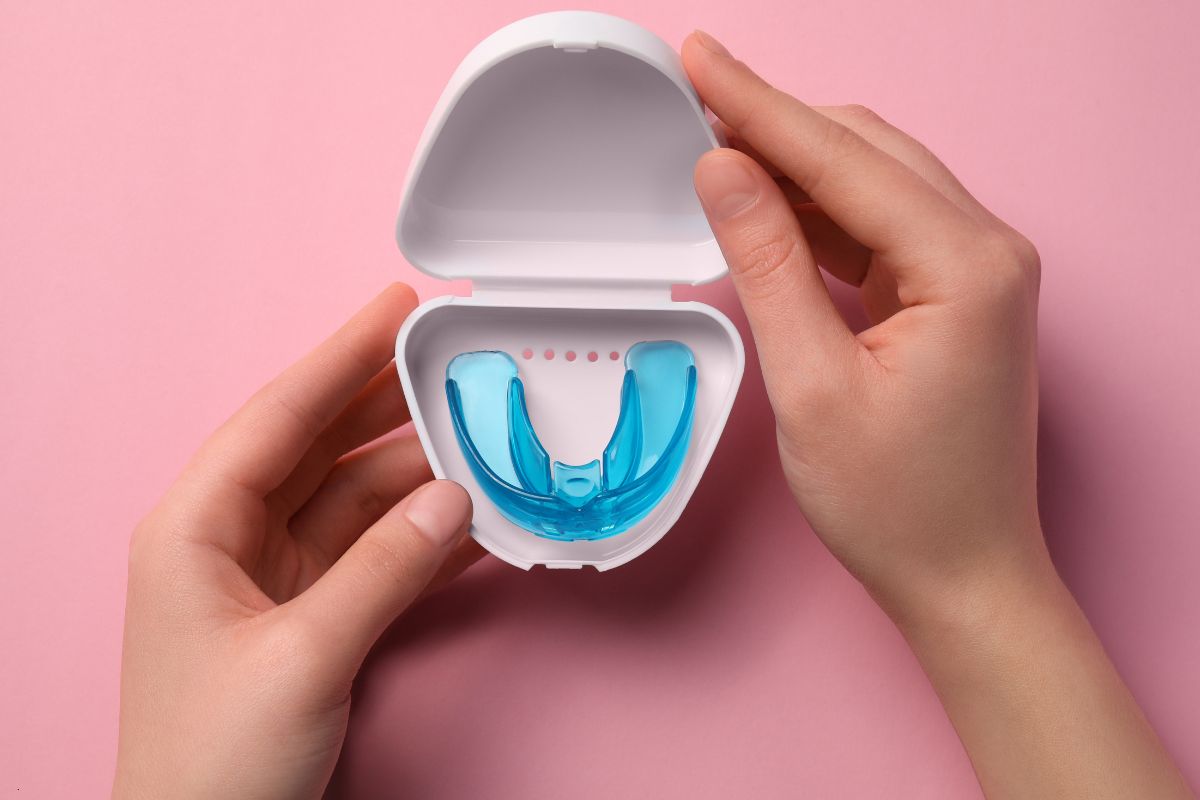
Your mouth guard is your trusty dental defender, protecting your teeth from nighttime grinding or sports-related injuries. But like any piece of equipment, mouth guards have a lifespan. Ignoring the signs that it’s time for a replacement can compromise its effectiveness and even put your oral health at risk. So, how do you know when your mouth guard throws in the towel? Let’s explore the telltale signs you need a new one.
Visible Wear and Tear:
Regular use takes a toll on your mouth guard. Look for:
- Cracks or Tears: These openings expose your teeth to potential damage.
- Flattening or Thinning: A compromised shape reduces protection and may cause discomfort.
- Loss of Shape: A warped or misshapen guard won’t fit snugly, hindering its effectiveness.
Reduced Comfort and Fit:
Your mouth guard should feel comfortable and secure. If you experience:
- Looseness: A loose guard won’t stay in place, limiting protection.
- Discomfort or Irritation: A worn-out guard can rub against your gums or cheeks, irritating.
- Difficulty Speaking or Breathing: A misshapen guard can impede speech and breathing.
Changes in Your Oral Health:
If you notice:
- Increased Teeth Grinding: A damaged guard might not adequately cushion grinding, leading to worsened symptoms.
- Jaw Pain: A poorly fitting guard can contribute to jaw soreness or discomfort.
- Chipped or Cracked Teeth: This could indicate your mouth guard isn’t providing enough protection during grinding or sports.
Time for Retirement:
Even without visible signs of wear, your mouth guard has a limited lifespan. Most dentists recommend replacing yours:
- Every 6-12 months: This ensures optimal protection, especially for athletes or those who grind heavily.
- After a significant illness, Germs can linger on your mouth guard, so replace it after recovering.
- After Significant Weight Loss or Gain: Changes in mouth shape can affect the fit.
FAQs
Q: Can I repair a cracked or torn mouth guard?
A: Generally not. Repairs might compromise the fit and protection. A new mouth guard is the safest option.
Q: How should I dispose of my old mouth guard?
A: Wrap it in tissue and discard it in the trash. Don’t recycle it.
Q: What are the different types of mouthguards?
A: There are custom-fitted mouth guards made by dentists and boil-and-bite mouth guards available over-the-counter. Consult with our dentists for the best option for you.
Conclusion:
Don’t wait for a dental emergency to replace your mouth guard. By being attentive to the signs and following recommended replacement schedules, you ensure your dental investment continues to safeguard your smile.